

Our Voices, Our Stories
Where the voices, journeys, and projects of the NPY Women’s Council come alive. Here we share perspectives from across our communities; the wins, challenges, and everyday moments that shape our collective story.
Stories
We were controversial and challenging
Have we stopped domestic & family violence in remote communities? No. But we have made women much safer.
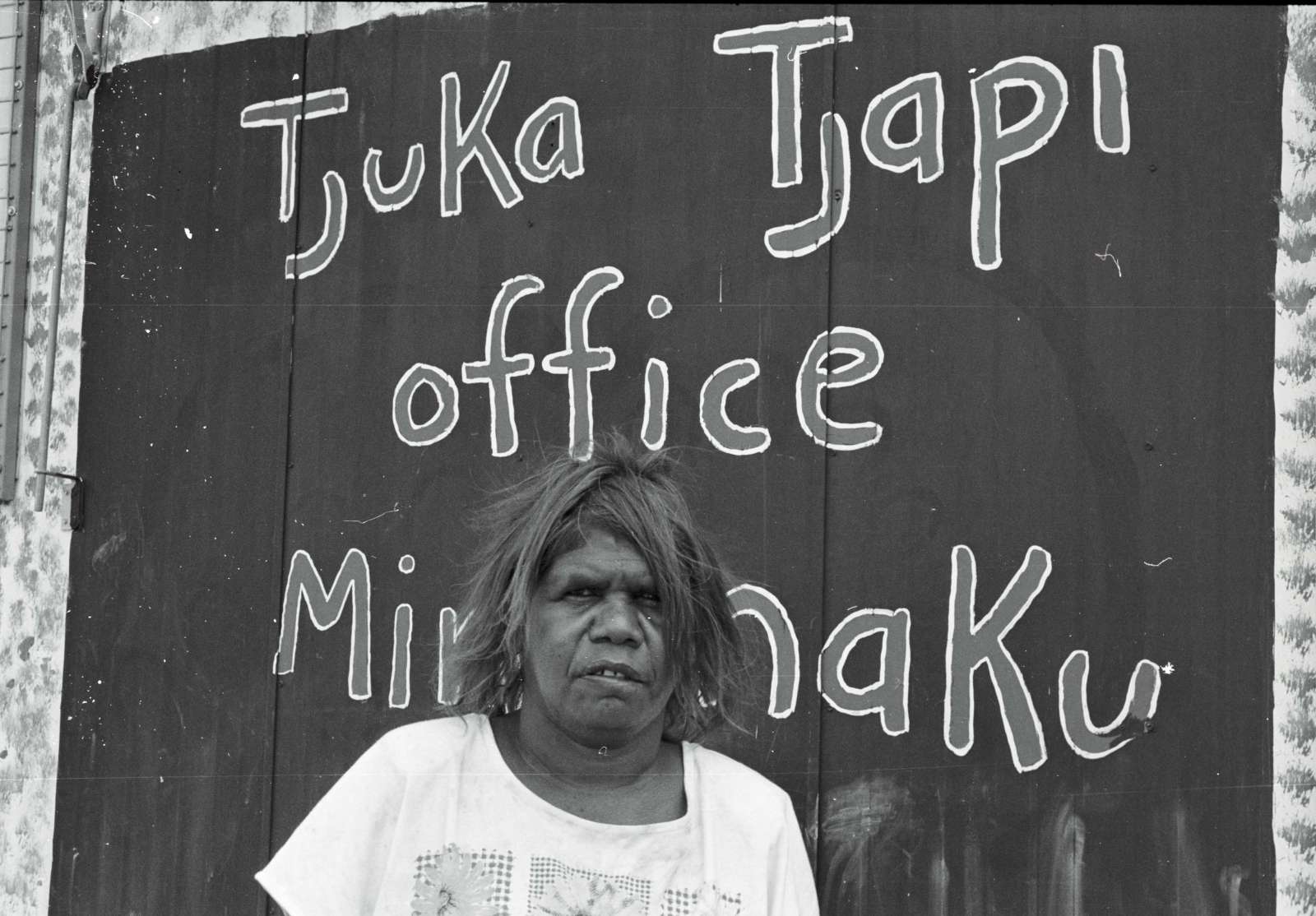
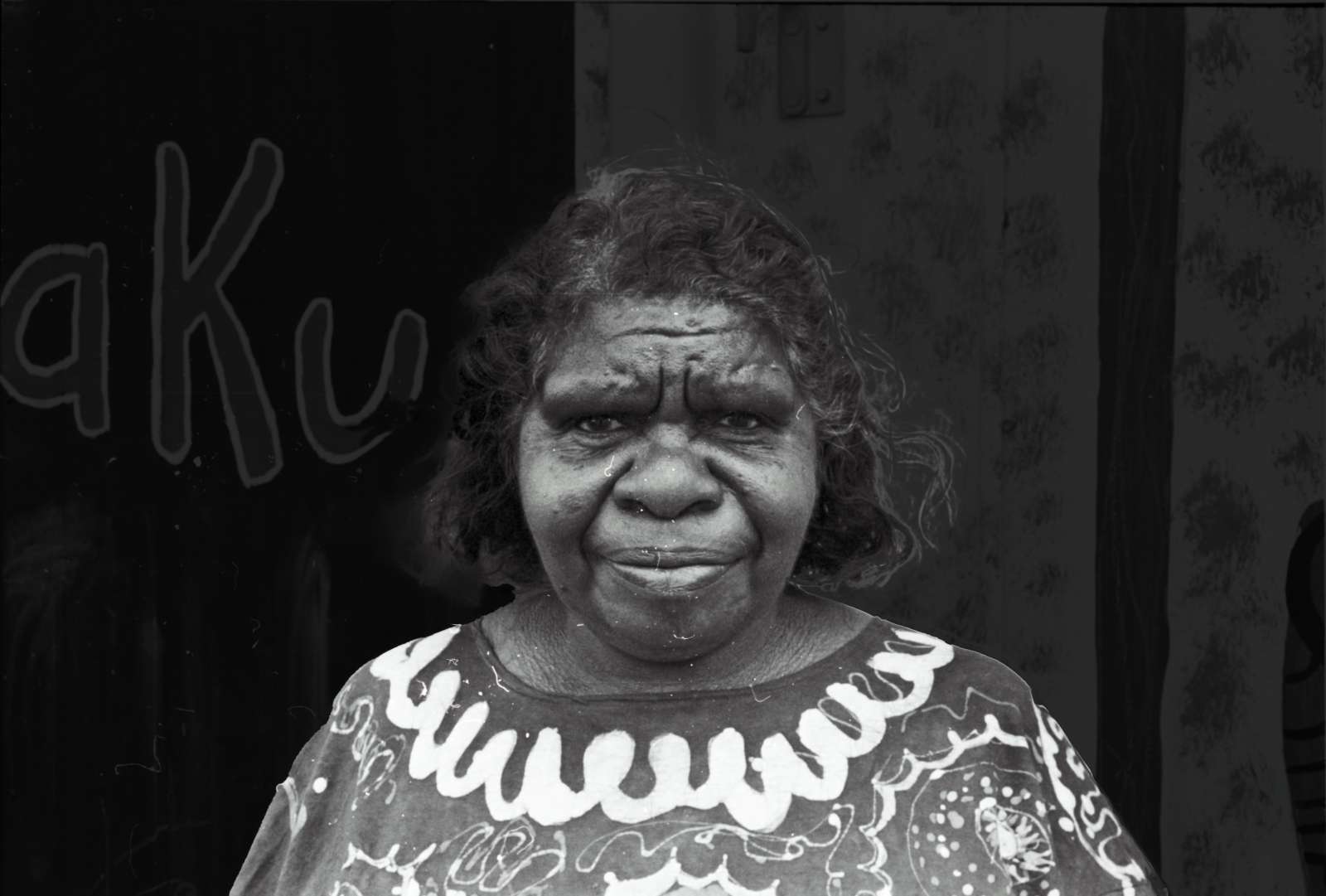
Kunbry Peipai (pictured) sat alongside staff and listened to women talking about domestic violence at early NPYWC meetings. The women were upset about police response to violence and the small jail sentences for offenders. Kunbry became a key founder and driver of the Domestic & Family Violence Service in the early years…
In 1993 several women went to a Domestic Violence Conference in Sydney, inspired and knowing they needed to do something in their own community. A a pilot program was first set up in Mutitjulu. The goal was to give women greater protection from violence…

Many senior women in Mutitjulu were very supportive of the new service. What they were doing at the time was controversial and challenging. They encountered a lot of resistance from both Aboriginal and non-Aboriginal men.
At the time, police did not believe Anangu women wanted to face the court system. The new service offered women support and confidence through the system. The Service and the police also worked together to improving how the criminal justice system responded to Anangu women in the region.
The service importantly gave voice and awareness to conversations on domestic and family violence in remote communities.

The Domestic & Family Violence Service now works across the region, conducting casework, taking referrals, providing legal advice and education.
Women’s groups across the region gather together and share ideas about:
- how violence occurs in the community and how it is being challenged;
- the importance of culture to people in the community;
- about trauma and healing;
- about narrative approaches to working with communities’ own efforts to resist and challenge violence;
- ways to grow community resilience.
Find out more about the NPYWC Domestic & Family Violence Service
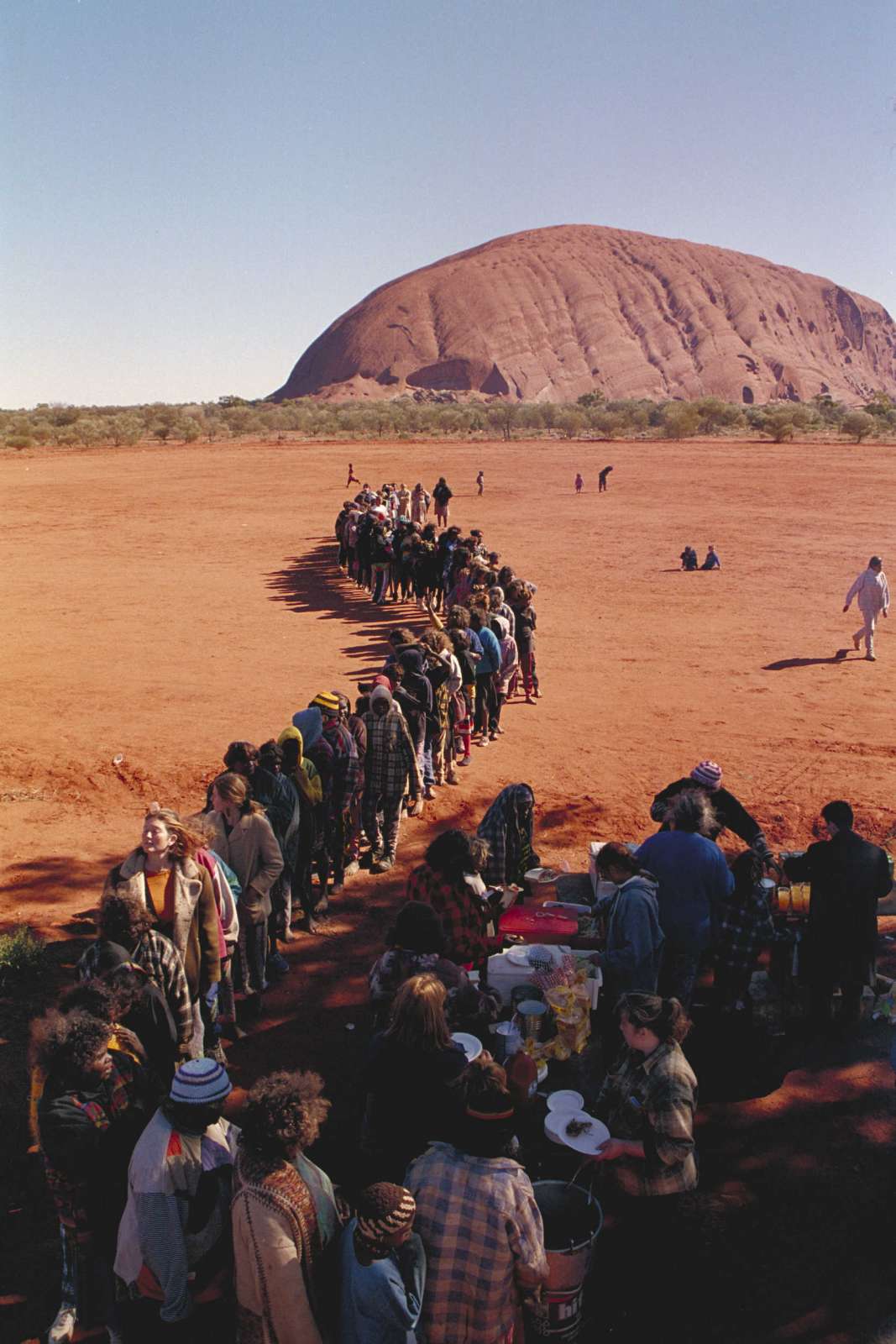
The child nutrition team began in 1996 with the mandate of teaching young mothers how to cook…why then did the team begin running a massive career conference? At the time, new research indicated that even 1 extra year of schooling for young women, had a 3 fold effect on the health outcomes of their children. This, and seeing there were no big events for young women in communities …an idea was born to create an event that would encourage girls to stay in school and look at careers opportunities for themselves.
The first conference was really nerve wracking, we were never sure if anyone was going to show up…but in the evening before the conference dust heralded bus and car loads of young women arriving. 250 eager young women arrived.
Kungka Career Conference recruited high profile successful Aboriginal women to tell their story and share their skills. Some were successful health workers and some were Aboriginal leaders like Christine Anu and Evonne Goolagong.

Senior women attended the camps for authority and to support the young women, some of whom were inspired to continue their support of young people by becoming teachers and mentors.

Over 12 Kungka Career Conferences have been run and we can now look back and see how many of these young women have grown into community leaders and some taking flight with successful careers.
The bureaucrats seemed really devastated...some of them were crying
SETTING UP AUSTRALIA’S FIRST ABORIGINAL DISABILITY SERVICE
At the time (1993), I think only one Anangu was registered as disabled. It was my job to travel out bush to find out who had a disability and what was needed.
I was a bit shocked even though everyone looked happy. They’d say, come and see this, and they would show me people with serious disabilities. That is when Elsie Wanatjura (pictured) jumped on board. She clearly thought that I would get lost and perish in the desert. She jumped on and from then, everywhere I went, she went with me.
People were living in poverty with extremely bad disability support equipment. One man used to walk around with his prosthetic leg under his arm because it didn’t fit anymore. Wheel chairs were not made for the desert and were pretty unusable. People were really in need of some basic things like proper beds.
We saw how hard carers were working, manually lifting people everywhere. Carers were hand washing blankets due to incontinence, they just needed some support.
Elsie and the women were pivotal in getting funding. They invited different government departments from Canberra to the lands. After a really tedious funding meeting Nura Ward all of a sudden got up and said “Everybody come with me.”
She got everybody in the cars and took them to see her mother who was living in what she called the chook shed out the back of a house. Nura stood there and did a massive rave about why was her mother living like this, being pushed around in a wheelbarrow by her family. She went all over Ernabella showing various people in some pretty shocking circumstances – just the poverty – and by the end of it a lot of those bureaucrats, they seemed really devastated. Some of them were crying.
Nura said it was painful for them to do because they were shamed by it, but they made a point of doing it. They said they had never done that before.
Taken from a conversation with Angela Lynch & Elsie Wanatjura
Powerful ideas to create relevant schools
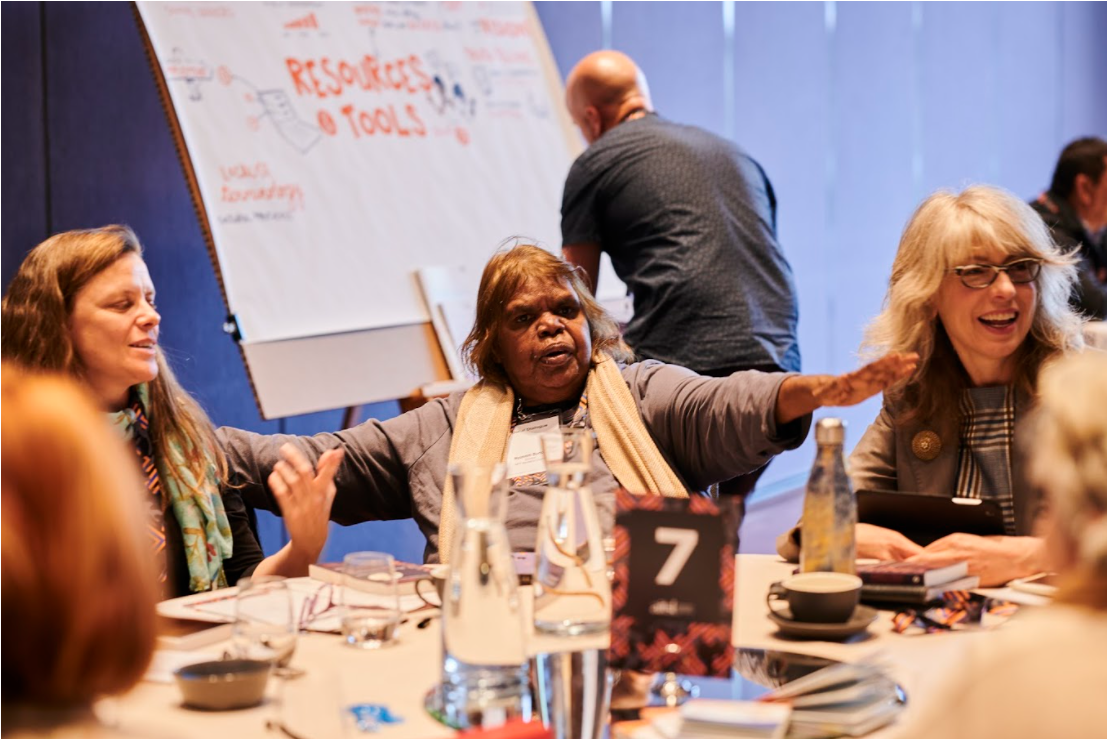
NPYWC Directors Nyunmiti Burton, Rene Kulitja & Maureen Baker have all worked within the education system, Nyunmiti is a qualified teacher. The Directors have a very clear idea on important initiatives to increase Anangu engagement with the school system.
The National Dialogue 21 Conference, presented by the Australian Institute for Teaching & School Leadership (ATSL) – was designed to set out standards to improve Indigenous cultural competency in the Australian teaching workforce. Hear what our Directors had to say:

Maureen, Rene, Christine & Nyunmiti at the National Dialogue 21 Conference
Anangu Teachers
Anangu need to be given the chance to lead the classroom. It is not enough to have Anangu in support roles. Anangu teachers are a vital piece of the puzzle in supporting students across language and cultural barriers, understanding the strengths and capacities of individual children. They stand as respected and known members of the child’s community. They know, and can teach bilingual learning.
Curriculum and learning styles
Curriculum needs to be contextually relevant. Providing opportunity for children and young people to learn on country and in the classroom. “Our kids need to learn in their first language and then in English. Then they will be good in Pitjantjatjara and English. Then they can live well in both worlds”, Nyunmiti Burton.
Community Engagement
Key community members want to influence the recruitment and appraisal of key staff such as principals and teachers. They can also care for and educate teachers in the ways of Anangu culture, history and respectful ways to connect with the community, which have a direct benefit for the children and young people.
“Our old people already paved the way forward. When we support Anangu children and young people, everyone benefits”. Rene Kulitja.
Images: courtesy of Australian Institute for Teaching and School Leadership

Ending violence from the ground up
Ending violence in the community will occur when it is supported and championed by an individual and/or group who will act to lead the change. These are community advocates who are interspersed in the community itself. They are from the community and are positioned as leaders. There must be specific strategies aimed at building their capacity, confidence and skills to influence the hearts and minds of the community.’
Strengthening Community Capacity to End Violence Framework (2018)<1>:
The NPYWC Domestic & Family Violence Service (DFVS) Women’s Advisory Group has met throughout 2021 in communities across the NPY Lands. The group includes DFVS workers, Anangu women and DV practitioners working together to deepen their knowledge on DV issues such as trauma and safe ways to work with women experiencing DV. The group shares stories of strength and explore how communities are showing resistance to violence.

The group will work alongside the DFVS advising on strategies and the best ways to work with women experiencing DV. Their input will offer the best chance for developing effective responses and pathways.
We are all women here… getting stronger – WAG member
Deep understanding grows big support
Since 1993 NPY Women’s Council has been working on the ground to support & advocate for the aged and people with disability in remote communities.
This deep understanding of local issues and needs has seen NPYWC’s Tjungu – Aged & Disability Service as a trusted place to seek support, care, respite and services.
NPY Women’s Council has worked with the National Disability Insurance Scheme (NDIS) for 8 years to advocate for the needs of people with disability and their families in remote communities.
Language barriers, a lack of services on the ground and transient living situations may mean that remote communities need a different model of support for accessing basic care available in urban centres.
Through our Support Coordination service, NPYWC is able to provide greater choice and control for remote clients who now have a lot more say on how and where they receive support such as:
– Respite
– Transport
– Allied Health services
– Participating in community activities

NPYWC’s understanding of the region and issues experienced by older people have led them to become subcontracted to provide home support assessments in our remote APY & NT communities and to people in Alice Springs.
These assessments are aimed at providing the supports needed to assist older people to live in their own homes for as long as possible with help as required for things like meals, shopping and keeping their houses and yards clean.
The Alice Springs service provides an additional income stream for NPYWC while providing expertise and much needed services on the ground.
Ending confusion for remote families
In April, NPYWC held a meeting bringing together the Senior Executives of the Child Protection Services in WA, NT and SA. Senior Anangu Women raised their concerns about the challenges of having to navigate three different child protection systems. The meeting was a positive first step in developing a cross border Child Protection Framework, ensuring the unique needs of Anangu children and families are recognised and responded to in the child protection system.
“People talk to us too much and sometimes what they say doesn’t make sense. We’ve got things to say too, they need to listen to us, to take turns, and to use interpreters so that everyone understands.”
(APY community member)
Find out more about the NPYWC Child & Family Well-being Service
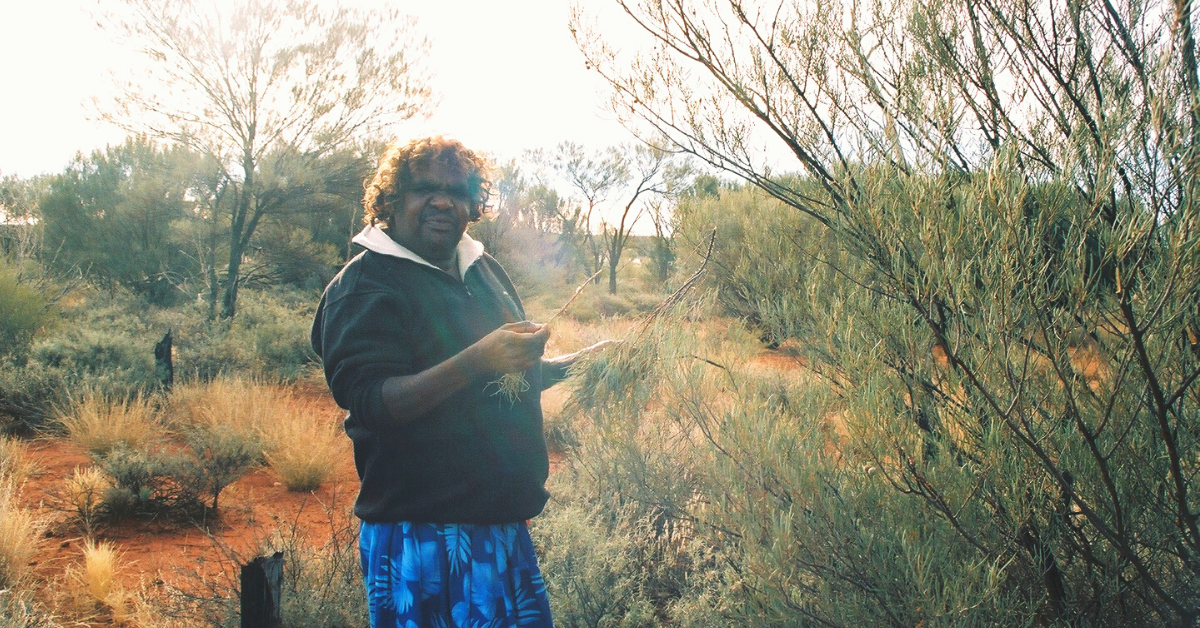
For over 20 years Linda has worked as an Aged & Disability Worker in the remote deserts of WA. Linda has also been a carer for her husband and daughter Janine, born with a disability. Read more to find out about Linda’s story, her 2 week walk to school and the 3 things she describes as important for people working with Anangu in remote communities to know.
I grew up in Warakurna with my family. When I was a bit older we moved to Warburton so we could go school and get an education. At the time Warakurna didn’t really have a school. It took us two weeks walking to Warburton from Warakurna – we hunted and slept along the way. When I had finished my schooling, my family and I moved back to Warakurna.
Back in Warakurna, I met my husband and helped grow up my sister’s children. Later my husband and I moved to Wingellina and I grew up my daughter, Janine.
In Wingellina I worked as a health worker with Nyaanyatjarra Health Service for nearly 20 years. We travelled and worked with other communities nearby: Blackstone, Jameson, Warakurna. After that I worked in the store.

One day I went to a NPY Women’s Council meeting near Kalka. I had not heard of NPY Women’s Council. I was listening to what they were saying. A friend of mine had started to work for NPYWC and a lady, JC asked me “Do you want to work for Women’s Council?” and I said “yes”.
One of the NPYWC Director’s, Nancy Young told me “That’s good you working for Women’s Council.”
It’s now today 2021 and I am still doing that work!
In my work I take old people and people with disabilities for bush dinners, I help clean their room – mopping and all that, I help them with their accessibility needs and I translate for people.
Sometimes Anangu don’t understand what the doctors are saying to them, I help them understand. I also help people with a disability or old people connect with health workers and services.
The best part of my job is seeing all the clients in Warakurna, Warburton, Blackstone, Jamieson, Wanarn and helping them out. I tell staff what the clients need.
A Funny Story
One day we were driving back to Wingellina from Amata and I said to JC “Oh you see that woman on the side of the road, standing there, and she was waving to us, you didn’t see, but I seen it”. We stopped nearby to make kangaroo tail for lunch and M said “we have to go back to get that lady, she still there waiting, we got to pick her up – poor lady”. So JC and M went back down the road to pick up the waving lady. They drove around but in the end they realised what I thought was a waving lady was really just a tree that looked like a woman.
Three important things to know when you work out bush
Nintitjaku – to learn
Malpa – friend
Purkara Purkara – go slowly

Read more about the NPYWC Tjungu Aged & Disability Service here

Anangu understandings give better support for women experiencing sexual assault
“Here is a Ngaanyatjarra woman who has gone through many things in her life, violence, assault and sexual assault. She has many problems. She is just sitting there and thinking, “Who can I trust? Who can I trust to help me? To encourage me? Where can I go for guidance and encouragement to put me on the right path? So I can have hope in my life.” And after that, “How can I get healed, my whole life and be strong? So in the end I can be happy, have a good husband, have kids and a happy life. Forget all those other things that have happened behind.” Anangu Co-Researcher. Read about the Domestic & Family Violence Service’s new paper and how trust, language and relationships can help to heal and inform DFV practice.
The NPYWC Domestic & Family Violence Service’s (DFVS) new research paper “Exploring Anangu understandings to strengthen support for Anangu women experiencing sexual assault” asked:
- What are Anangu understandings of sexual assault and its effects?
- How do you talk about sexual assault with Anangu women in a safe way?
- What support do Anangu women need if they have experienced sexual assault?
Anangu and non-Aboriginal DFVS staff, a psychotherapist and senior Anangu women from NPYWC’s Uti Kulintjaku (clear thinking) initiative worked together to answer these questions and find the best way forward to support Anangu women who have experienced sexual assault.
We are feeling empowered by this process to explain that we need to slow down and think about this work more carefully and talk about it in the right way and this has been informed by the knowledge of these senior Uti Kulintjaku ladies… The Uti Kulintjaku team work in a very slow, careful way to really look at words and ideas and Anangu knowledge… To say things in the right way, carefully. We know we can stop and slow down, we have the knowledge.” Anangu co-researcher

This is about the knowledge growing from when the minyma, Uti Kulintjaku team and the DV team first got together. We have started to do something and this is coming through, coming in to the DV team. We talked about secret language that came up at this workshop, strong Tjukurpa that has been hidden and was shared by the Uti Kulintjaku ladies. It’s like the pretty flowers, it made me really happy. Thank you, I’m really happy that you are here and sharing this Tjukurpa. Now it’s really big, it’s like the pretty flowers. Anangu co-researcher
Here are some of the ideas discussed in the report:
Language & Culture
The importance of language and knowledge of culture and community were seen as central in supporting women who have experienced sexual assault. The need to work sensitively in small communities where many people are related to ensure trust and maintain confidentiality. Anangu women described the way of speaking “sideways” or kiti-kiti wangkanyi as the appropriate Anangu way of talking about sensitive issues to ensure that further hurt, distress, shame or offence is not caused.
Trust & Relationships
Trust and finding the right person for an Anangu woman to talk about her experience of sexual assault is important –a woman that she already has a loving and caring relationship with like a mother, grandmother or sister is an important support.
In our communities, domestic and family violence causes a lot of sadness and distress. This work [is strengthening our idea that when piranpa come and go from communities, they don’t hold the knowledge and history for a long time in the way that Anangu do. They don’t know the families and the relationships and all the information about what is happening in communities. So it is really important that when workers come from outside they need to have a malpa – an Anangu worker working alongside them and to listen to them

We got together to talk Anangu and piranpa, and then going back to the communities and talking with the young women, it can help. It’s in the communities, it’s happening, going out there to talk to them. Making them feel happy and good inside by sharing that story. So they can feel like a rainbow, special. What I think is that the learning and sharing is starting and helping to start talking like with the girls and the senior women together. We are strong women doing the work and the circles in the drawing are growing as we are getting stronger, feeling stronger to take it back out to the young women, each time we come together.
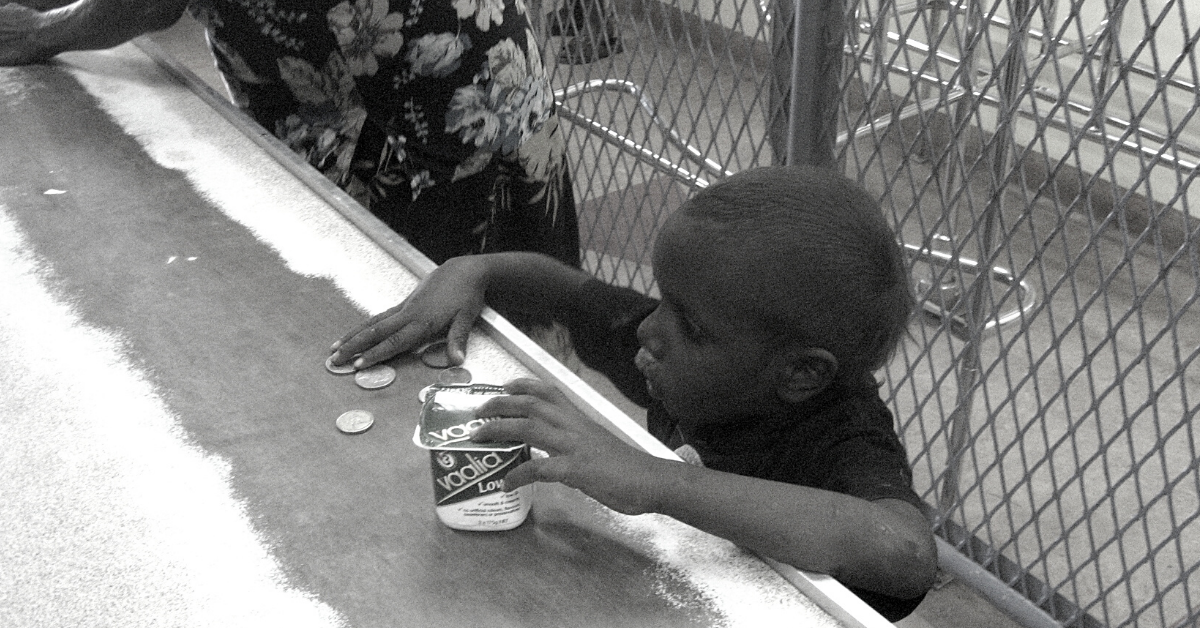
Anangu researchers give nutrition study real meaning
Anangu nutrition staff are preparing to head an important new study investigating food security in the APY lands. Their central role as co-researchers will grow greater community engagement, relevant interpretation and greater outcomes for community members. The research is a joint initiative between NPYWC, University of QLD & Menzies School of Health Research.
The aim of the research is to improve nutrition and food security in the APY region through an analysis of people’s buying habits and the development of culturally appropriate nutrition education and promotion resources.

The project hopes the research will lead to the following outcomes:
- evidence to inform policy and systems change, based on feedback from research looking at availability, affordability and accessibility of healthy foods in community stores
- Development of co-designed priority nutrition education and promotion activities for APY communities
- Increased engagement between NPYWC and Mai Wiru Regional Stores
- Community-relevant knowledge translation products
- Peer reviewed publications
Anangu Co-Researchers will undertake training in privacy and confidentiality, conducting surveys and understanding and interpreting data.
Find out more about NPYWC’s Child & Family Wellbeing Service
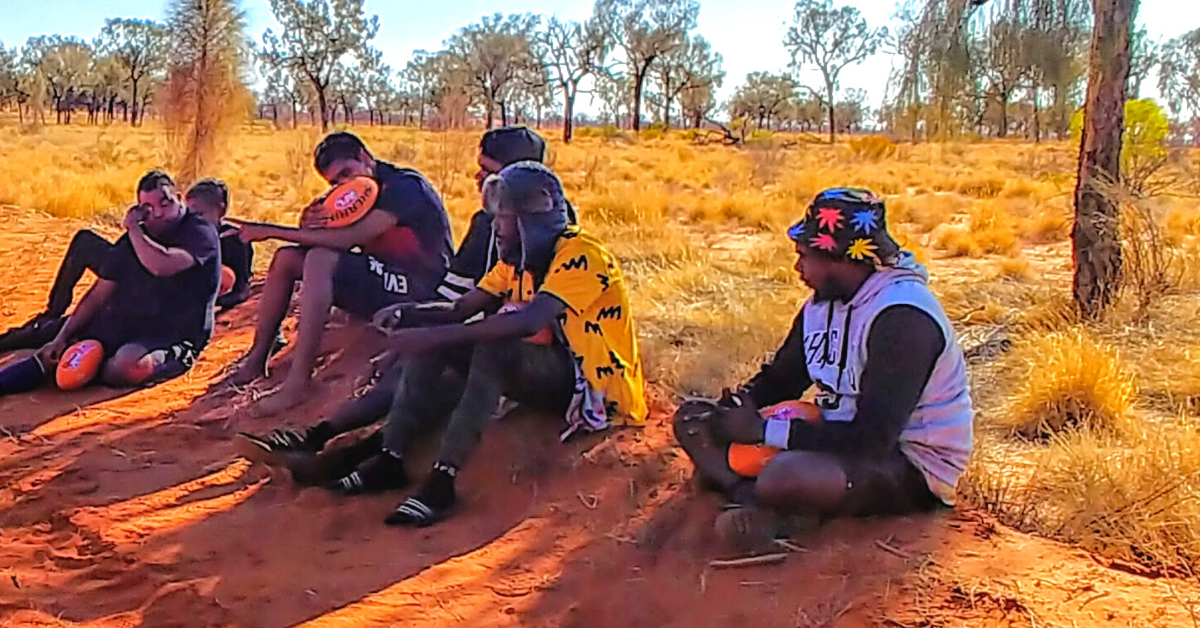
Youth Camps are in big demand from both young people and adults in remote communities. The camps connect people with land, culture and new skills. Recently, a young mans camp was run at a site near the Umutju road. This road was a major migration track for thousands of years across the Peterman Ranges running near important waterholes and sites.

Ranger Visit
The Mutitjulu Community Rangers are Anangu that work for Uluru-Kata Tjuta National Park. They carry out seasonal land and fire management activities, patch burning, fauna surveys and park facilities maintenance. The Rangers took the guys out to a special site that needed caring for. A nearby waterhole clogged by years of dirt was causing local animals to perish in great numbers. The guys worked hard at cleaning out the waterhole and were also taught how to burn buffel grass safely.
Dan the Underdog
Musician, Dan the Underdog spent the evenings with the guys working on some tracks– listen here to one of their recorded tracks. A beautiful love song! https://qrco.de/bbrJvb

The camps also included men’s health, AFL clinics with NT AFL & more!
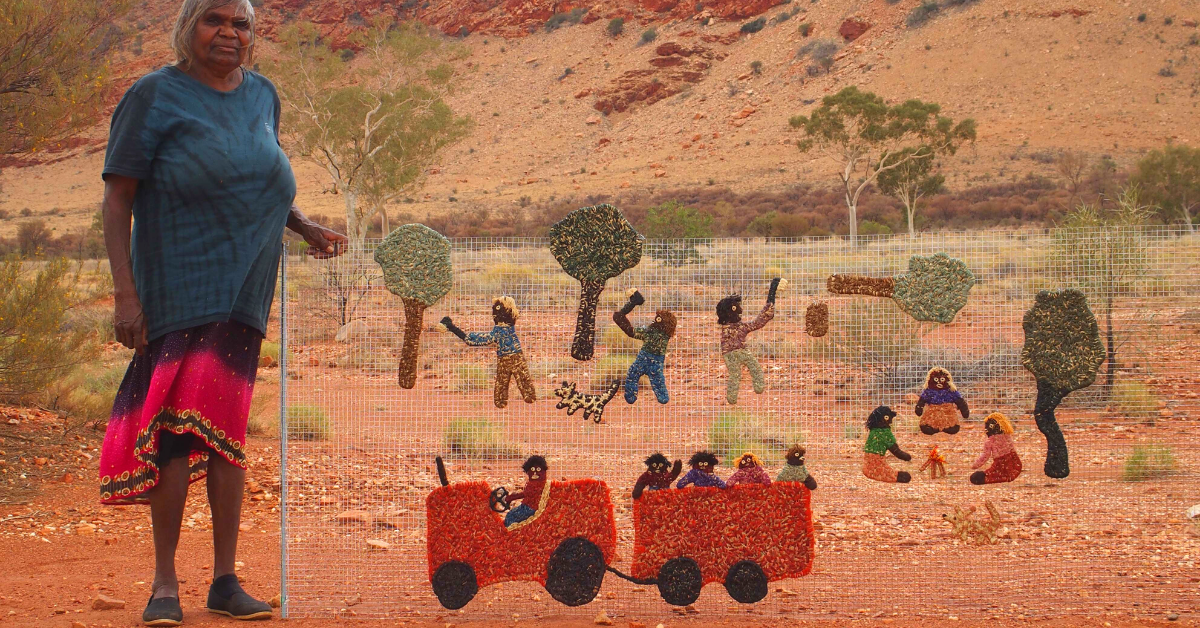
Making the road to Warburton - Judith Chambers
The “Making the Warakurna to Warburton road” story
There was only one road from Warakurna to Warburton and it was a big distance, going the long way around, passing through Blackstone. So there was a community talk, and people wanted a road running straight from Warakurna to Warburton, to make that trip shorter.
Lots of families from Warakurna and Warburton came to help make the road, men, women, children and dogs. My dad was one of those men. I was just a young girl. We started at Warburton. The men made the cutline, chopping down trees by hand with axes, and clearing grass. The women made the fire and prepared food and looked after the camp. While the adults worked we would have fun. There were lots of children and dogs running around playing together. A white man came and paid money for the work done. We all stayed out on the road until that road was finished.
Two brothers drove the tractor, taking it in turns. The tractor had a trailer which stored food, 44 gallon drums of diesel, and blankets. We would get lovely clean water from rockholes. Sometimes we would get in the trailer and play. Each day the men would clear a bit more of the road, and we would move on and camp somewhere else, getting closer and closer to Warakurna every day.

The Artwork
Judith was commissioned by the Art Gallery of Western Australia (AGWA) Stimulus Acquisition Package 2020 to tell this story as a tjanpi sculpture. Titled ‘Making the Warakurna to Warburton Road’ The sculpture was purchased by AGWA, and will be exhibited at the AGWA Covid 19 Stimulus Art Exhibition scheduled for early May 2021.

About Judith
Judith was born in the bush at Mitika, near Jameson Community and went to school at the Warburton Mission and later at Docker River. Judith now lives in the remote community of Warakurna, WA.
Judith is an accomplished weaver, making both baskets and fibre sculptures from desert grasses that grow close to her home. Judith is renowned for her flat sculptural works which tell stories of the Ngaanyatjarra Lands, both historical and contemporary; she also uses the animals from her country as inspiration, including camp dogs, birds, goannas, porcupines and rabbits. Ancestral figures also inspire her work, and Judith’s work is very fine and detailed. Judith also paints and is represented by Warakurna Artists.

Maimie Butler & Anawari Mitchell lead a special camp filled with culture & clear thinking
Maimie & Anawari drew on their work over the last 6 years with the Ngangkari program’s Uti Kulintjaku – Clear Thinking initiative to share their knowledge of emotional well-being with 28 women and girls at an important cultural site in WA.
For three nights, women and girls from Papulankutja, Irrunytju and Tjuntjuntjara camped out at Kuru Ala, a cultural site associated with the Seven Sisters story.
It was a chance to share stories, dances and songs about the site.

Maimie and Anawari spoke about books they had helped to create like Tjulpu and Walpa which tells the story of two young girls. Tjulpu is the bird that sings. Walpa is the blowing wind. The story explains how the care we give a child shapes their behaviour.
The group also practiced meditation and collected bush medicines.

The camp was an initiative between the NPYWC’s Ngangkari program’s Uti Kulintjaku team, NPYWC Youth Service and Ngaanyatjarra Council Land Management. It was supported by a Dream it Forward grant from Connect Groups WA.
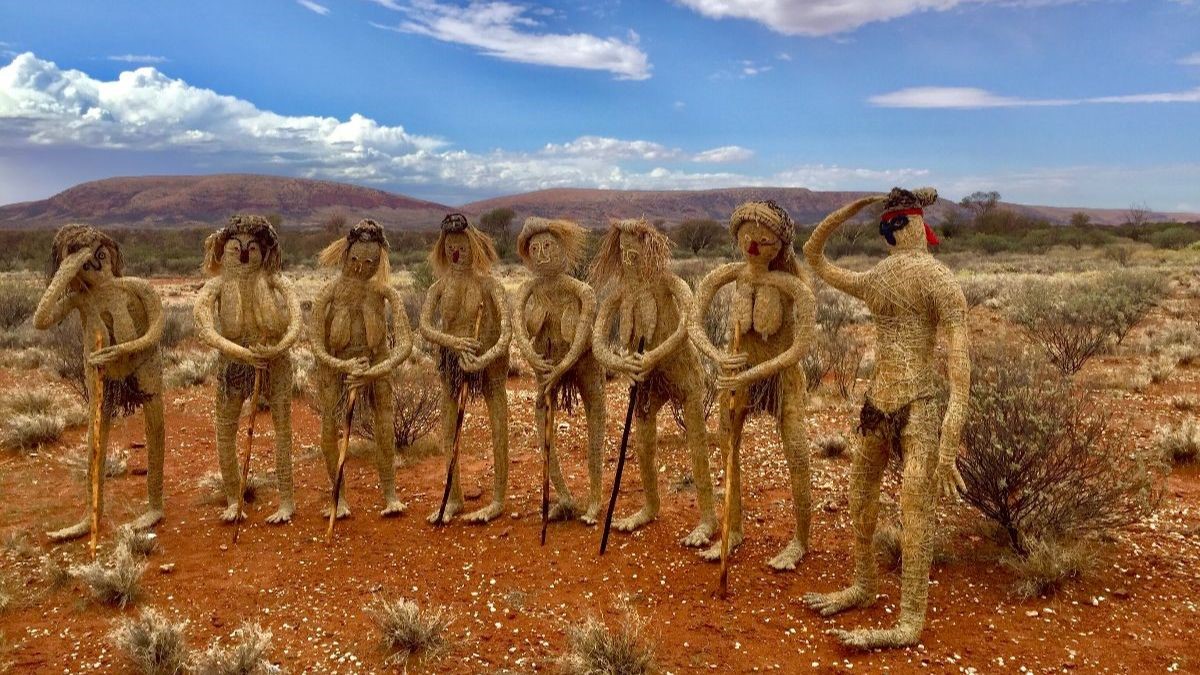
Kungkarangka at the National Gallery of Australia
Kungkarangkalpa (Seven Sisters) by Tjanpi Desert Weavers is a collaborative large-scale installation commissioned by the National Gallery of Australia as a part of the Know My Name: Australian Women Artists 1900 to Now exhibition.
Kungkarangkalpa (Seven Sisters) is an epic ancestral story. It follows the journey of seven sisters as they are pursued across Country by Wati Nyiru / Yurla, who is chasing the eldest sister. The sisters constantly try to evade Wati Nyiru leaving traces of their journey in the landscape. In an attempt to escape, they eventually launch themselves into the sky, transforming into the stars that form the Pleiades. Wati Nyiru follows and becomes the Orion constellation. The retelling and depiction of this story relays the impact of transgressive behaviour and location of water resources necessary for survival in the desert.

Know My Name is an initiative of the National Gallery of Australia to celebrate the significant contributions of Australian women artists. The initiative aims to increase the representation of artists who identify as women in its artistic program and enhance understanding of the contributions they have made and continue to make to Australia’s cultural life.
Contributing artists: Dianne Ungukalpi Golding, Delilah Shepherd, Winifred Puntjina Reid, Dorcas Tinnimai Bennett, Martha Yunurupa Ward, Nancy Nyanyana Jackson, Polly Pawuya Jackson, Cynthia Nyungalya Burke, Erica Ikungka Shorty, Judith Yinyika Chambers, Rosalie Richards, Dallas Smythe, Roma Yanyakarri Butler.
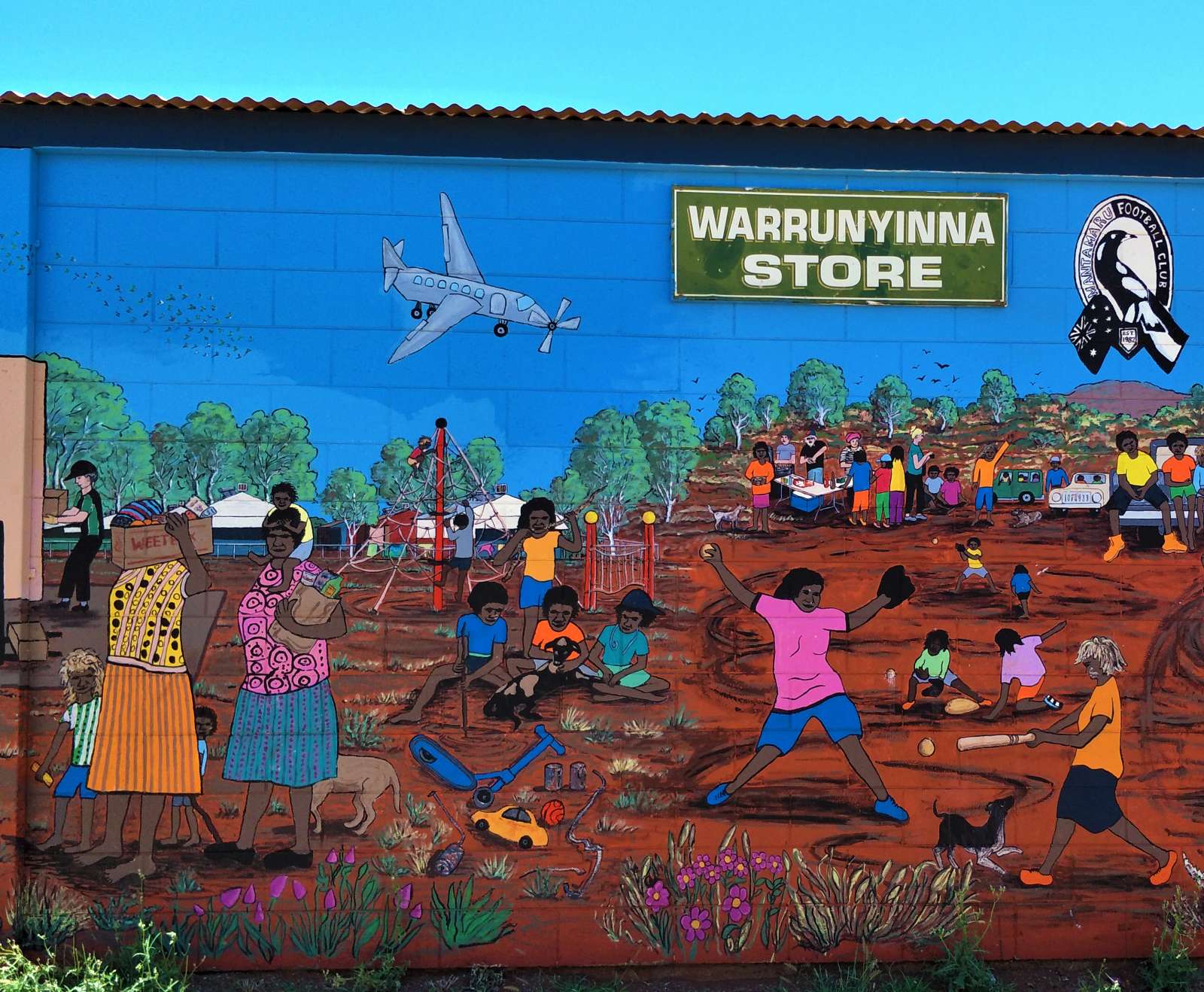
An exciting new project investigating food security in the APY lands.
The Child & Family Well-being Service is leading an exciting new research project investigating food security on the NPY lands. Dietary factors account for almost 10% of the burden of disease in Indigenous Australians and 15% of the health gap between Aboriginal and non-Aboriginal Australians. The research project will look at decision making and local factors that affect food choices in remote communities.
There has been concerted effort and small gains over many years to improve affordability and availability of healthy food and drinks in the NPY lands.
Although availability of good quality fruit and vegetables has increased by 50% in the APY Lands since 1986, seemingly many people still maintain a poor diet quality with high energy intake from discretionary food such as sugary drinks and takeaway meals increasing during this time. (2016 Lee et al).

Despite understanding people’s food purchasing habits, little is known about what informs people’s day to day decision making around food purchasing and eating behaviour. This new research project will investigate what influences food choices and priorities locally.
The second stage of this research will pilot interventions designed to address factors influencing food choice and consumption with the goal of informing and improving nutrition related service delivery to the NPY lands.
This project is led by the NPY Women’s Council’s Child Nutrition Program and is funded through the MRFF fund. The research will place Anangu voices and protocol at the centre of the research process.
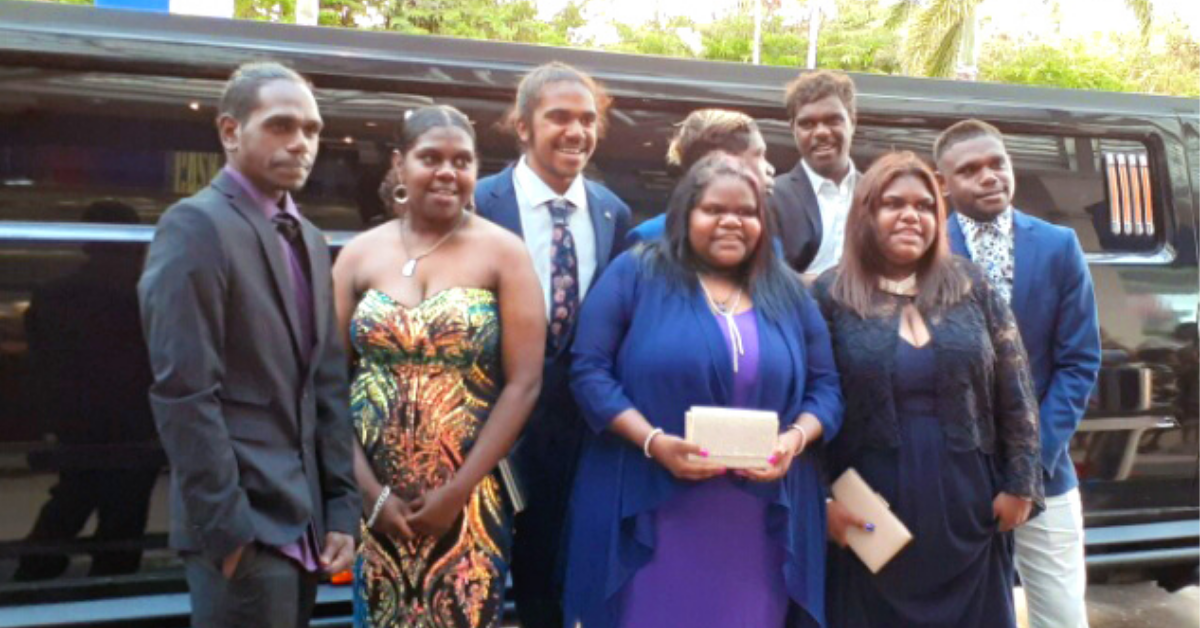
Our boarding school students beat COVID-19 & working from home to graduate in 2020!
Because of the recent change in travel restrictions in SA, the families of our boarding school students were unable to attend their graduation day. Hearing the sad news, their teachers at Djarragun College, chipped in for a stretch hummer and the students arrived at their senior formal in style!! Students from the NPYWC Youth Boarding School program showed great determination to graduate & flourish in 2020.
 Evelyn Marshall & Nadia Lewis from Amata graduating from Djarragun College QLD
Evelyn Marshall and Nadia Lewis were among 12 students from the NPYWC Youth Service’s Boarding School program that worked through a series of challenges to make it through the 2020 school year. Evelyn and Nadia spent the whole of term 2 working from home in Amata.
Whilst 2020 has been a challenging year for many students, the NPYWC Boarding School Program has been supporting boarding school students keep up with studies in their home communities across the NPY lands by providing laptops, finding good working spaces and keeping students connected through WIFI data. (Laptops financed by Uluru Rent funds).
Nadia Lewis
As well as receiving her Certificate of Completion for year 12 at Djarragun College, Nadia received the Principal’s Distinguished Endeavour Achievement Award, acknowledging her achievement in winning the Australian Heart Foundation’s T-shirt Design Competition for NAIDOC week (below).

Nadia says she would like to either work in aged care, child care or possibly study at University.
 Evelyn Marshall at graduation
 Congratulations also to Keith Turner (2nd left) from Pukatja, graduating from Clontarf Aboriginal College in Perth
NPY Women’s Council Youth Service’s Boarding School program is supported by Traditional Owners of Uluru and Kata Tjuta Funding.
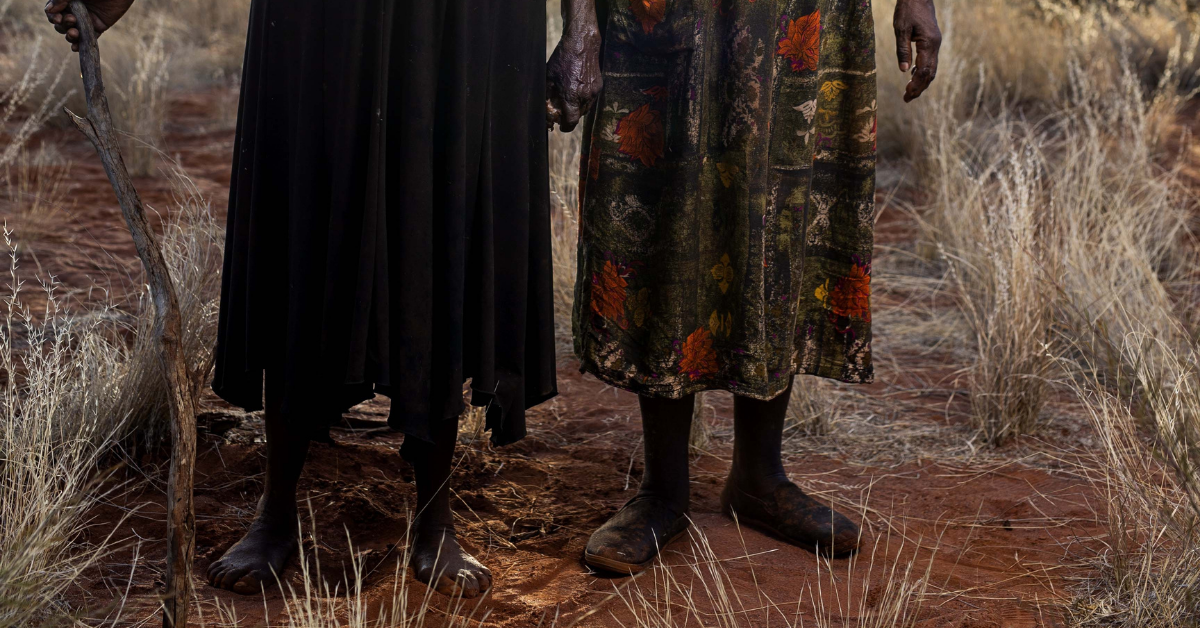
Domestic & Family Violence - Ways of Working: Holding onto Hope
Our Domestic & Family Violence Service staff are on the phones every day of the week talking with women who call from all across the NPY lands. These relationships have developed over many years and when women call they know they will talk to a worker who knows their community and who they may have met out bush or in town, where they sat down and talked.
Our relationships grow over time, hearing stories of family and community, her work, her painting or tjanpi making, and other things she loves. We might talk about good things that have happened in the past, stories of her grandmother, of being a good mother and daughter. The conversation focuses on her journey which might include her sadness. It might include the violence she is experiencing; it is a travelling journey she is on and the sadness is like a roller coaster.
There is much practical support that women might want and we can help with to ensure her safety and that of her children. When she is feeling safe again, we might talk about the stories she told us in the past – of her hopes and dreams and she will feel strong like a tree. She will feel like it’s a new start and she will never give up.
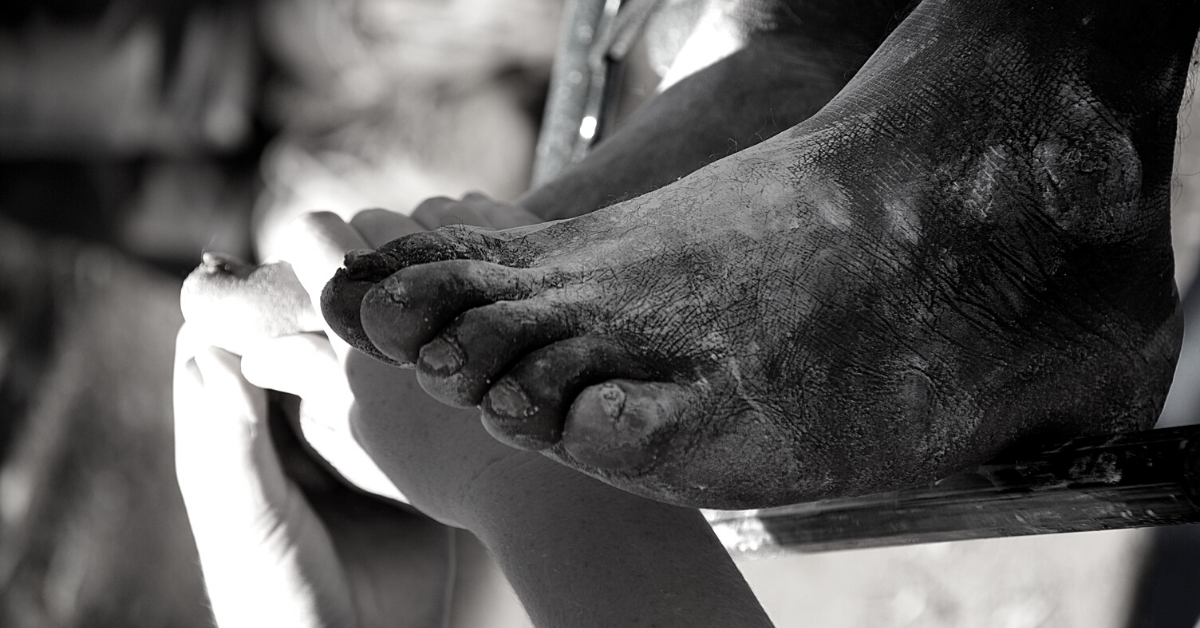
Rates of disability in remote communities are at least twice those of mainstream Australia. Poverty is endemic in remote communities and there is competition for basic resources, particularly food, bedding and clothing. This can lead to abuse and or neglect of vulnerable people including those with disability, a situation which can be accepted and normalised. NPY Women’s Council has presented a submission to the Royal Commission into Violence, Abuse, Neglect & Exploitation of people with a Disability.
NPY Women’s Council is supporting people to tell their story to the Disability Royal Commission into Violence, Abuse, Neglect & Exploitation of People with a Disability and will help people to talk about their experiences in a safe and private way.
Led by Munatji McKenzie, the NPY Women’s Council’s Tjungu team will travel across the NPY Lands to interview Anangu with a disability about their experiences, and offer access to culturally appropriate counselling as a part of the process.
The NPY Women’s Council’s Tjungu team has presented a submission to the Royal Commission that identifies the very real experience of people living with a disability on the NPY lands.

The report addresses key issues including:
· Anangu with disability have clearly stated that they want to continue living on their traditional country with family and culture despite the lack of services in remote areas
· Endemic poverty in remote communities leave Anangu with a disability and their carers focused on their immediate survival needs, therapeutic services can be seen as a secondary priority
· Endemic poverty in remote communities leaves Anangu with a disability vulnerable to neglect and abuse due to day to day competition for basic resources such as food
· There is a lack of understanding from entities such as NDIS about the support Anangu want and need due to cultural and language barriers
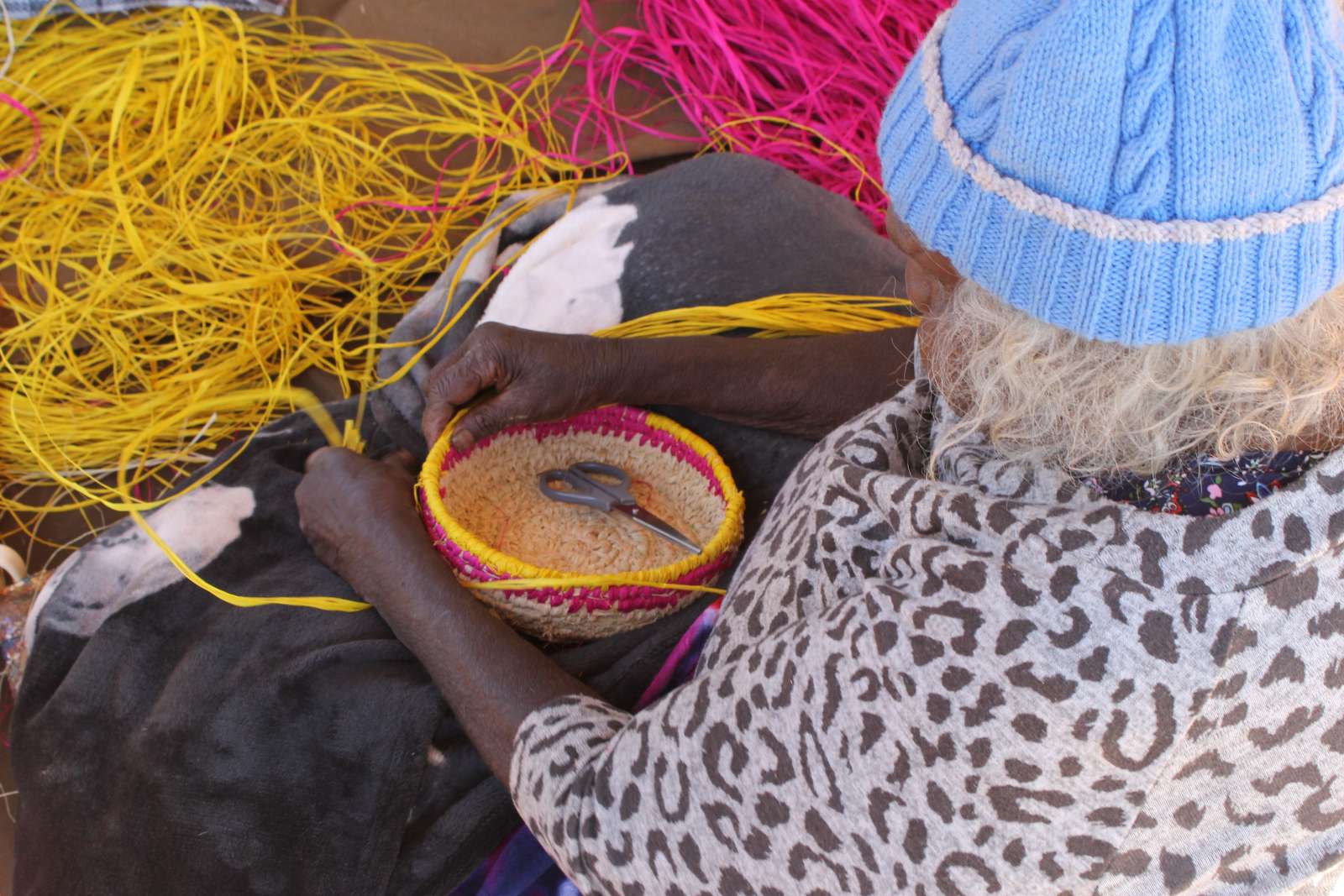
Creating a space to weave, connect & check in
In the first set of Tjanpi workshops since biosecurity restrictions were lifted, Tjanpi loaded a car load of Tjanpi supplies for hungry weavers. The workshops offered an opportunity to reconnect, weave and talk about people’s wellbeing during the pandemic. The workshops were a new collaboration between Tjanpi and the NPYWC Domestic & Family Violence Service and supported discussion around the threat of heightened family violence during COVID lock-downs.
Workshops in Docker River and Mutijulu created a space to weave, talk and reconnect after limited travel during biosecurity measures in the NPY Lands. In a relaxed and supportive environment, Tjanpi and the Domestic & Family Violence Service (DFVS) were also able to pave the way for deep and profound discussions regarding domestic and family violence.
While successful in producing amazing new tjanpi work, the workshops have also provided the opportunity for new relationship building and DFV awareness.
This project was funded by the Central Land Council grants supporting: Provision of support services for residents of Aboriginal communities affected by restrictions imposed to reduce the spread of COVID-19
Find out more about NPYWC Family & Domestic Violence Service

For thousands of years Anangu families have sung to their babies. Integrating Western trauma theory with Anangu cultural knowledge, the Walytjapiti team worked with senior Anangu women to record a collection of children’s songs in Pitjantjatjara and Ngaanyatjarra. The collection aims to build and encourage connection between children and their caregivers.
Listen to the traditional song Urungka Tjarpara, a story about children getting cold from splashing around in the flowing water.
NPY Women’s Council Walytjapiti team work with families and children at risk. They deliver trauma informed therapeutic case management with families so that children remain safe, happy and protected within their communities.
Tjitjiku Inma is a collaboration between NPY Women’s Council’s Walytjapiti team and the Ngangkari’s Uti Kulintjaku (clear thinking) group who, together recorded 17 songs in Pitjantjatjara and 11 songs in Ngaanyatjarra.
The Titjiku Inma project was developed to support workers and families amplify the strength of singing to encourage the continuation of this interaction between caregivers and their children.
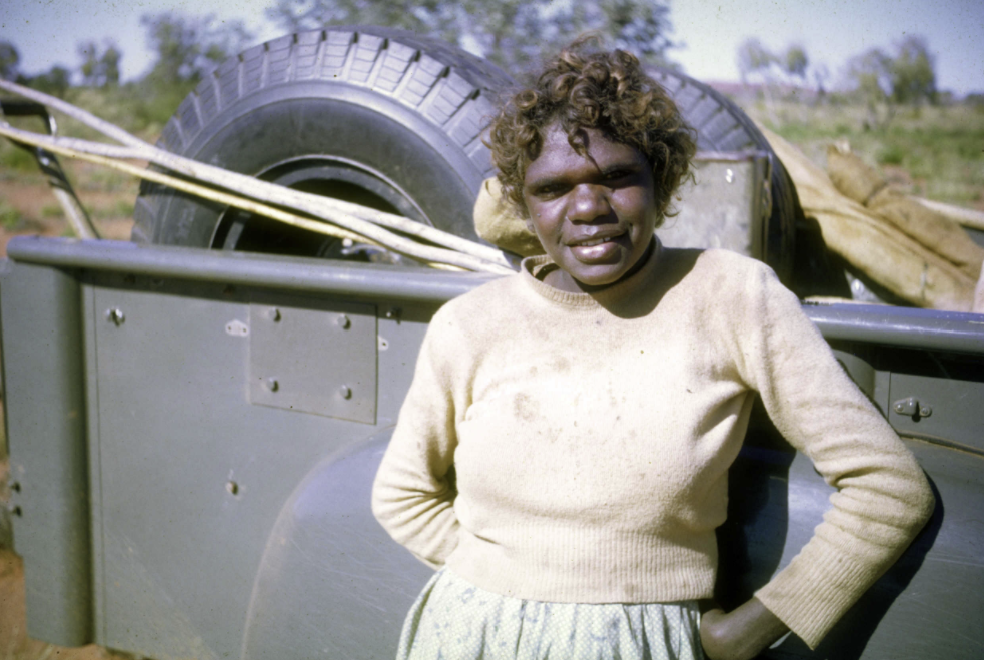
Yanyi Bandicha - The story of a leader
Yanyi was born in the bush near Ernabella (SA) to Paniwa Baker and Jacky Tjupuru in 1950. From the very beginning Yanyi Bandicha stood out as a leader and dedicated mentor to young women. Her journey to become one of the first Anangu teachers and NPYWC’s Chairperson is lit by Yanyi’s generosity and commitment to support those around her.
Yanyi was educated bilingually in both Pitjantjatjara and English in Ernabella Mission School. It was here she discovered a love of learning and the power of education for all young Anangu boys and girls.
In her late teens Yanyi began to forge her own path. In the early 1970s she began her first job as a teacher’s assistant. Her commitment and passion for education led her to being one of the first Anangu Pitjantjatjara woman teachers at the age of 22.

Yanyi Banidcha 1973 Image Courtesy of Ara Irititja, Heather Alcorn Collection
Yanyi taught kindergarten and junior primary, in Amata, then at Yirara College in Alice Springs before moving back to her home community of Ernabella where she taught for many years.
While Yanyi was a junior primary teacher, she really shone as a teacher for the Senior Secondary girls. Yanyi turned the lives of many young women around. When young women were tempted to leave school, Yanyi won them back and assisted them above and beyond what a normal teacher’s duty would be. Yanyi supported many young women by creating a live-in situation for these girls.
Yanyi really cared for the girls, taught them how to look after themselves and to set a great example. She was a mentor, instilled confidence and professionalism, good learning practices, leadership, and imparted a vision for a good, respectful and safe learning community. Yanyi and the girls formed the Ernabella Girls’ Choir who performed at the Adelaide Festival Theatre and toured New Zealand. Forty years later, Yanyi continues to sing with the Ernabella Choir (later the Pitjantjatjara Choir) and is always ready to sing at a moment’s notice.
Nearly every girl she mentored have today become successful community leaders, some of the most outstanding younger women on the APY Lands today. These girls are now cultural leaders, educators, artists and Directors of various bodies.

Yanyi Bandicha 1971 about to teach a Pitjantjatjara language course. Image: Ara Irititja, Jill Finch Collection.
After teaching, Yanyi continued her work in education, becoming Director of the Pitjantjatjara Yankunytjatjara Education Committee (PYEC), a part of the South Australian Department of Education. She handled queries and questions and was an authoritative spokesperson for all the Anangu Education Workers (AEWs) across the whole APY Lands.
Church & Marriage
After Yanyi married her husband Raymond Bandicha from Maningrida, they moved to Aputula Community at Finke, NT, where he was a pastor. Yanyi voluntarily took care of many young children at this time, ensuring they were educated and fed. Sometimes she would ring up friends and ask for help, ‘I’m down to my last Weetbix.’ She gave everything she had.
Yanyi also became very involved in the Uniting Church. Her authority and calming influence in Ernabella as a community leader and church elder commanded attention and interest. She is now an Executive with the Northern Regional Christian Congress (NRCC) of the Uniting Church.

Image: Yanyi Bandicha 2019 Photo: Rhett Hammerton
NPY Women’s Council
Yanyi has been part of the NPYWC for over 17 years, she has moved through all the stages of governance from Member, Executive Member, Director, Vice Chairperson and Chairperson. Her leadership in bringing issues of Anangu to the national stage, brings hope to many.
Yani has a knack of keeping people focused in the right direction. She still mentors younger women, and today some of her own students sit with her side by side, governing the Women’s Council. This demonstrates a lifetime’s commitment to assisting young Anangu women to excel at what they do.
Yanyi’s strong advocacy for renal dialysis in community has done much to enable this in the NPY region. Importantly, a dialysis room opened in 2019 in her home community of Ernabella because of Yanyi’s relentless advocacy to ensure her people can stay on county.
To support women’s law and culture in the NPY Lands, she advocated and promoted the Larapinta Extreme Trail Fundraising event. In 4 years this volunteer event raised close to $500,000 for NPY Women’s Council women’s law and culture meeting.
In addition to this work, Yanyi is an interpreter and translator, translating Work Health & Safety Workbook for Regional Anangu Services Aboriginal Council, assisting the employment and training of young Aboriginal people. She has also been a long standing translator with the Pitjantjatjara Bible Translation Project Inc.
Now at 70 yo Yanyi still continues to give tirelessly of her time in her home community, Pukatja.She provides a safe house day and night to young women.
Yanyi, so humble, polite and capable. Yanyi has truly made a difference in so many people’s lives.
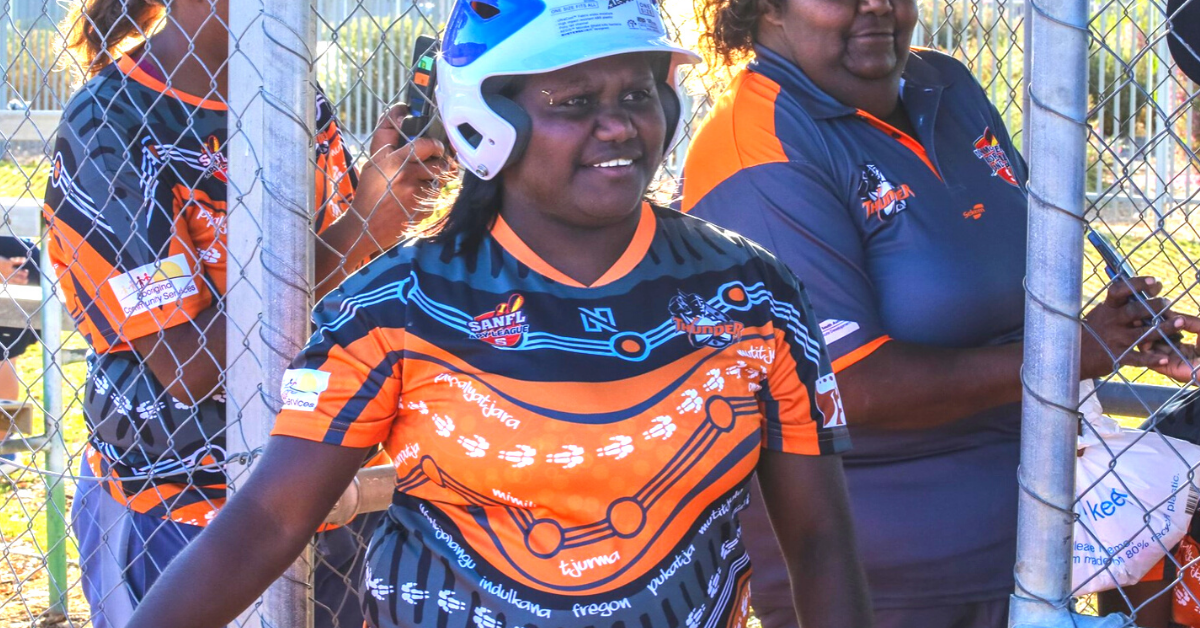
IWARA: A NEW PATH FOR YOUNG PEOPLE IN REMOTE COMMUNITIES
The NPYWC Youth Service is about to embark on a new program, Iwara (path / track) aimed at assisting young people to gain meaningful employment in their community through the love of sport.
Iwara is a partnership with AFL NT, Softball NT, Tafe SA and CDU that will offer qualifications in Community Services and Sport & Recreation at completion.
Iwara participants will be mentored by an Anangu Employment Officer (AEPO) from the NPYWC Youth Service throughout their journey. The AEPO will also work with the trainees at the end of the program to identify ongoing work with youth programs and agencies across Central Australia.

Iwara is a 7 month program that will include three months of immersion into softball and football; trainees will learn foundational work skills related to these sports before heading back to communities and implementing their new abilities and key learnings. .
The program is a part of the NPYWC Youth Service’s broader commitment to Anangu employment and assisting Anangu to live well in both worlds.
If you know of a young person who would be an excellent fit for Iwara or want more information on the project, please contact Brett Toll at youth.asstmgr@npywc.org.au
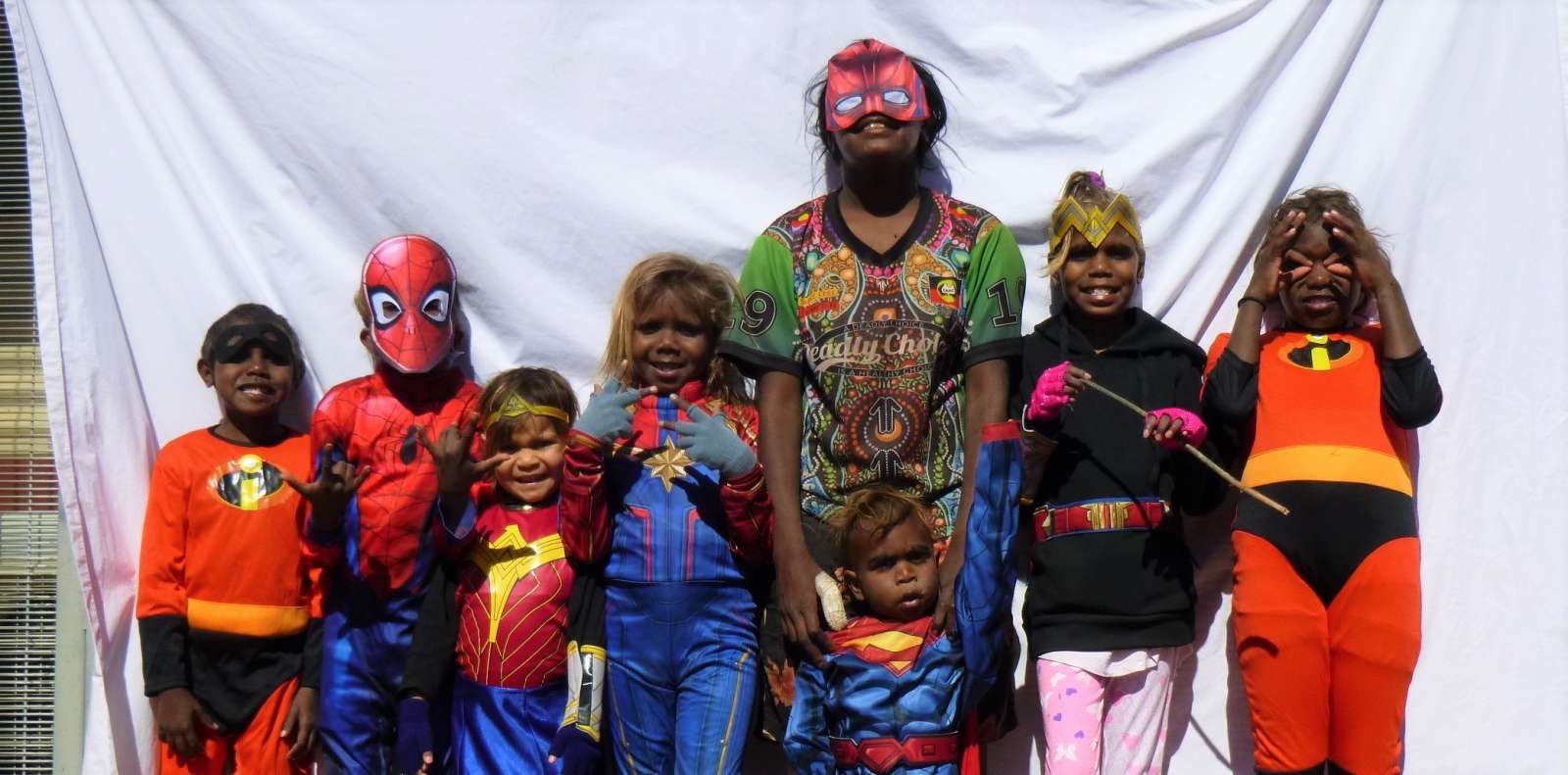
Jail can cause great harm to children. In Australia 10 yo children can be arrested, charged and jailed. We know incarcerating children does not reduce crime, is extremely costly and increases the chances of children re-offending x3. Is there a better way? Read more about why children are in jail and what alternatives exist. NPYWC Directors ask the Australian Government to #RaiseTheAge of incarcerated children from age 10 to 14 in line with UN recommendations.
Who are the children in jail?
65% of children in jail (aged 10-13) are Aboriginal. Research shows children in jail are already struggling with a range of life situations and health issues, that have not been adequately addressed.
We know that incarcerated children are more likely to have:
- intellectual disabilities
- low levels of education
- poor mental and physical health
- engage in substance abuse
- been exposed to violence and other mistreatment
- been placed in foster care

NPYWC Director, Wanatjura Lewis at 10 years old (check dress)
In Australia it costs $1579 / day per child or $539 million dollars annually to keep in youth detention (2018/19, Productivity Commission). Is there a more effective way of reducing crime and increasing children’s welfare that are cost effective?
When we invest early on in children, families and communities reap the rewards.
Investing in the welfare of children and families is good for everyone. Holistic and community based programs that work with the complex issues causing children to fall through the cracks, can prevent a children heading down the terrifying path of detention and jail.
A good start is growing preventative programs that provide support for:
- families to care for children with intellectual disabilities
- boys/young men to better understand and manage their violent behaviour, and support for families and men to deal with domestic violence
- programs like NPYWC’s Walytjapiti team that work with families to prevent children being removed from their family and culture
- appropriate resourced and culturally relevant mental health and well-being programs.
“It’s not a matter of ignoring that behaviour and doing nothing, it’s a matter of rethinking how we approach those problems in a way that’s more constructive,” University of Technology Sydney criminology professor Chris Cunneen.
 NPYWC Chairperson, Yanyi Bandicha at 10 years old
“When they take young people to jail, they think oh well I will just do bad things again, I have been to jail before and I know I can go again. They will keep doing the wrong things and go back to jail then more bad things will grow in them over and over again.” Yanyi Bandicha NPYWC Chairperson.

Read more about NPYWC’s plea to raise the criminal age of children here
You can show your support by:
- signing a petition: https://www.raisetheage.org.au/#petition
- Writing to your local member
- supporting preventative programs and donate to NPYWC Youth Service or Child & Family Wellbeing Service
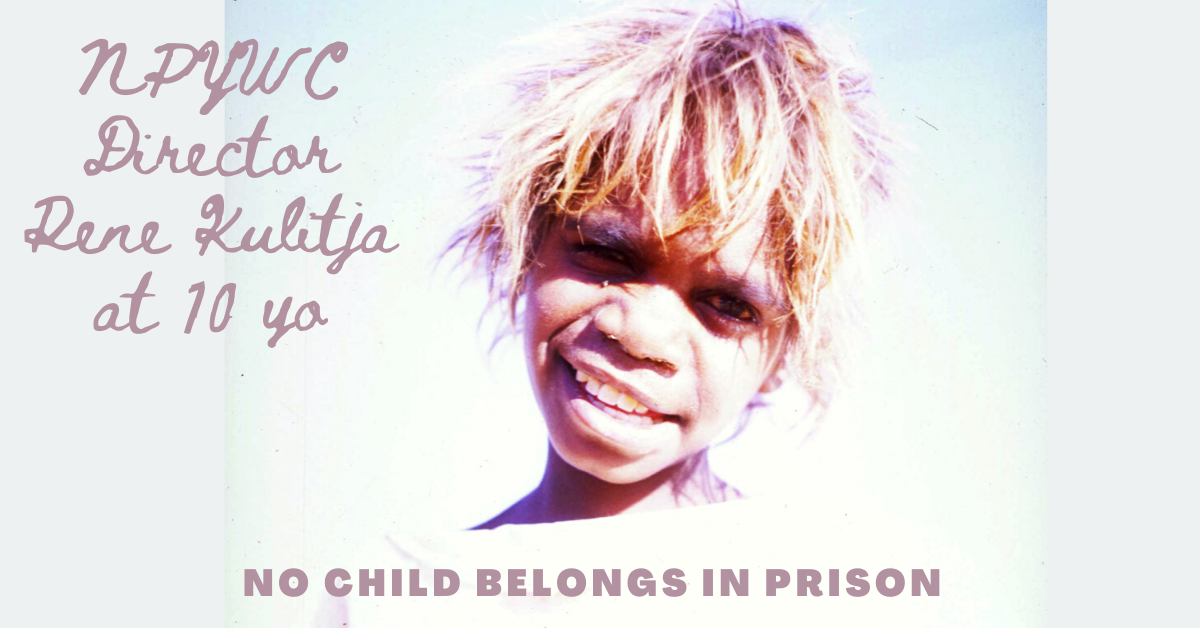
NPY Women’s Council calls on government to stop imprisoning children
It is alarming that children as young as 10 can be arrested, charged and imprisoned in Australia. Every year, 600 Australian children between the ages of 10 and 13 are locked up in prison and sadly 65% of these children are Aboriginal or Torres Strait Islander.
NPY Women’s Council Directors support the #RaiseTheAge campaign and stand with other Aboriginal leaders to advocate to raise the age. NPY Women’s Council agrees that Australia’s minimum age of criminal responsibility should be raised to at least 14 years to align with the recommendation by the UN Committee on the Rights of the Child.
NPY Women’s Council Director, Yanyi Bandicha at 10 yo
“They are learning and they are too young to be locked up, they have a long way to go before they know what is right or wrong and what is good for them,” – NPY Women’s Council Director, Maimie Butler
In July 2020, Australian lawmakers at the Council of Attorneys-General failed to make a decision to raise the age, deferring this to 2021. The ACT government are the first jurisdiction to agree to align its laws with the UN’s recommendation. NPY Women’s Council Directors call on the Commonwealth, state and territory governments to follow the footsteps of the ACT government and protect Australia’s next generation.
 Director Yangi Yangi Fox at 10yo (left)
The 2017 Royal Commission into the Detention and Protection of Children in the Northern Territory found that a hard-line approach would not reduce crime, hence one of their key recommendations was to raise the age of criminal responsibility. Research has found that children jailed before the age of 14 are three times more likely to re-offend.
“Governments have been locking kids up for a long time, and yet youth crime is on the rise… There is plenty of evidence that supports a different approach to tackling crime,” – NPYWC Youth Service Manager, Christine Williamson
NPY Women’s Council Youth Service works within research and evidence based frameworks that acknowledge school attendance and reducing family violence are key influencers in reducing youth anti-social and criminal activity. NPY Women’s Council believes that the best place for a child is on country, with family and culture not in jail.

“They shouldn’t be locked up, they need the chance to sit with their family and learn more about what is right or wrong. If they are locked up at that age (10yrs) all they know is how to obey the security guards and live in jail, it is not right,” – NPY Women’s Council Director, Maimie Butler
Christine Williamson, Manager of NPYWC’s Youth Service, calls on Australians to “sign the petition, write to your local member, educate yourself about the issues and what works and share this with others in a way they will understand,”
Actions:
o Show your support and sign the petition: https://www.raisetheage.org.au/#petition
o Write to your local member
o Donate to NPYWC Youth Service

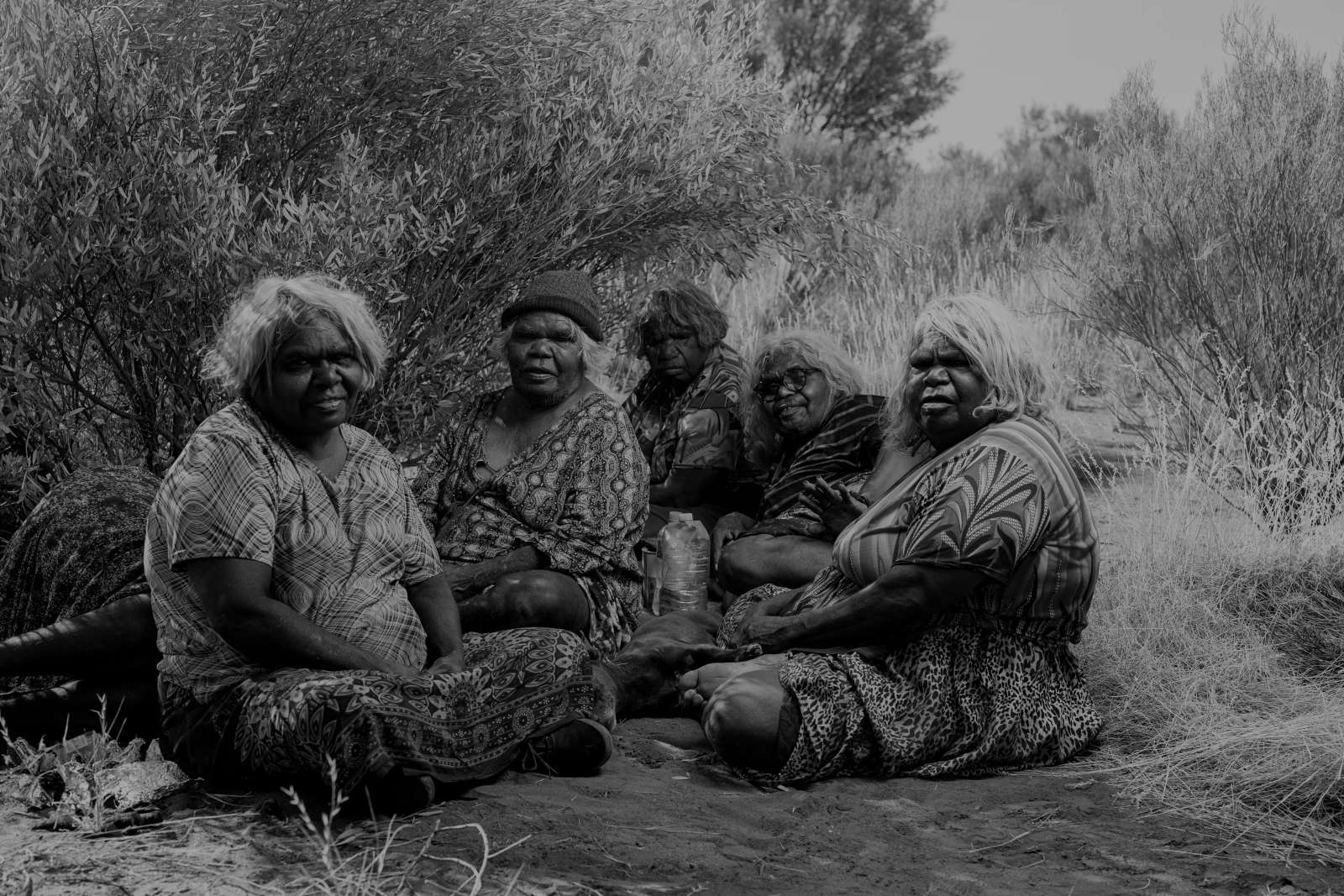
NGAPARTJI NGAPARTJI: WORKING & LEARNING TOGETHER
As a lead Aboriginal service provider and employer, NPYWC has developed a formal framework that equally acknowledges and values both western professional disciplines and Anangu cultural and contextual knowledge within the workplace.
NPYWC is leaving traditional employment paradigms to better engage staff in Central Australia’s cross cultural context.
Ngapartji Ngapartji is the first edition of NPYWC’s Workforce Development & Capability Framework and is a holistic and evidence based approach to Aboriginal employment at NPYWC.
The framework is unique to NPYWC’s context, and importantly, requires Anangu cultural skills and knowledge to be embedded in all areas of practice. It believes that both Aboriginal and non-Aboriginal employees are essential to the operation of the organisation to ensure the right mix of values, knowledge and skills.
During conversations with Aboriginal and non-Aboriginal staff, members and clients, it became clear a traditional approach to Aboriginal workforce development would not sufficiently address the values and aspirations of the organisation. Relationships, language and culture, growing through work and empowerment were all strong themes that people felt needed to be acknowledged and included in this document.
The Workforce Development and Capability Framework places the responsibility on everyone to be constantly learning and developing, whilst contributing to the shared goals of the organisation.
The framework focuses on deeper learning in the areas of cultural safety, cultural awareness, knowledge exchange (both ways’ learning), malparara way and trauma-informed practice.
These areas contribute to a working environment that we feel, sustainably and realistically improves Aboriginal employment. It was important to NPYWC that the framework aligned with similar models and philosophies of work already created in the organisation.
Download Workforce Development & Capability Framework 1 & 2


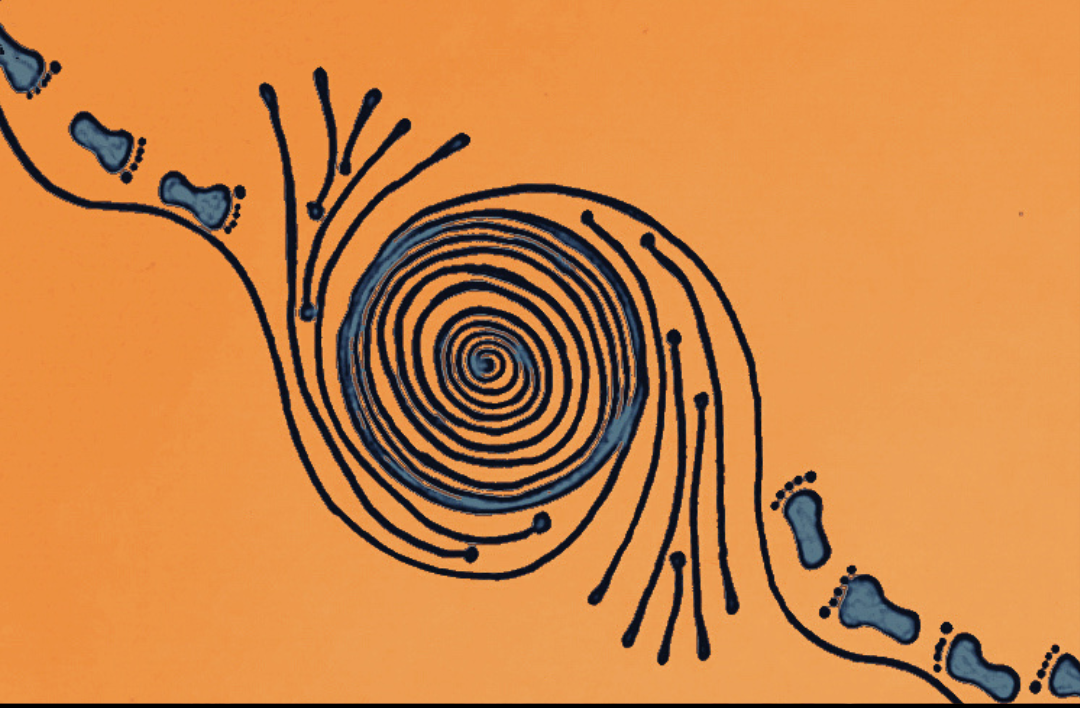
Exploring Anangu Legal Awareness
COVID-19 inadvertently created an environment for learning due to the NPYWC Domestic & Family Violence Service‘s (DFVS) forced slowing down of pace. DFVS’s Specialist Legal Educator and Anangu staff were able to explore legal / illegal behaviours and current misunderstandings around legal issues.
“……it comes as a shock to them when the police have a warrant for their arrest. This shock comes to both her and him and the family.” Anangu Support Worker

An DFVS Anangu Support Worker talks about her experience: I drew this picture after we were having talks about legal issues. We were trying to get a better understanding of how Anangu think about domestic violence orders (DVOs).
In the Anangu community, they think it’s none of their business when partners have a fight. The fight might start after they have a drink then maybe they start arguing about the money saying things like ‘You spent my money!’ People around think he’s just going mad, they might say: ‘I just heard something happening’, but they don’t do anything.
They don’t know that there are legal things there – the threating and the violence is there and it’s not good for the kids, it’s like trauma is happening for the kids.
A problem here is that people think its ok to leave it
They don’t know how important it is to understand. It is a big thing now they have to know about. It can affect the family and the children. It is affecting the woman and the man. Both need to have a clear picture. It will affect you now and in the future. They can come together in the middle and talk about the DVO and what it means. They need to know that the DVO can help to stop the violence.
They need to understand that their behaviour is illegal. People don’t know what is legal or illegal behaviour this knowledge is hidden. Good legal education is important because people understand their rights but also the effects of their behaviour.
The difference came for me last week when we looked at the
It’s gone from being – the man and woman walking towards each other to sort out the DVO, to now we have a better understanding so that she can say to him ‘I want you to be my husband and a father to the children but you need to understand the DVO’. In the middle of the picture is about the going to court time, the legal statements, the lawyers, how are we going to fix this? Lots of worries.
Now
Using training from the NT Legal Aid Commission’s Blurred Borders resource kit DFVS staff spent time discussing and building greater understandings around legal stories about restraining orders, conditions, police, and arrest. The DFVS now holds a greater understanding of gaps in community knowledge that can now be addressed through a fledgling DFVS legal education project.
Staff talked at length about threats, power and control, the word ‘psychological’ and emotional harm, which Anagnu staff equated to spiritual harm. These conversations have led to all staff developing a more nuanced exploration of legal/illegal behaviours, and the purpose of a DVO and criminal procedure being to create protection, not trouble.
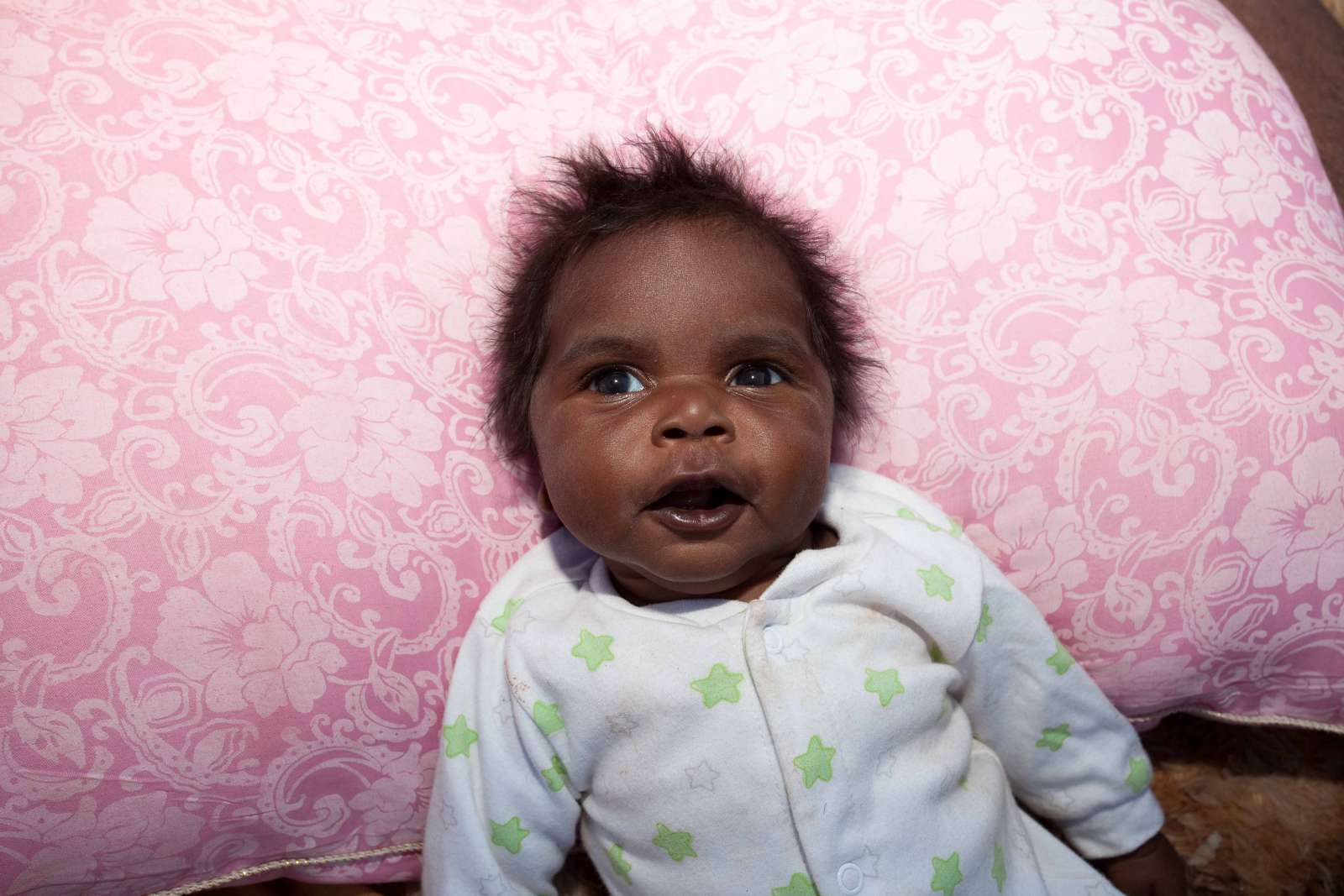
When sudden COVID-19 travel and biosecurity restrictions came into effect, many people found themselves negotiating a new set of challenges.
Expecting mothers from remote communities were required to quarantine in hotel rooms both before and after giving birth . Some community members visiting critically ill family members in hospital were left homeless as hostel accommodation became restricted.
The Child & Family Wellbeing Service worked to support vulnerable families find accommodation, make it through isolation with a newborn baby and navigate their way home safely.
As expectant mothers faced a month of isolation around delivery of their child, including several weeks in a hotel with a new born, the Child Nutrition team has been a friendly and consistent presence. They support women facing this challenging situation through phone check-ins, visits (with social distancing) and nutritious meals.
Women and children with hospital appointments also have to isolate to get back to their home communities, the Nutrition team is easing isolation stress with visits, tjanpi weaving materials, shopping support and advocacy to expedite travel.
The CFWS kitchen, usually busy with new mums cooking and learning more about nutrition, is used to cook up large batches of meals for families who are caught in difficult circumstances.
Although unable to travel to remote communities to visit regular clients, the Nutrition team works with community clinics and DCP to maintain regular contact with clients through teleconferencing and mobile phones to address growth faltering .
They have partnered with local Child Care centres sending families activity packs filled with recipes, food, seeds and games.
COVID: YOUTH SERVICE FINDS NEW WAYS TO WORK WITH SURPRISING OUTCOMES
The Youth Service found themselves navigating an ever changing front of COVID-19 restrictions impacting on their service delivery into remote biosecurity regions. After a week of planning and a deep breath, the Youth Service began to deliver a creative series of COVID safe programming into the NPY Lands.
The programs surprised everyone by finding a deep engagement with communities, families and youth that have not previously been involved with the program.
The new programming has seen families become very involved in supporting the delivery of activities in their homes and young people step up to the challenge of self-driving fun.
New COVID-19 safe programming has seen a more resilient program, reaching new communities, families and youth, including young people with disabilities.
Elements of the COVID programming will be continued into the future to support this engagement.

Competitions get crazy
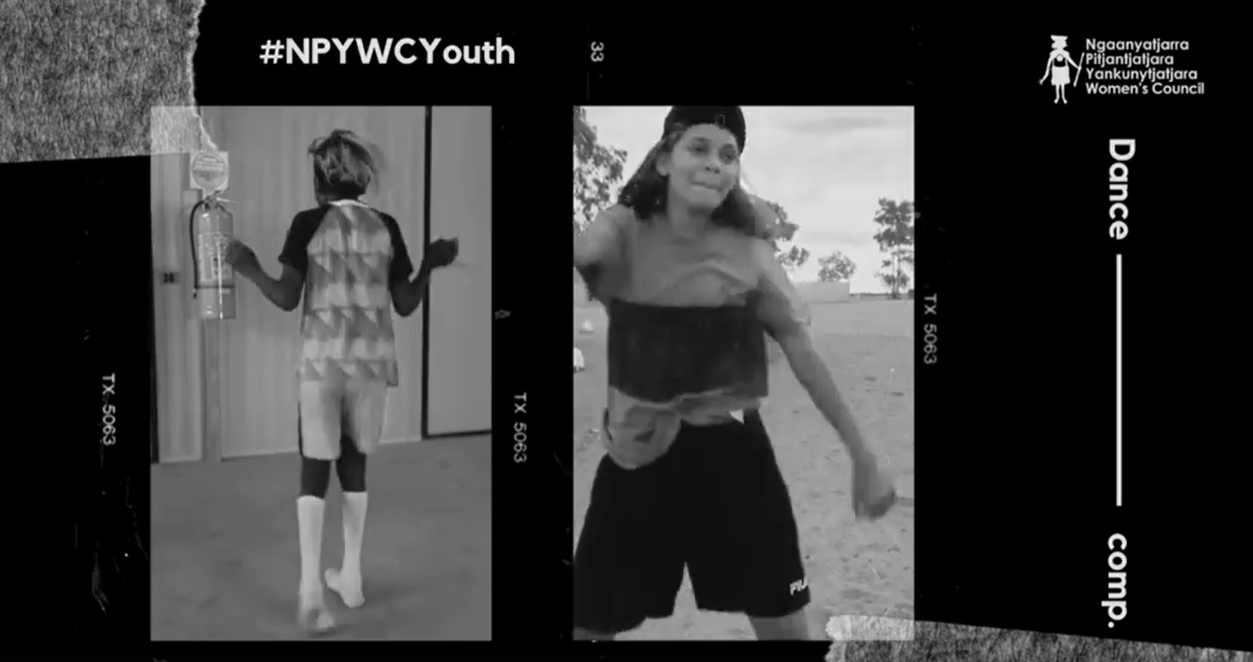
The Youth Service created a dance and footy trick shot competition aimed at keeping youth active and driving their own activity in a safe way.
One of our Dance Competition entrants received over 56 thousand likes on his Tik Tok dance post!
Click here to see Football Trick Shot winners
Click here to see the Dance Competition winners
Activity packs in high demand
Activity packs were sent out to youth across the NPY Lands. Packs included recipes and food ingredients, art materials and hair colour, resembling some the programs that are usually run.
Due to an overwhelming response for more, the packs have continued to be sent out to NPY communities. Families not usually engaged with the Youth Service began to get involved to support their children with cooking and other activities provided. This element of engagement is what the Youth Service feels strongly about maintaining post COVID-19. The Youth programs are excited, not just to provide activities for youth but work with families to support youth activities.

Guys seek football fitness
Older youth were worried about losing their fitness for the football season. A football exercise program was translated into Pitjantjatjara, turned into a video and shared across the NPY Lands. The video was extremely well received and used.
Boarding school program
As COVID-19 began to transform how schools were conducting operations, safety plans for each boarder were devised between the Youth Boarding school program, families and schools. As boarders began to return back to community, the Boarding School Program working with agencies on the ground to find spaces for boarders to continue to learn remotely. Students were set up with spaces in community schools, art centres and offices. All students were supplied with computers and internet dongles by NPYWC and their schools.

Movie nights went virtual and viral
A Friday movie night is mainstay for many youth programs, bringing people together for an end of week treat. NPYWC Youth program wanted to keep this element of the program running. The first live stream on social media received nearly 2K views. The Youth Service then set up a partnership with ICTV to host the movie nights featuring old NPYWC footage and films from the archive.
In Kiwirrkurra, Youth Development Officers set up 5 projector screens in front of family homes to screen a movie night. Community members came out on their verandas to watch and share socially distanced time with each other.
Click below to watch some of our April live-stream movie nights:
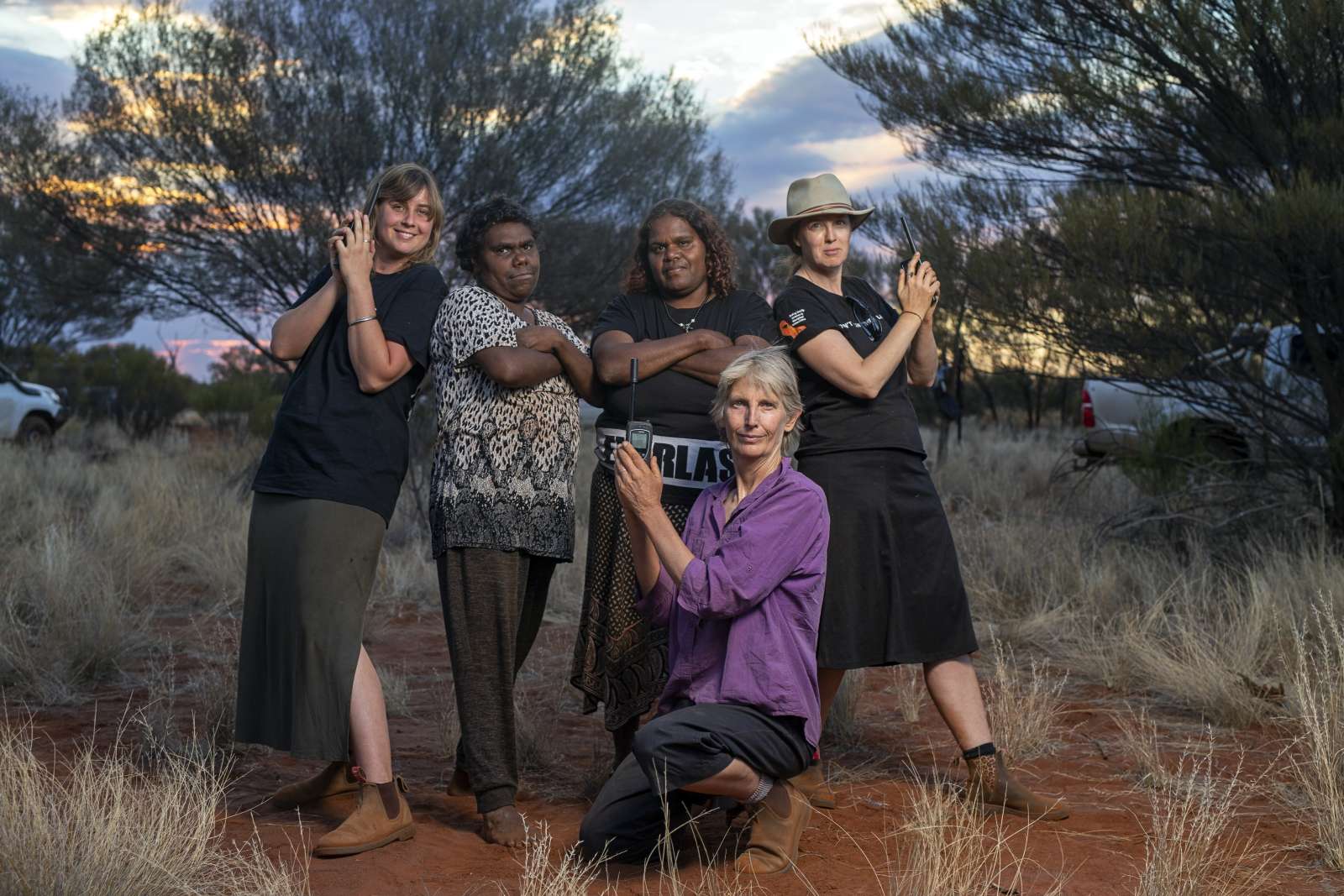
COVID-19: From Job Upheaval to Opportunity
As COVID-19 restrictions began to take effect, NPYWC staff faced upheaval to their roles and regular service provision. Some staff were overrun navigating new systems and urgencies while some found they were not able to continue with usual tasks.
The Job Rotation Program was developed to address this dramatic shift of circumstance and as an opportunity to strengthen NPY Women’s Council. The organisation had an extraordinary
opportunity at this time to work more collaboratively than ever and share knowledge, skills and experience.
The program enables staff to request to work with other programs or in different roles and offered both staff and the organisation a number of benefits:
- Opportunities to be exposed to different program areas
- Fresh perspectives and different ways of thinking
- Acceleration of professional development
- Strengthening of succession planning
- New challenges for staff and exposure to leadership roles
The Job Rotation Program is voluntary and based on a way of working called ‘Lattice Learning’.
For NPYWC it means that employees have an opportunity to see how other, sometimes similar or overlapping programs operate to bring back new knowledge to their positions to enhance their work.
Rotating staff have the opportunity to bring in fresh working styles and perspectives potentially increasing innovation, problem-solving and greater efficiency.
For staff the Job Rotation Program can provide a meaningful and “hands-on” learning opportunity. New skills, knowledge and challenges and the opportunity to step up into leadership roles. Managers can identify future leaders and provide them with training to step into roles of greater responsibility when the time comes.
The Rotation Program allows for migration of staff to areas that needed extra support during times of rapid change and challenge.

ANANGU LEADERS NURTURE COMMUNITIES DURING COVID-19
With most services into the NPY Lands greatly restricted, Anangu staff have found themselves playing a pivotal role in nurturing their communities on the ground.
The Uti Kulintjaku project is a part of the Ngangkari program and grows capacity and mental health literacy in Anangu communities. The project works with key Anangu community members and western health professionals to strengthen understanding between both groups, Anangu members then work within their communities to drive change.
When COVID-19 presented an extra need and fewer services, these leaders stepped up and began their own community initiatives. This is what happened.
Amata Men
Stanley Windy, a long term Uti Kulintjaku Watiku member, led several profound initiatives. The Uti Kulintjaku Watiku program positions Anangu men’s voice within the dialogue and sharing of ideas to prevent family violence and to strengthen young people’s wellbeing. Stanley found activities that would engage young men and used this time to talk intimately with the men. Stanley took young men out to catch and break in wild horses seen around Amata and set up music practice sessions. Stanley was able to talk to these young men through personal and empowering conversations. These conversations between leading community figures such as Stanley and young men are pivotal in creating grass roots community change.
Weekly Mental Health Meetings
A group of senior women and key members of Uti Kulintjaku based in Mutijulu began meeting weekly out bush, with support from the Central Land Council COVID-19 funding. The group is using this quiet time to consider their mental health and wellbeing and ways they can build resilience in their community.
Singing & family bush trips everywhere!
During COVID-19, all Uti Kulintjaku members reported increased singing and family trips to country as key well-being activities that have worked to build unity and alleviate distress.
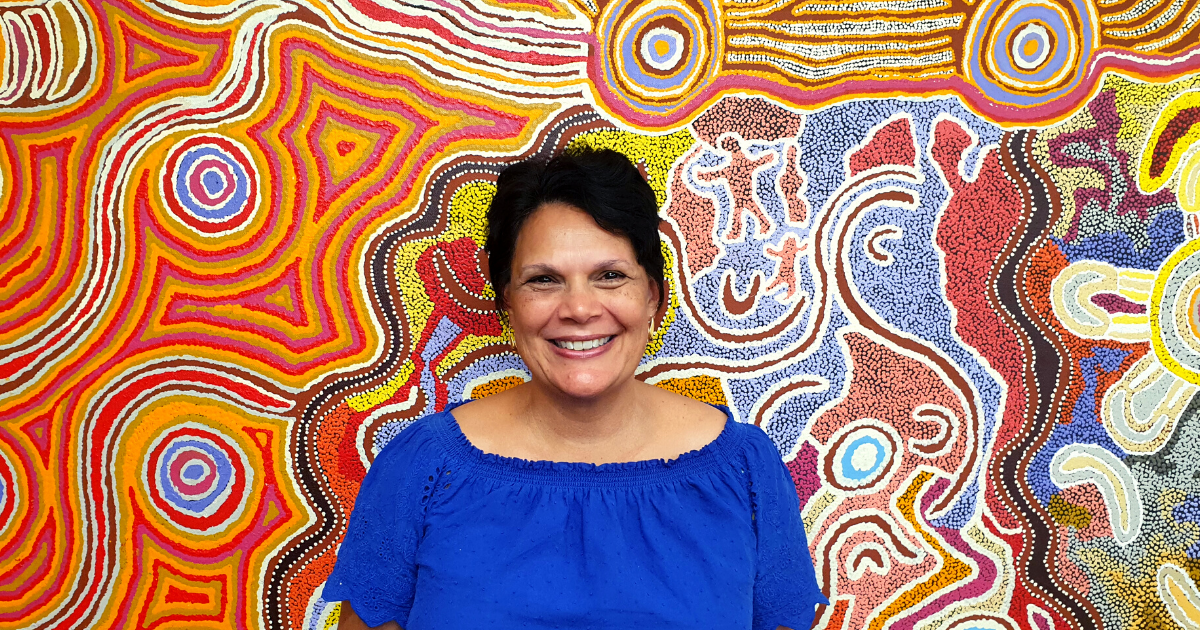
NPY Women's Council welcomes new Deputy CEO
NPY Women’s Council is pleased to announce the appointment of Dr Leisa McCarthy as their new Deputy Chief Executive Officer. Dr McCarthy is a Warumungu woman from the Barkly region and grew up in Alice Springs. Leisa has held extensive roles in Aboriginal health, research, policy and management across her career.
It’s an honour to be a part of the NPY Women’s Council. I look forward to working with colleagues and Anangu across the NPY lands”. Dr Leisa McCarthy
Leisa started her career training to be an Aboriginal Health Worker before undertaking a Bachelor of Applied Science (Nutrition) and Masters in Community Nutrition to work as a Public Health Nutritionist. Leisa has held positions in policy, management, coordination and service delivery at the national, state/territory and local levels in Government agencies and the Aboriginal community controlled health sector.
For the past 15 years, Leisa has been involved in research and has held various roles across Aboriginal health services and research sectors. Leisa has been employed with the Menzies School of Health Research (Menzies) for the past 12 years and obtained a PhD in 2017.
More recently Leisa has worked across two organisations including dual roles as Research Development Coordinator and Nutrition Program lead at Menzies as well as Coordinator of research activities and capacity building of Aboriginal researchers with Central Australian Aboriginal Congress.
We are very happy to welcome Dr Leisa McCarthy to NPY Women’s Council. Leisa’s breadth of experience in Aboriginal health and research will be a great asset to the organisation and act to support the substantial work we do in this area across the NPY lands”
We are looking forward to Leisa’s expertise contributing to the strategic and operational development of NPY Women’s Council in our ongoing commitment to Anangu women and families in remote Central Australia”. NPY Women’s Council CEO Liza Balmer
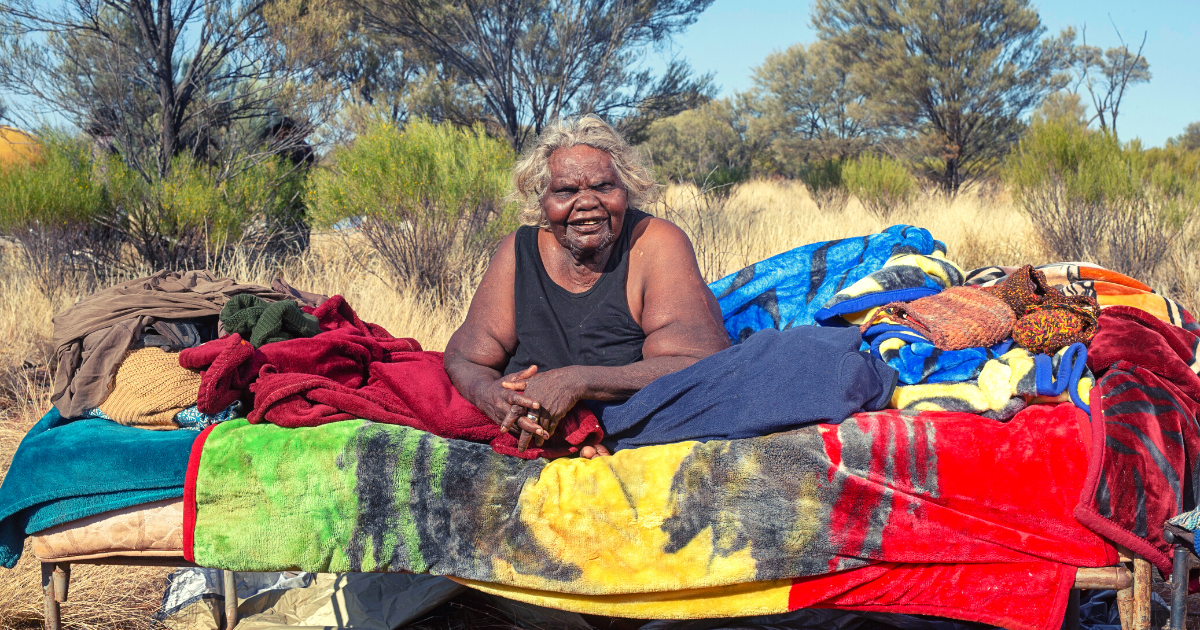
Support for COVID-19 travel restrictions to NT
NPY Women’s Council supports the call to protect remote and regional Aboriginal communities from Coronavirus (COVID-19) by restricting travel into the NT by making the NT and the tristate central desert region a special control area.
“We are extremely worried about our senior members of the community and their susceptibility to the virus. They are our anchors and caretakers of this ancient culture.” NPY Women’s Council CEO, Liza Balmer
NPY Women’s Council as a member of the Combined Aboriginal Organisations of Central Australia attended a special meeting yesterday to discuss the threat of COVID- 19 to Aboriginal communities across Central Australia.
“All organisations were really clear that we need to make the entire NT and the tristate region a Special Control Area for COVID – 19. This means that we want to apply the same travel restrictions that apply to international visitors nationally to visitors to the Northern Territory from any Australian jurisdiction.” Combined Aboriginal Organisations of Central Australia
Restricting travel into the NT by introducing a 14 day quarantine for all people arriving from interstate would act to reduce the spread of COVID–19 in what is currently a COVID–19 free region.
While it is critical we have food and supplies moving across borders into the NT, restricting the movement of people across the Territories borders is beneficial to the prevention and spread of COVID – 19 into remote Aboriginal communities.
Currently NPY Women’s Council has stopped travel for all non-essential services staff to remote communities. NPYWC has also implemented restrictions on staff traveling from overseas, NSW or Victoria who will now need to self-quarantine / work from home for 14 days after arrival to minimise risk of transmission. All Staff travelling from other states and territories will be required to self-isolate / work from home for 5 days.
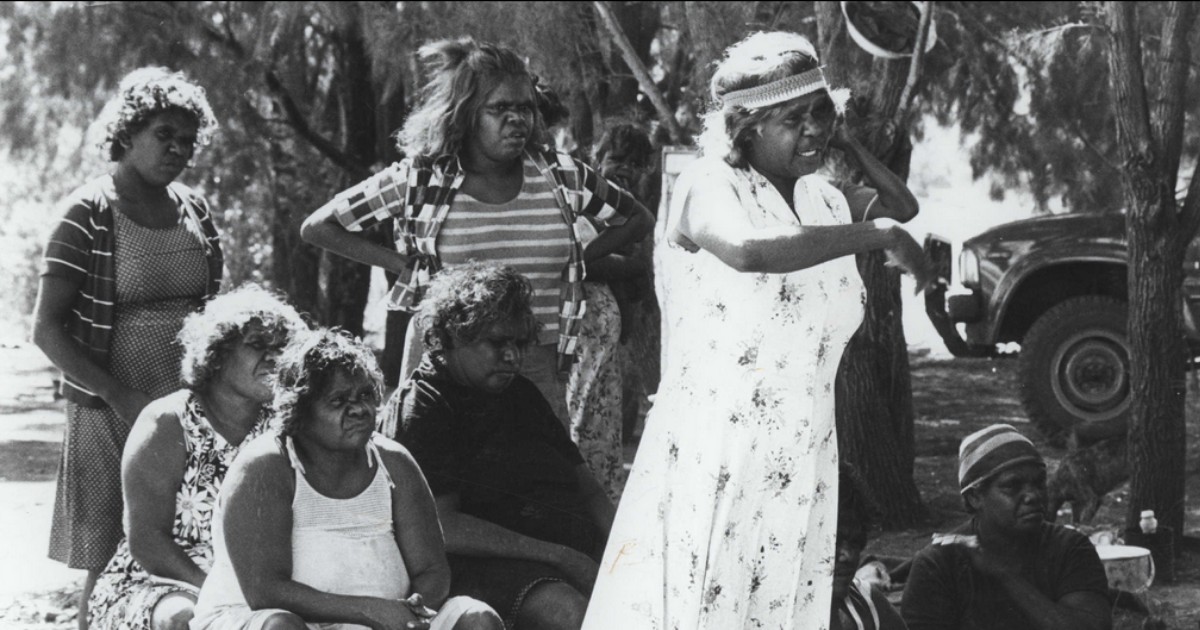
This picture of Purki Edwards AO helps tell the story of strong Anangu women and how they organised themselves in the face of exclusion from important political, cultural and land rights conversations in the late 70’s and early 80’s.
At this time important land right conversations were beginning in the NPY Lands as Anangu were understanding that they were being governed from afar and their land was under the control of government bodies. The Pitjantjatjara Council was established to support these conversations.
A sign of the times, the meetings were led by male politicians and anthropologists, and attended by Anangu men. Women were present at the meetings, watching from nearby, but were not allowed to speak.
Uneasy to be talking about land in close proximity to women, the Anangu men told women to leave the meeting.
The women knew they had their own important cultural connection to land, and had equal say as custodians of country. They wanted to protect and represent women’s law and country in these discussions.

The cassette
In May 1980, in a caravan in Kalka, Mantatjara Wilson supported by other key Anangu women recorded an invitation on a cassette tape.
It said “I have been thinking about all you women from every community….I have been thinking that we women should hold our own women’s meeting. We should think about having our own female chairperson and our own women’s council.”
Mantatjara talked about her concerns for the whole 2 sides of the cassette. Concerns about being left out of important meetings unable to speak, concerns that resources for communities were only being directed by men, concerns about issues facing families in communities. The cassette was then copied and sent to women all across the NPY lands. The first Women’s Council meeting was held at Kanpi on the 6 & 7 of December 1980 and were attended by 40 women from across the NPY Lands .
NPYWC is celebrating 40 years in 2020.
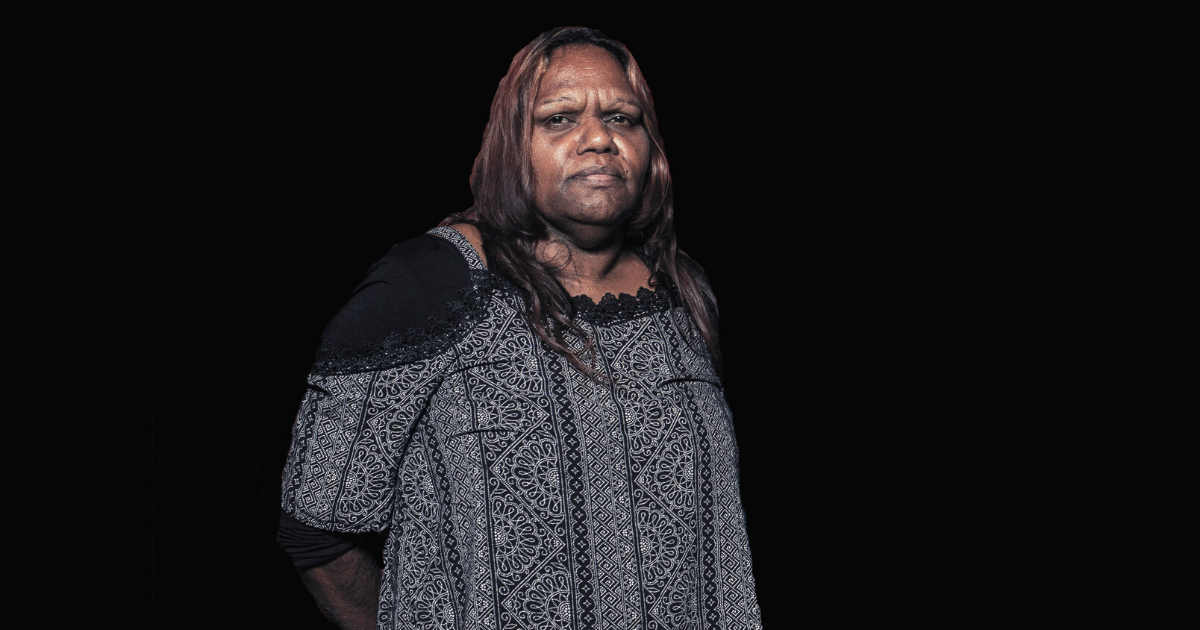
I have found something meaningful to me
“My work keeps opening doors inside of me………….I will never stop doing this.”
In 2018, Dianne attended a workshop run by the NPYWC Domestic & Family Violence Service (DFVS). The workshop was for people that may be interested in working with them, helping Anangu women and families that are impacted by domestic & family violence.
I was a bit shy and nervous Dianne said. But I saw one of the NPYWC Directors, Mrs Smith and she said “I am glad you are here. This is going to change you and your spirit… you will be a different person inside.”
“Listening in the workshop, I thought: I have found something that means something to me.”
Working with the DFVS offers me levels of growing, I keep learning. I began to understand what domestic violence was.
A key job for Dianne in her work as an Anangu Support Worker is translation. For Dianne, translation is not just about changing the words from English to Pitjantjara but also translating meanings and concepts. English has a lot of technical words, especially around the law. Dianne helps create resources and use relatable concepts to help people understand more about domestic violence.
“Many people don’t understand how laws affect them. They don’t understand the power of judges to separate families and what restraining orders mean.”
“My job with the DVFS is like a bridge.”
Dianne and her team also run workshops in remote communities. The workshops create a safe space for women to talk about domestic violence and about what to do if violence approaches their lives.
In the office Dianne plays an important role in supporting women that have been impacted by, or are worried about domestic violence. “I sit with the women and make them feel safe and comfortable. I give them advice on how to think through things slowly so they can work them out.”
Domestic Violence has such negative connotations, sometimes people don’t want to engage with learning about it. “It is important to learn from the past, people in the future need to know the past even though sometimes it is sad.”
About Dianne
Dianne grew up in Kaltjiti (Fregon, SA) and Pukatja (Ernabella, SA). She remembers her childhood playing with friends and family, waiting for the rain to fill up waterholes so she could go swimming, digging for imaginary honey ants and catching lizards. Dianne went up to year 11 at Ernabella Anangu School and went on to study further at TAFE and Bachelor College in 1993.
A talented artist, Dianne has also worked with Kaltjiti Art from 1996. In 2001 Dianne began a teaching degree with AnTEP through the University of South Australia and completed this in 2007. She worked as an Anangu teacher at Ernabella Anangu School from 2008 and continued up until 2015. Dianne has been with the NPY Women’s Council DVFS team since 2018.
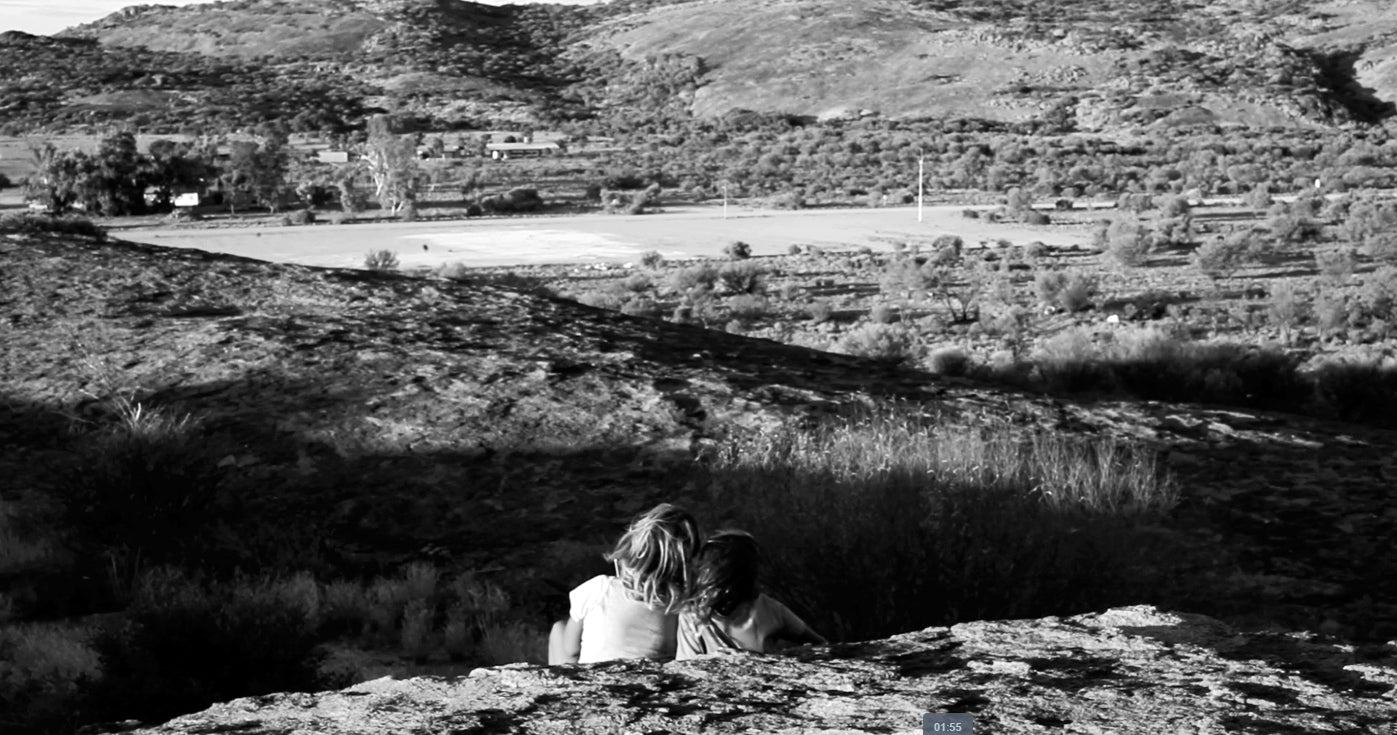
NPY Women's Council opposes Cashless Debit Card
NPY Women’s Council (NPYWC) opposes the Federal Government’s proposed mandatory roll out of the Cashless Debit Card in the NT, or more broadly throughout Australia. NPYWC believes the scheme will create a lack of empowerment for impoverished people and not address the root cause of poverty and substance misuse.
Recipients of Centrelink income are currently subject to the Basics Card, brought in by the Howard government in 2007 as a part of the NT intervention. The Basics Card quarantines 50 per cent of recipients’ income for use at approved stores, compared with the opportunity for 80 per cent on the proposed Cashless Debit Card (CDC).
There is no conclusive research or evidence to suggest that the CDC will address its key objectives of ‘alleviating poverty, alcohol abuse or encouraging employment’. NPYWC believes the introduction of the CDC will negatively impact remote income recipients who are already living well below the poverty line and live in very fragile financial ecosystems.
NPYWC advocates that the causes of poverty and substance misuse in remote communities are urgently addressed in a qualified way; and that the financial cost ($1.7 million)of transitioning people to the CDC would be better spent in services that support people to achieve this, such as early job creation for school leavers.
The CDC will act to disempower remote community recipients and bring them “back to when our ancestors first walked into the missions and were fed by rations.” NPY Women’s Council Director, Maime Butler.
Remote communities have not been consulted in relation the CDC roll out and have not been able to provide input to how this will affect their lives where the reality is that no matter what kind of income management is implemented, people are still living well below the poverty line with little access to permanent employment.
A national one size fits all CDC model does not consider remote community income recipients who:
· pay substantially more for store bought goods than anyone else in Australia due to freight costs
· speak English as a second language, finding it nearly impossible to access Centrelink phone support without translators
· operate in a different cultural environment where resources are shared according to family obligations
The CDC will not reduce violence or poverty and may act to exasperate it as more pressure will be placed on community members with cash incomes to share what resources they have.
NPYWC does support voluntary engagement with the scheme.
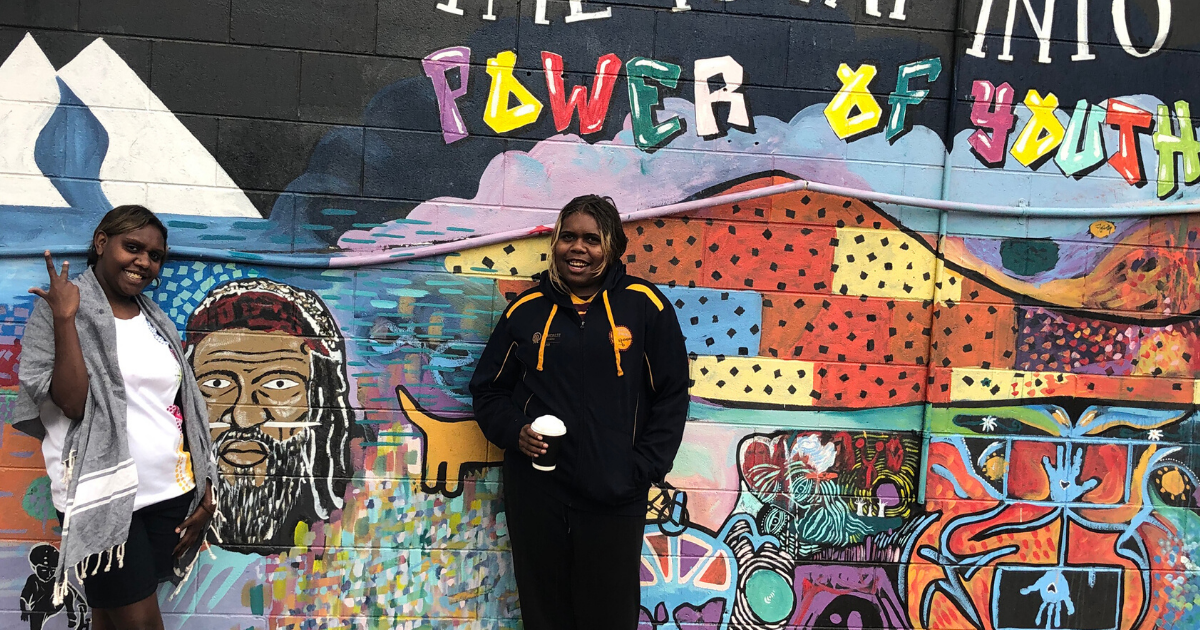
From Kiwirrkurra to boarding school & back
From one of Australia’s most remote and isolated communities to the bustling city, Lydia Ward and Tanella West made a brave and giant leap that has inspired them to support youth in their home community of Kiwirrkurra.
Located in the Gibson Desert, Kiwirrikurra is home to Pintubi, including the Pintubi Nine, Australia’s last family of nomadic Aboriginal people who only made contact with white settlement in 1984. Lydia Ward is the daughter of one of the Pintubi Nine.
Both Lydia and Tanella were encouraged by their family to attend boarding school. For some Anangu youth, boarding school is a good education option providing a wide range of learning and social experiences. NPYWC’s Youth Service Boarding School Program supports interested young people and their families to access boarding school programs.
Starting at boarding school was a big adjustment, Lydia’s first day at La Salle in Perth was “the scariest moment of my life”.
“When I got there I was feeling shy around them other whitefella students but then the next day they taught me to be brave and happy.” Lydia said.
Lydia’s favourite school subjects were religion and sports. Tanella loved maths and history. Boarding allowed Lydia & Tanella to explore and understand the city, go to movies, hang out at the beach and meet new people. Favourite boarding house meals were chicken curry and chicken and rice!
Last year, Lydia completed year 12 at La Salle College in Perth. Completing year 12 is a massive achievement for remote community students who may have to overcome significant cultural and language barriers to engage with the school system. The NPYWC Boarding School program supports students in their journey ensuring they are equipped practically and emotionally to engage with their new school setting.


On returning back home to Kiwirrkurra, both Tanella and Lydia approached the NPYWC Youth Service about a job. Both are now employed by NPYWC as Anangu Support Workers helping to run programs that encourage the development of young people in their community.
“Because we are local, we understand our community- our culture and language …. this helps with the kids….we have also been in their shoes and grown up just like them so that is something that makes our relationship with the kids strong already.”
“Working together is really good, we respect each other, we talk to each other if there is a problem and sort it out together….”.
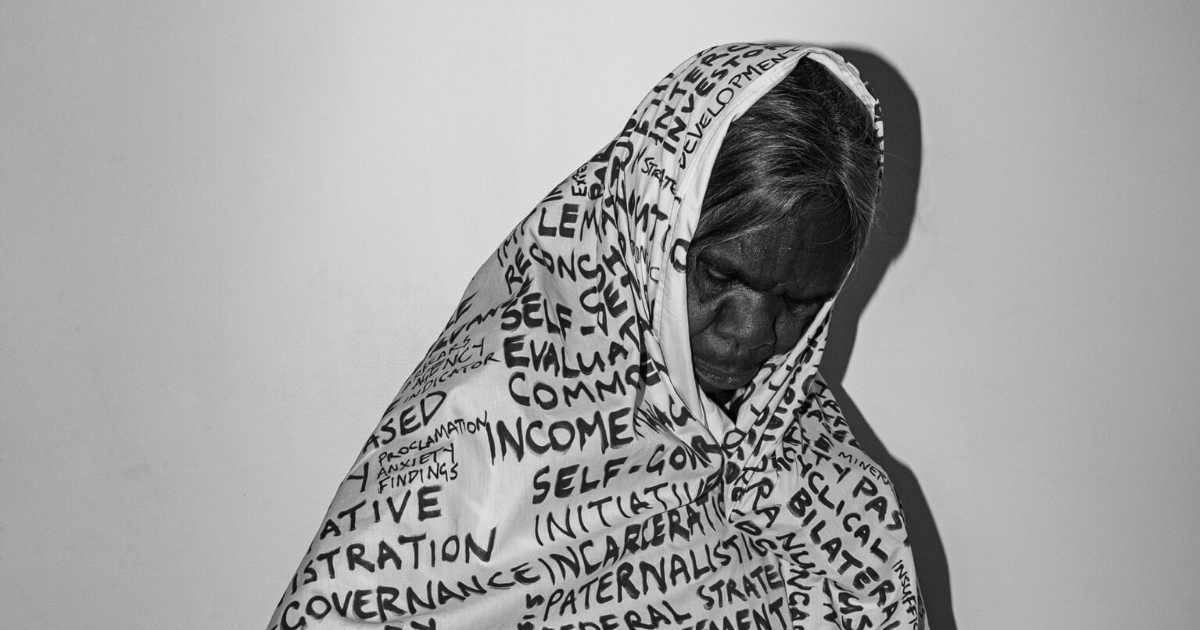
Pulangkita pitjangu (When the blanket came)
“I want to light a fire in you…….light a fire with spirit and knowledge.”
Behind the National Photographic Portrait Prize 2020 finalists Rene Kulitja & Rhett Hammerton’s work!
Rene Kulitja is a passionate Pitjantjatjara woman driven by a desire to enrich and care for the lives of Anangu people.
Rene was born at Ernabella/Pukatja (SA), then a remote Presbyterian mission. The mission was founded in 1938 by Charles Duguid, who insisted that all his missionaries learn Pitjantjatjara and that children be taught in their own language.
Growing up in the APY Lands in a world rich with culture, law and spirit, Rene now sees things changing:
“Today I see something happening. I see something coming towards us, something has come into our world……”
“This blanket represents English that is coming and pressing me down, I can only see through a tiny hole. I feel smothered by the blanket of English.”
“This blanket has come and covered over our language”
“I think a lot about the two worlds that we live in now – the non-Anangu world, whitefella world, the mainstream world, and the Anangu cultural world. I think about how to work within both worlds, how to bring them together so we’re supporting each other with strong knowledge about both worlds. And I think about how to pass on my experience and knowledge to my children so that they stand strong in their culture, stand strong in the two worlds.”

Rene Kulitja
Rene is a NPY Women’s Council Director, an artist for Tjanpi Desert Weavers, founding director of Walkatjara Arts and chairperson of Maruku Arts Governing Committee. She is an environmentalist, chorister with the Central Australian Aboriginal Women’s Choir, member of the Uti Kulintjaku mental health team at NPYWC, dancer, women’s rights advocate, law woman and grandmother.
Rhett Hammerton
Rhett is a long time photographer for NPY Women’s Council with many years working in and around remote communities. Rhett has built friendships and the confidence of many of his Anangu subjects. He works with a respectful and considered approach focusing on collaboration, inclusivity and adherence to cultural protocols.
Rhett has a background in Photojournalism and a growing visual arts practice.
Vote for Rene & Rhett in the National Photographic Portrait Prize Peoples Choice Award
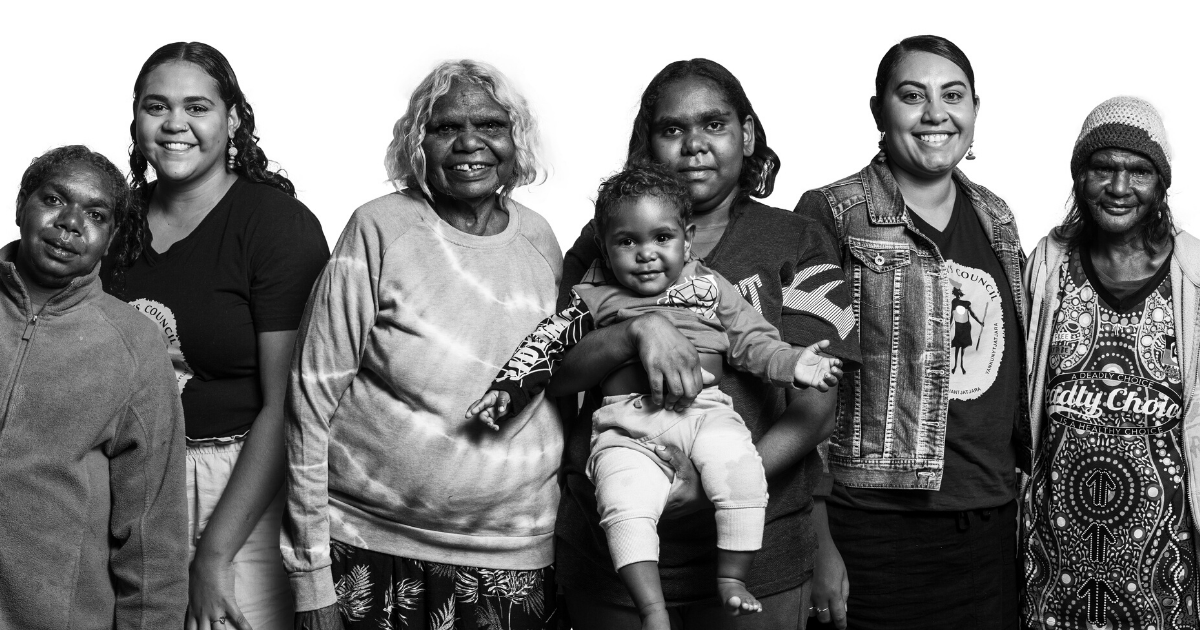
Tailoring services to succeed in remote communities
A diverse set of cultural and language barriers can prevent remote Aboriginal carers access the support available to their urban counterparts.
The NPY Women’s Council’s Tjungu program has now been funded to work with Carers SA, the regional delivery partner of the Carer Gateway, to tailor support services for carers on the NPY Lands. As Regional Delivery Partners, the Tjungu team are able to mirror services in culturally appropriate ways, allowing Anangu carers to gain access to services readily available to urban carers.
These programs are vital in making sure Anangu with a disability are not excluded from support they need:
Carer Support Planning
Many remote carers have difficulty engaging with online systems that require a high level of English literacy and understanding of complex administrative processes to access. The Tjungu Team will work with remote carers to make referrals and reviews on the carer’s behalf, ensuring Anangu with a disability are not excluded from gaining access to funding and support services.
In-Person Peer and Counselling Support
Peer Support & Counselling services are important to allow carers share experiences, learn from each other cope with an often stressful caring role. Currently, many of these services are offered online or by phone. Anangu carers with English as a second language and limited rapport with unfamiliar persons that are not aware of their background or circumstance find this difficult to access. The Tjungu team will support culturally appropriate ways of connecting and facilitating Anangu carers to support each other such as regular bush picnics with Tjungu team support staff.
Carer Directed Support
Remote community carers do not have access to respite services offered in cities such as meal and transport assistance. The Tjungu team will work with carers to establish what support best suits their needs. This may mean very practical support for basic needs such as the provision of linen, bedding and clothing.
Find out more about the Tjungu Aged & Disability Care Service
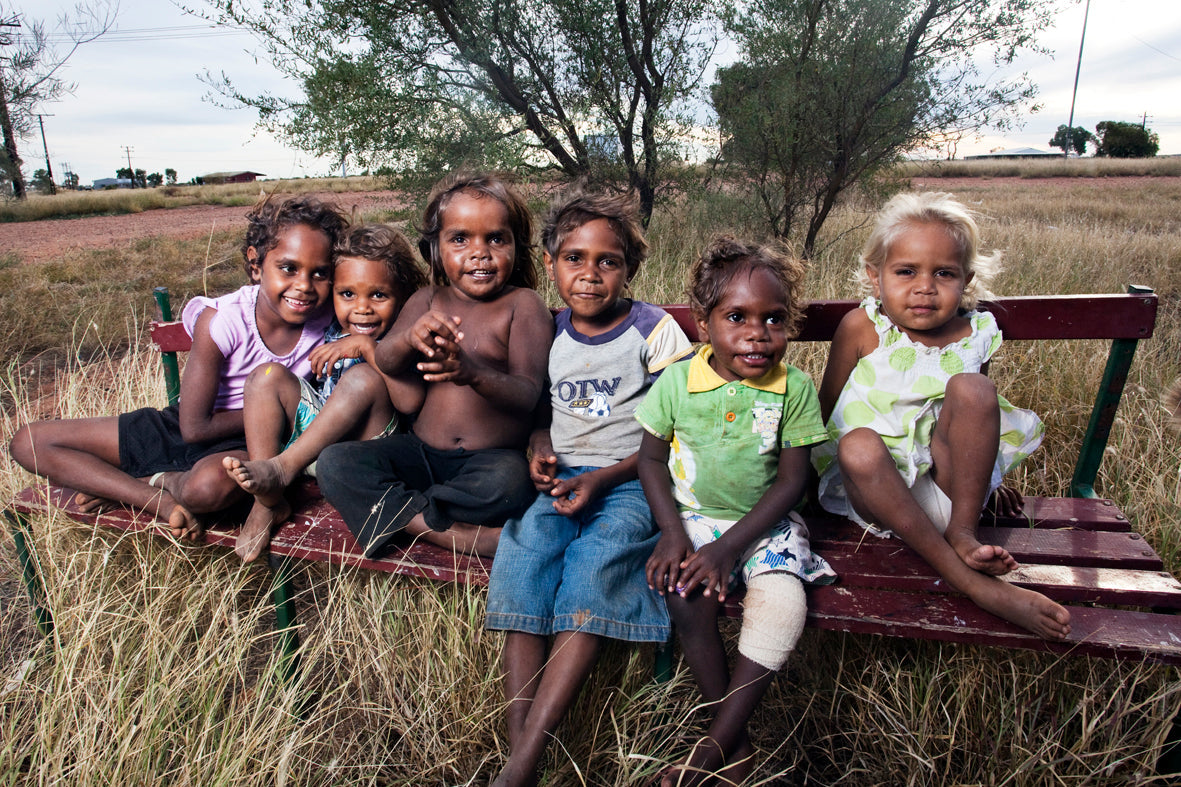
Help for distressed families navigating child protection systems
Since 2014 NPY Women’s Council has been self-funding a Child Advocacy position driven by high demand of requests from families in the NPY Lands for support in understanding child protection issues. Anangu families were struggling to traverse language barriers, understand legal processes and fund travel to visit children placed in care.
Many families were feeling confused, overwhelmed and disempowered.
This work by the NPYWC Child & Family Wellbeing Service (CFWS) has now been recognised. While the CFWS will continues to self-fund this position, a Territory Families Out of Home Care Grant has allowed the CFWS to create a second position. These roles will support families seek reunification, find kinship carers and negotiate the Child Protection system.
“We are very happy to be able to increase our capacity. We are under a huge demand from remote families for this service.” said Shelagh Woods CFWS Manager. “These roles are a one of a kind in Australia and provide a pivotal interface between child protection agencies and families. “
This position will operate across NT, SA & WA boarders, assisting in what has been difficult terrain for families with children placed under care and protection orders within different statutory jurisdictions. Due to highly mobile living situations, families may find they are dealing with several agencies across states and finding children placed in out of home care in a different state far from the NPY Lands. It has been confusing and at times, devastating for families. Families have been having trouble maintaining access to children in care due to significant travel logistics and costs.
This service takes a rights based approach and commits to the Aboriginal Child Placement Principle, that children are best placed within family, community and culture. From this perspective, the CFWS looks to support reunification and kinship care in remote communities. Due to a lack of remote services, families may not be able to access programs that work on behavioral changes required of child protection authorities and reunification plans. Remote areas may also experience a lack of capacity from child protection bodies or other services to support supervised access visits. The CFWS Child Advocacy roles also advocate for interpreters in child protection communication and court processes and spend additional time assisting families understand child protection processes and requirements.
This position will work closely with the NT communities of Kaltukatjara (Docker River), Mutitjulu, Imanpa and Aputula (Finke) and include a broader tristate focus.
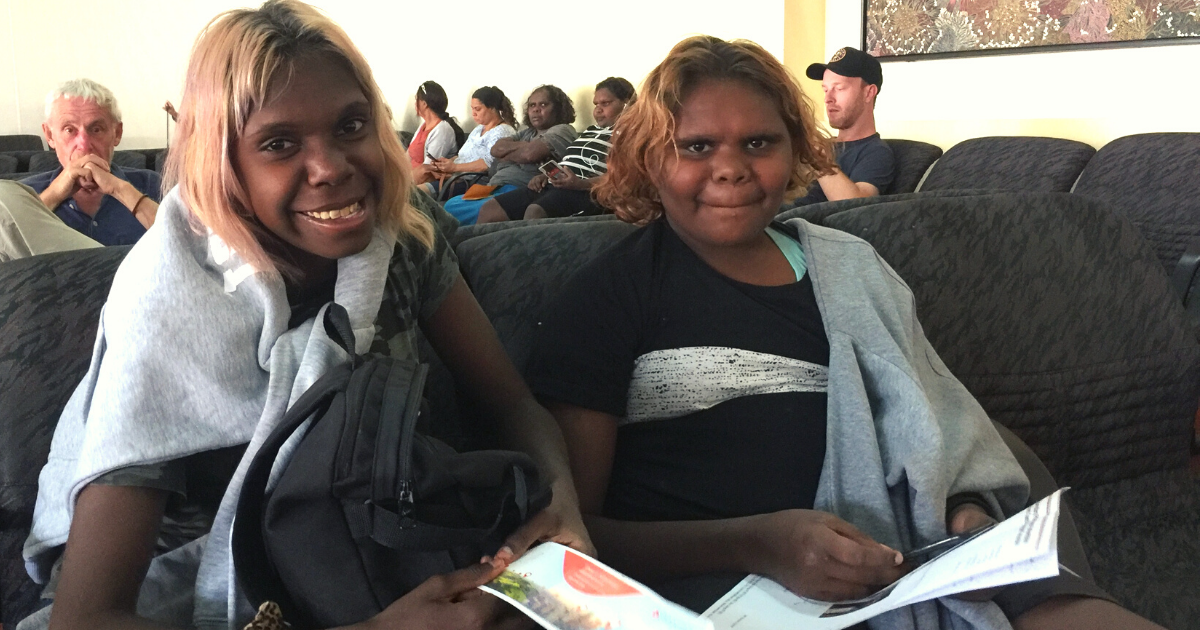
We wish everyone heading back to school in the NPY Lands a good year!
Last week hundreds of young people from the NPY Lands started back at school.
For some, it was a whole new adventure!!
Around 20 students from Pukutja (Ernabella), Amata and Kaltukatjara (Docker River) are travelling to begin boarding school over coming weeks.
NPYWC’s Boarding School Program supports young people in the NPY Lands to access secondary education with the aim of providing diverse educational opportunities and experiences outside a community setting.

In July 2018, NPYWC Youth Service began a pilot project to support young people and their families who were interested in attending school outside their community. So far they have supported 23 young people and have 43 more on the waiting list. The Youth Service has previously supported students as a part of their general activities and this program builds on that work.
Stephanie Burgess from the NPYWC Youth Service Boarding School Program says
there is genuine demand from families to deliver a program that provides an opportunity for young people to have the choice to further their education at a Boarding school.
The program offers people choices around their education. It helps young people and their families think about what kinds of educational experiences they want. It also links families with scholarship providers and schools, and supports the application process.
The students are supported in getting ready for their new experience, learning independent life skills. They may need help with setting up a bank account, accessing Abstudy, money management, clothes shopping and working out travel arrangements.
The program also makes sure the students are well settled in to their new school and have lots of ongoing support from their family and friends.
The Youth Service hopes to be able to offer this program to all NPY communities in the future.
Find out more about the Youth Service
Tax Deductible
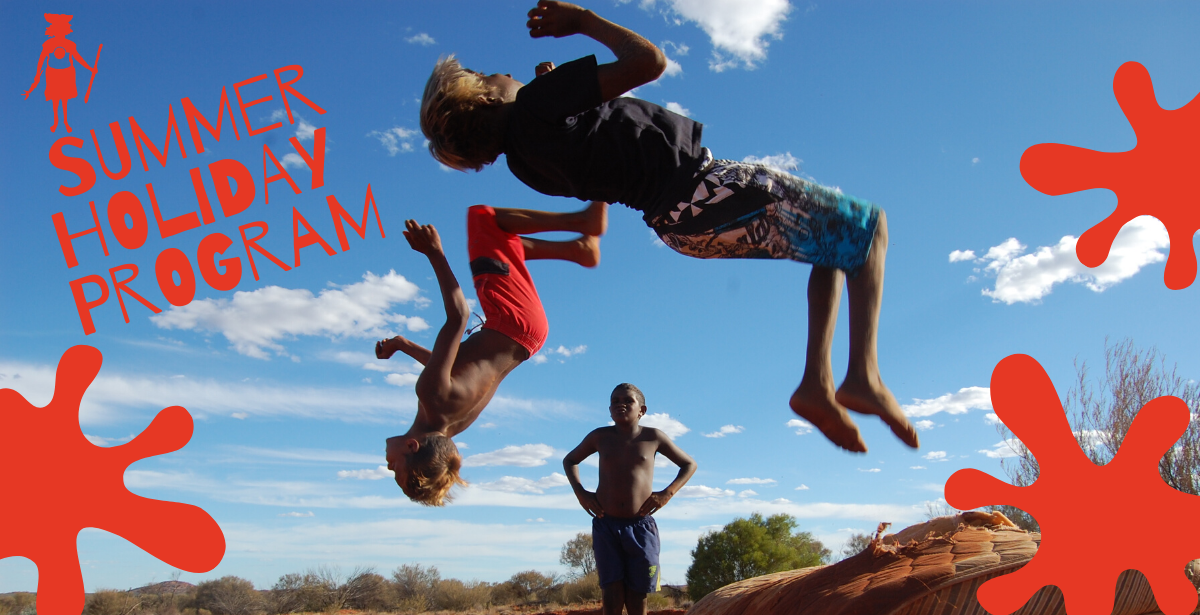
See the 2019 summer holiday program.
NPY Women’s Council Youth Service supports the development of young people in the NPY Lands where more than half the population are 24 years or under.
In most remote communities there are no access to services such as libraries, cinemas or extracurricular activities that young people in cities take for granted.
The NPYWC Youth Service offers fun, safe, culturally relevant activities that support the development of young people and their communities.
This summer NPYWC Youth Service has lined up some great holiday programs in 13 remote communities across the NPY Lands.
Activities include: hair styling, cook ups, bike fixing, movie nights and bush trips.
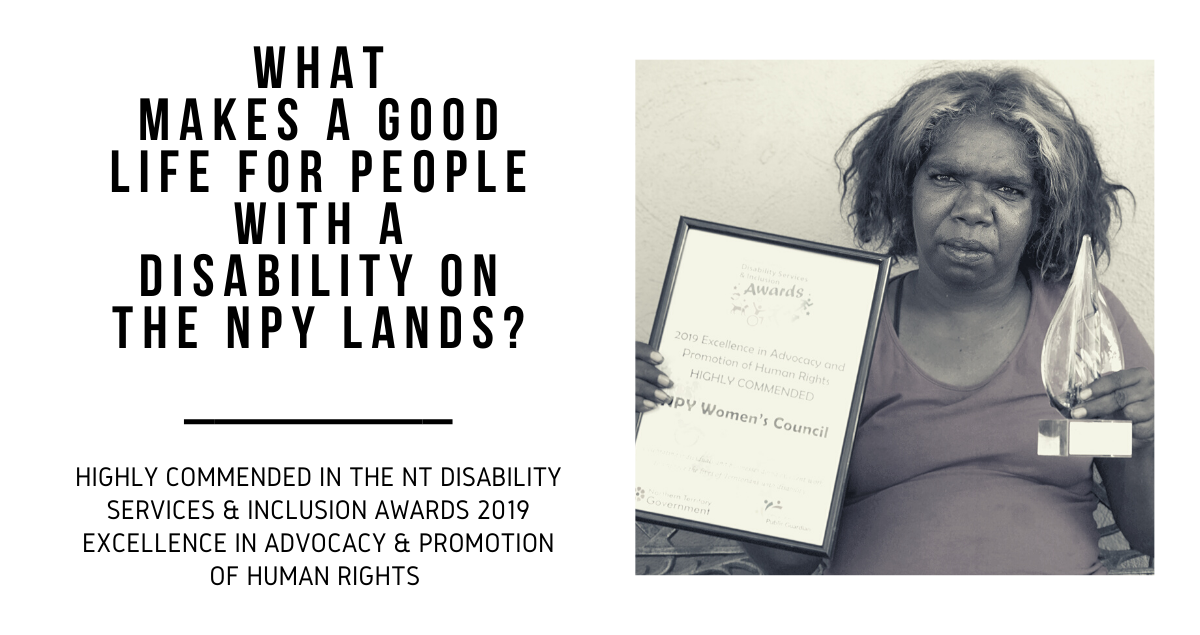
Some things are more important than services
NPY Women’s Council Tjungu Aged & Disability Service is proud to be Highly Commended in the NT Disability Services & Inclusion Awards 2019 Excellence in Advocacy & Promotion of Human Rights for the Research Report “Walykumunu Nyinaratjaku” To Live a Good Life.
This research project was initiated by NPYWC and asked the question, ‘What makes a good life for Aboriginal people with a disability from the Ngaanyatjarra, Pitjantjatjara and Yankunytjatjara (NPY) Lands?
The most significant finding of this research is that Aṉangu and Yarnangu with a disability want to live in their communities, on the NPY lands, with family. This is more important to them than the quality of care they receive, or the availability of services. It is important despite the difficulties they encounter in accessing basic daily amenities including food, clothing and bedding, which remain a major priority for people living in community.
For those Aṉangu and Yarnangu with a disability who are living in community, a good life also means being included and participating in cultural, family and community activities such as arts and crafts, bush trips, bush medicine, music, television and movies, sport, socialising, spiritual life and shopping.
All interactions between Aṉangu and Yarnangu with disability, their carers, service providers and policy makers should be based on internationally recognised human rights and responsibilities. Regardless of geographic location, all people with disability should be able to obtain culturally appropriate support and the services they need to live a good life.
Anangu Domestic Violence worker talks about her job
This drawing is about women sitting down, they have got sadness coming out of them because of trauma and violence. They are scared, they don’t want to talk to anyone, they are alone inside. When they’re inside, they can stay there for maybe a year or longer before they come out.
If they want to come out they have NPYWC case workers and people like that around them. It takes a while but it’s people like family and NPYWC, who can help to make them feel safe. They remember the good times again. It’s hard for them to say what is wrong because they are so scared because of the trauma and the violence.
They come out when they are ready, it happens slowly when they have love, and kids and family around them supporting them. Then they come out of the shell and back on the road to being happy. It’s like they can grow into a beautiful flower with their family, culture and community around them.
Sometimes when we have bush picnics we are all shy but we still encourage each other to speak – it’s alright because we are safe.
This is part of the way we work; we find safe ways to talk to women. We don’t go straight up to someone; we go ‘sideways’. We watch and wait for the right time.
We do things like eating, sitting and talking together, this helps women to feel safe and then they can talk.
Dianne Brown, Anangu DFVS team member.
Read more about NPY Women’s Councils Domestic & Family Violence Service
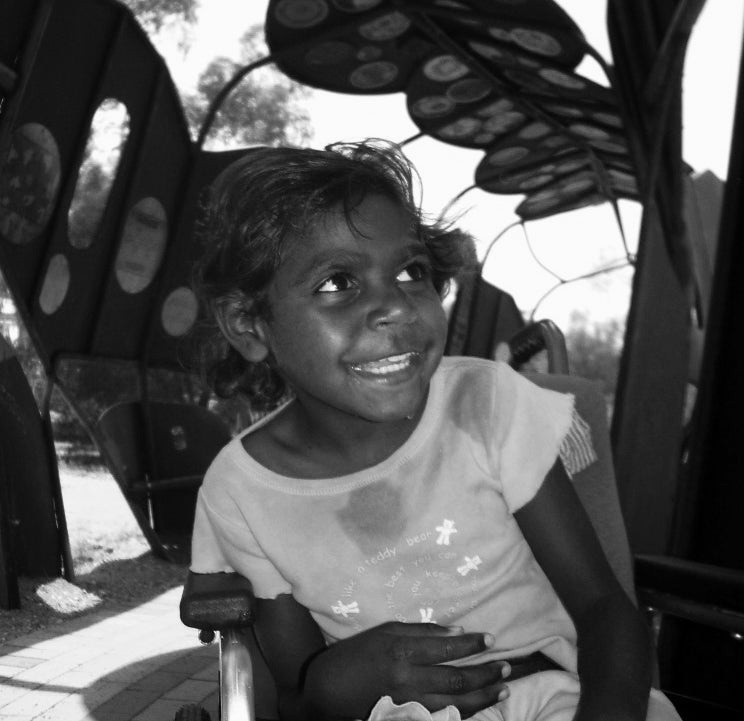
Looking after Children with Disabilities in the NPY Lands

Remote carers of children with a disability raised a number of issues that impacted on their ability to give children the best possible support and quality of life in NPYWC’s Tjungu Service’s new research “Looking after Children with Disabilities from the NPY Lands” .
The research found that many carers had to focus on providing basic needs such as where the next meal was coming from, before being able to consider greater therapy requirements of children.
A major finding was the number of children who had to leave the Lands because of the lack of support services- it was too hard for family carers, who often were frail or chronically ill themselves to support children as they grew.
Some families had been obliged to surrender their parental rights in order to get appropriate help for their children.
Families grieved for their children, who had in turn, lost family, language and culture. People asked for support to find out where the children were, and to visit them. ‘I just want to cuddle my son’, said one man.
Distance to services and the need for greater cultural awareness and relationship building from service providers were also among key findings.
The research was funded by the Australian Research Council and was a collaboration between NPYWC, Sydney University, Poche NT and the Centre for Remote Health NT.
Read more about the Tjungu Aged & Disability Service
Read the “Looking after Children with Disabilities in the NPY Lands” research
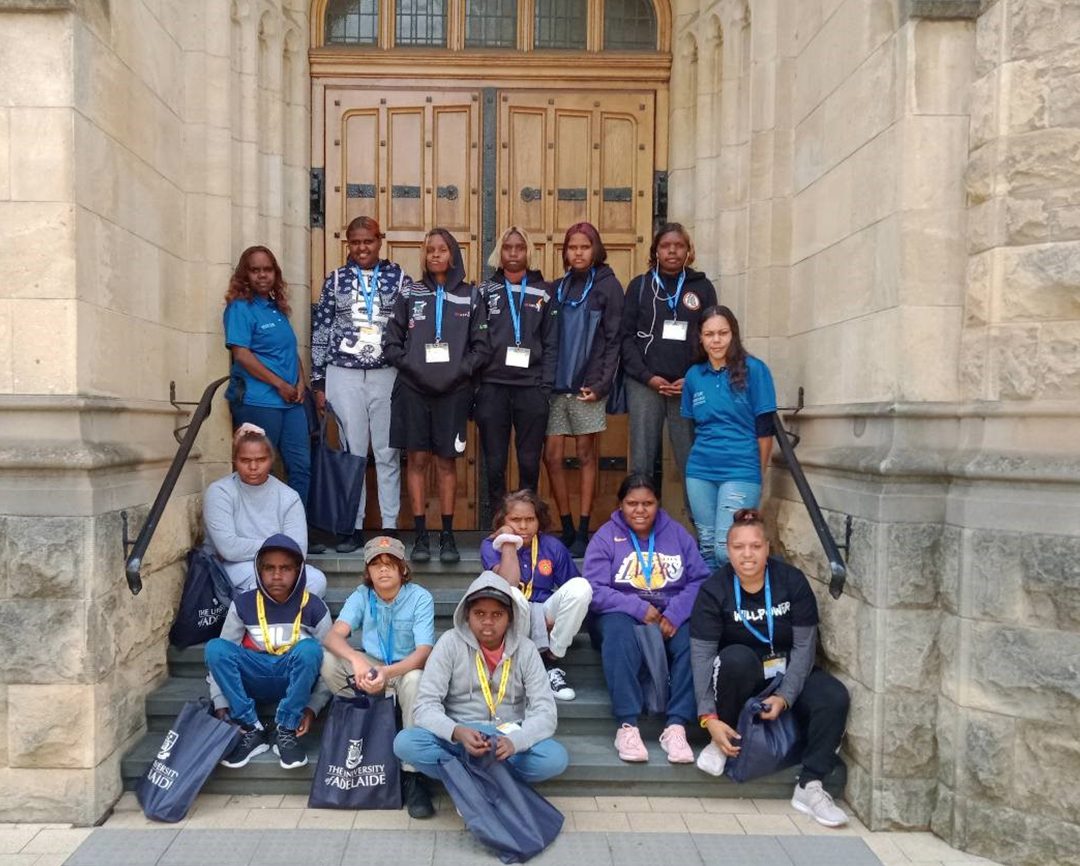
NPY Youth have Adelaide University in sight
NPYWC Youth Service supported 11 young people from Irruntju, Amata and Pukatja to attend and experience Adelaide University. For some, this was their first time in an aeroplane and a capital city.
The Youth Service acknowledges the value and potential of further education and employment pathways for remote Aboriginal youth and aims to make this an ongoing opportunity.
NPYWC’s Youth Program currently conducts a boarding school program targeting students aged 12- 16 to enrol, participate and complete education in boarding schools. The program provides education and information about secondary school options and support students practical travel needs as well as emotional support during their time at school.
In partnership with the University of Adelaide, the youth were able to see what a University is, what it is like to study there and what learning options you can undertake. The Wirltu Yarlu Aboriginal Education Unit at the University introduced the youth to the different faculties and presented lessons in science, physics, engineering and the arts, encouraging everyone to get involved.
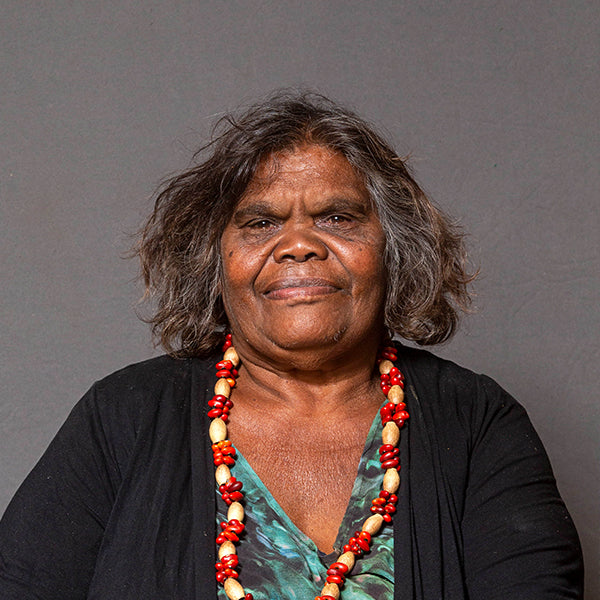
Meet the new NPYWC Board of Directors


Twelve Anangu women from across remote NT, WA and SA have been voted in as NPYWC’s new Board of Directors by members in a secret ballot at the October 2019 AGM near Wingellina WA.
Proudly Anangu directed by women’s law, authority & culture, NPYWC takes guidance from Directors during regular meetings to direct NPYWC’s programs and operation. Governance training is undertaken by all board members and many governance terms are translated into Pitjantjatjara to give the Directors full understanding of their responsibilities.
We are excited to announce Yanyu Bandicha from Pukatja as Chairperson and Kunmanara Smith from Imanpa as Deputy Chair.
We welcome Dorothy Richards, Yangi Yangi Fox and Maureen Baker as new Directors.
The Directors are elected for a two year term.

Aboriginal men enter the conversation on domestic violence in remote communities.
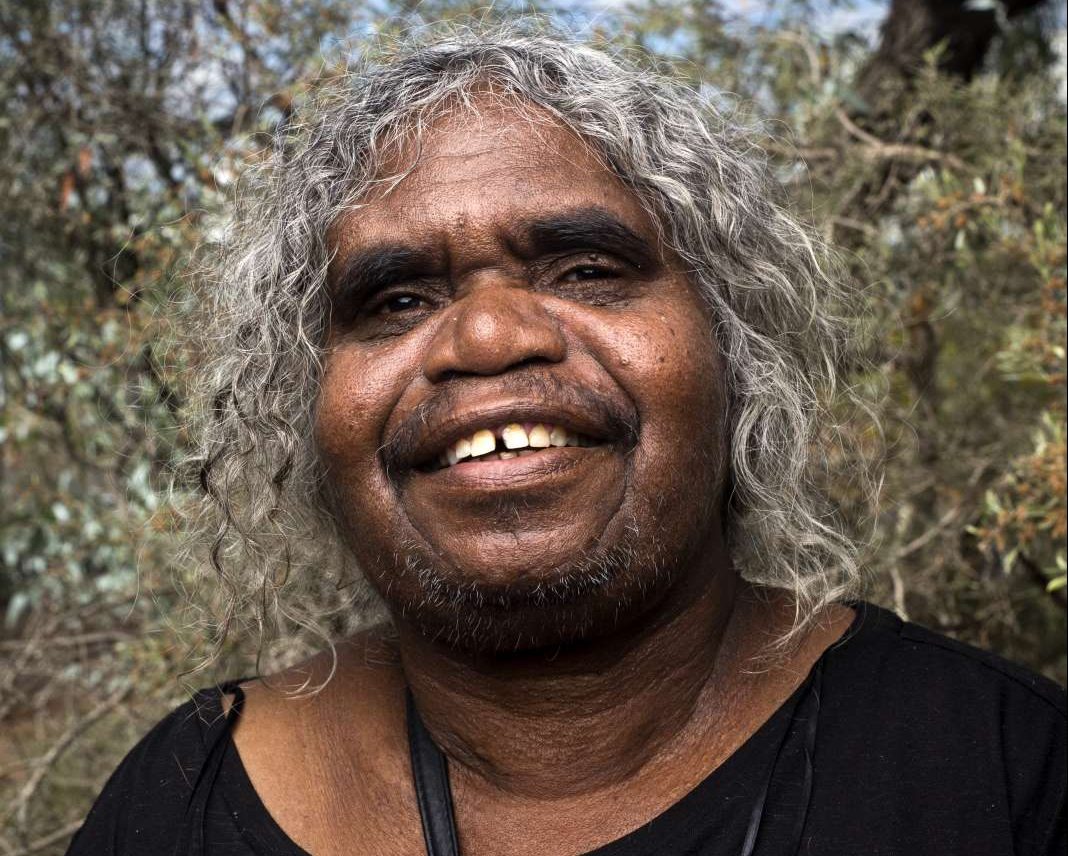
Cashless Debit Card dis-empowering - NPYWC tells Senate Committee
The proposed roll out of the Cashless Debit Card in the NT by the Federal Government could see over 20,000 people have 80% of their welfare payments quarantined.
Speaking to the Senate Committee, Ngaanyatjarra, Pitjantjatjara, Yankunytjatjara (NPY) Women’s Council Director Maimie Butler said the move could be devastating for remote communities.
Recipients of Centrelink income are currently subject to the Basics Card which was brought in by the Howard government in 2007 as a part of the NT intervention. The Basics Card quarantines 50 per cent of recipients’ income for use at approved stores, compared with 80 per cent on the newer cashless debit card.
Ms Butler said there would be huge pressure on people in remote communities who have cash through wages and voiced her concerns about a spike in violence.
“The scheme will create a lack of empowerment for impoverished people and not address the root cause of poverty and alcohol misuse” said NPY Women’s Council CEO, Liza Balmer
If this card does comes along, it’ll take us right back to when our ancestors first walked into the missions and been fed by rations. That’s how it will be,” NPY Women’s Council Director, Maime Butler
You can read more here: ABC News https://www.abc.net.au/news/2019-11-01/cashless-welfare-card-committee-hearing-northern-territory/11662892