

Our Voices, Our Stories
Where the voices, journeys, and projects of the NPY Women’s Council come alive. Here we share perspectives from across our communities; the wins, challenges, and everyday moments that shape our collective story.
Stories
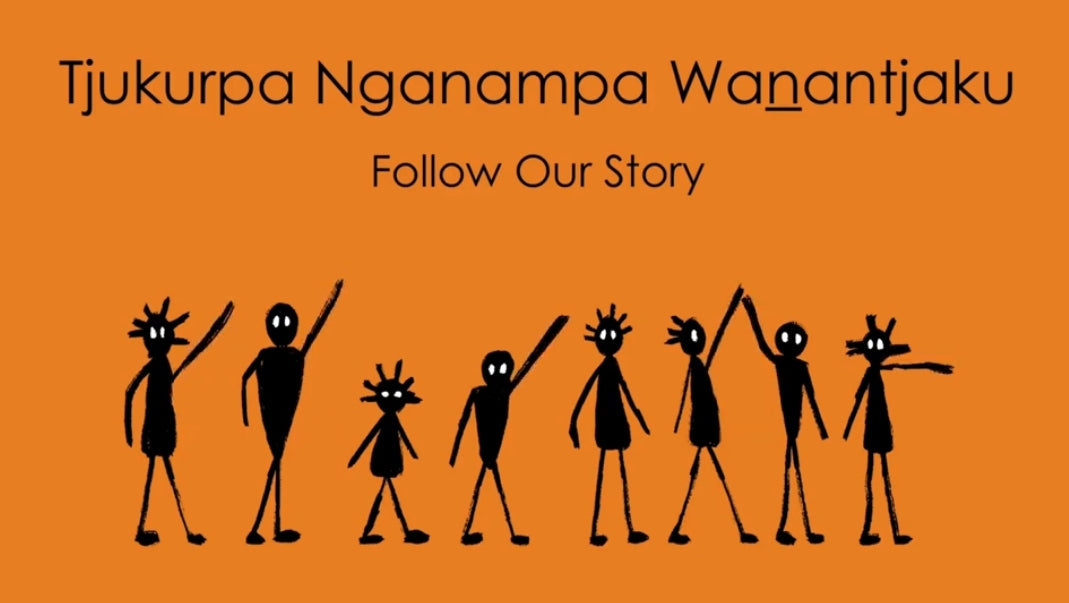
Tjukurpa Nganampa Wanantjaku - Our New Research Guide for Working With Aṉangu
Translating from Pitjantjatjara to “follow our story” in English, Tjukurpa Nganampa Wanantjaku was created by the Research and Policy team at NPY Women’s Council, our Chairperson Mrs Smith, and supporting Anangu Directors. It exists to protect Anangu knowledge and ensure that when research is undertaken, it leads to meaningful, shared outcomes that genuinely benefit community.
Aimed at researchers, potential partners and collaborators, the following animation introduces the guide in Pitjantjara and English through the voice of our Chairperson, Mrs Smith:
Tjukurpa Nganampa Wanantjaku builds upon existing Anangu-led action research models introduced by the late Mrs T Colin of NPY Women’s Council in 1992, alongside decolonised research practices that merge Indigenous methodologies with an Anangu way of being, doing and knowing. This is achieved by clearly identifying and defining the key components of the research framework to ensure the research both is and promotes:

At NPY Women’s Council, we want to continue to build partnerships but make sure the stories stay with Anangu, and that Anangu benefit from sharing their stories.
Through Iwara Wanala (to follow the road/ path), by giving back to community or support community directly through donations from research, Anangu can lead a process of storytelling and take researchers by the hand, to make sure stories are shared on their own terms. The key components of Tjukurpa Nganampa Wanantjaku are also supported by key cultural protocols to consider when working alongside Anangu on the NPY Lands. Our Chairperson, Mrs Smith, believes in the importance of updating our processes and frameworks to preserve Anangu ways of being doing and knowing.
Anangu want a clear understanding of the work you are doing, for us to understand really clear - you know - about research. Through this animation and guide Anangu are helping you understand more clearly.
The animation helps Anangu understand in our own language too you know, it's for you and for us, for both of us, for a clearer understanding about working with us on research. It’s important for you to make sure our voices are heard and to understand more clearly what Anangu need.
-Mrs Smith, NPY Women’s Council Chairperson
The guide helps us continue to meet our strategic objectives of an Anangu-led voice, evidence-based practice, financial sustainability, stronger stakeholder relationships, financial sustainability and a greater promotion of Anangu culture, governance and agency. The protocols outlined in the framework continue to keep the safety and respect of Anangu paramount in our work.
For more information on ethics processes, our advocacy priorities, and how you can engage NPY Women’s Council in your research, please visit our research requests page and complete an expression of interest. You can also contact research@npywc.org.au directly.
We look forward to hearing from you! Palya!
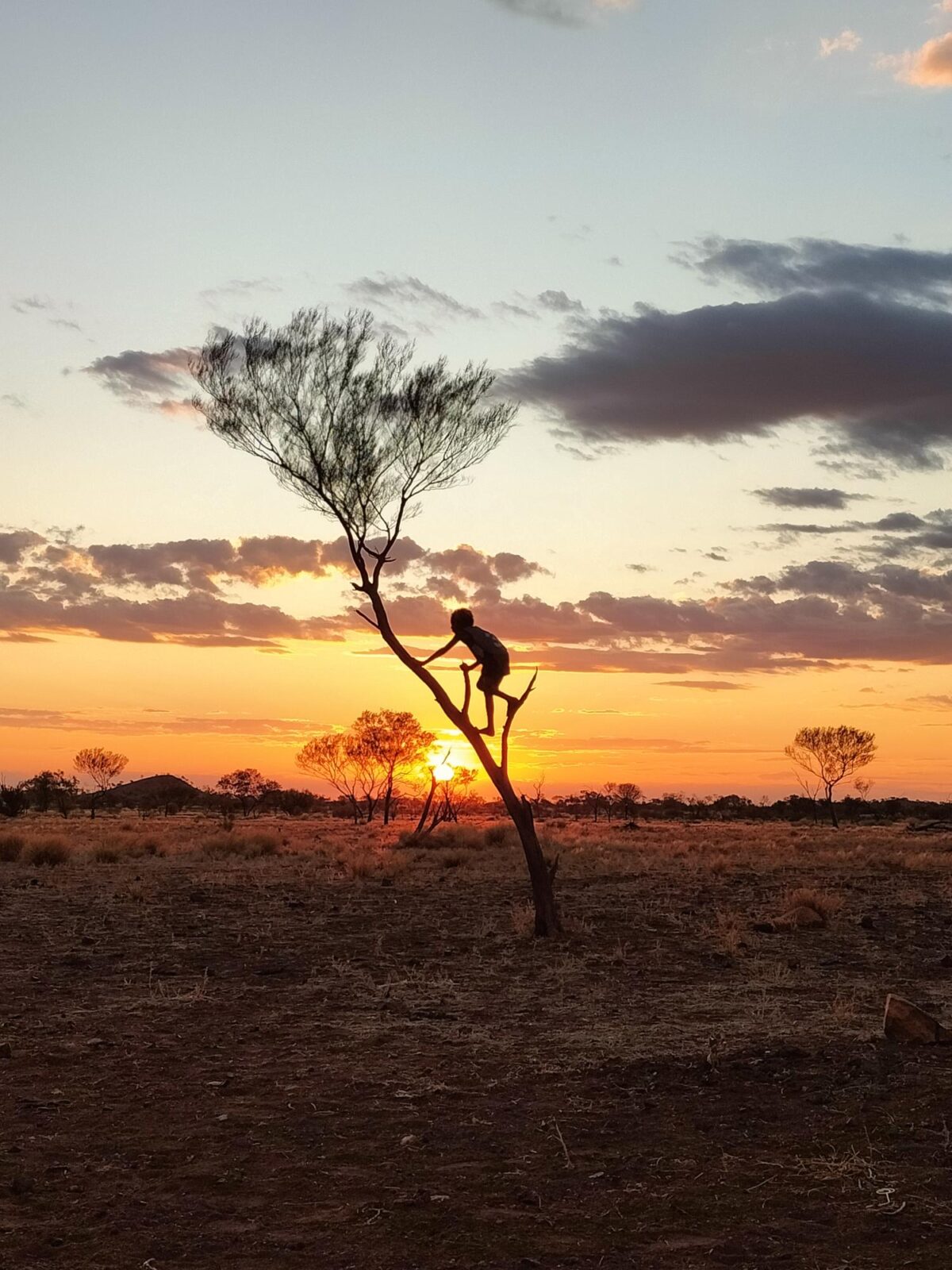
NPYWC Call for Ongoing Protection for Children and Young People
The Ngaanyatjarra Pitjantjatjara Yankunytjatjara (NPY) Women’s Council strongly opposes a series of harmful legislative and policy changes to the youth justice system introduced by the Northern Territory (NT) Country Liberal Party (CLP) Government since August 2024.
In October 2024, the NT Government lowered the age of criminal responsibility to 10 years and imposed stricter conditions on bail, making it more difficult for children and young people to be granted release. In November 2024 the Government announced they would be relocating all children and young people from the Alice Springs Youth Detention Facility to the Holtze Youth Detention Facility in Darwin 1500kms away. NT Department of Corrections have confirmed they will provide no financial support for families to travel to Darwin to visit children and young people incarcerated at Holtze facility.
At ten – we don’t understand crime. – Young person, Imanpa
Most recently, in July 2025, further changes to the Youth Justice Act were introduced, including expanded use of force within detention facilities, the reintroduction of spit hoods, mechanical restraints, and the use of dogs. These practices are harmful and dehumanising. The reinstatement of spit hoods violates Australia’s commitments under key United Nations human rights treaties, including United Nations Declaration on the Rights of Indigenous Peoples (UNDRIP), United Nations Convention on the Rights of the Child (UNCRC) and the Convention Against Torture & Other Cruel, Inhuman or Degrading Treatment or Punishment (CAT). These changes deeply impact the rights and wellbeing of Aboriginal children and young people.
We don’t want to send our kids to jail. We need funding to keep kids active, keep them out of jail and on country. Men and women need to be taught about culture when young and we need to keep it going. Keep it strong. We need young people to make our community proud. – NPY Women’s Council Director
These changes also contradict the recommendations from the 2017 Royal Commission into the Protection and Detention of Children in the Northern Territory, which called for trauma-informed, culturally appropriate, and community-led approaches to youth justice.
Despite Aboriginal Community Controlled Organisations (ACCOs) attempting to provide feedback to the Government for their “reform” agenda, no consultation with young people, ACCO’s, or community organisations were completed prior to the legislative changes to the Youth Justice Act. NPY Women’s Council Directors are concerned that whilst these changes have been made in the Northern Territory, they will have an impact across the tri-state area due to the transience of families travelling across the NPY lands and often, into Mparntwe Alice Springs.
NPY Women’s Council are a member of the Central Australian Youth Justice (CAYJ) Coalition undertaking youth justice advocacy urging the government to address policies that sever Anangu children and young people’s connection to family, culture, and Country, perpetuating intergenerational trauma that echoes the devastating impacts of the Stolen Generations. We support the #RaiseTheAge campaign and stand with other First Nations leaders advocating to end state violence against children and raise the age of criminal responsibility to at least 14 years to align with the recommendation by the United Nations Committee on the Rights of the Child.
Further, NPY Women’s Council expresses strong opposition to the NT Government’s decision to carry out a 12-month trial, effective 1st September, to allow members of the community to purchase, possess, and use Oleoresin Capsicum (OC) spray — commonly known as pepper spray. This policy shift forms part of a broader “tough on crime” agenda that continues to disproportionately target and harm Aboriginal communities. Introducing weapons into the community under the guise of safety contradicts the evidence; such measures are far more likely to escalate conflict than to prevent it, leading to a diminished sense of safety for all.
You know all the Directors we don’t want to create more problems. It’s dangerous. It’s a big risk. It’s going to cause more violence. We don’t want that to come into communities or to be in community stores. – NPY Women’s Council Director
Although the NT Government has stated it is committed to building safer communities, it must shift its focus from punitive measures to addressing the structural conditions that give rise to harm. Communities need investment in housing, health, education and specialist domestic violence and youth services in order to achieve meaningful change. NPY Women’s Council has signed an open letter with Justice Not Jails imploring the government to reverse the OC spray trial and prevent further harm in communities.
Recently NPY Women’s Council met with the Australian Human Rights Commission Children’s Commissioner Anne Hollands as well Minister for Social Services Tanya Plibersek to discuss these issues impacting our communities and highlight our commitment to advocating for children, young and vulnerable people who are disproportionality affected by these policies. We have also engaged in meaningful conversations with state and federal stakeholders at SNAICC’s conference in Brisbane this week, alongside other ACCOs and First-Nations led organisations working towards increased protections for Aboriginal and Torres Strait Islander children across the country.
Most importantly, the voices of children, young people and families must be central to any decision-making about youth justice and criminal justice legislation to ensure that Anangu are not left behind.

NPY Women's Council opposes Cashless Debit Card
NPY Women’s Council (NPYWC) opposes the Federal Government’s proposed mandatory roll out of the Cashless Debit Card in the NT, or more broadly throughout Australia. NPYWC believes the scheme will create a lack of empowerment for impoverished people and not address the root cause of poverty and substance misuse.
Recipients of Centrelink income are currently subject to the Basics Card, brought in by the Howard government in 2007 as a part of the NT intervention. The Basics Card quarantines 50 per cent of recipients’ income for use at approved stores, compared with the opportunity for 80 per cent on the proposed Cashless Debit Card (CDC).
There is no conclusive research or evidence to suggest that the CDC will address its key objectives of ‘alleviating poverty, alcohol abuse or encouraging employment’. NPYWC believes the introduction of the CDC will negatively impact remote income recipients who are already living well below the poverty line and live in very fragile financial ecosystems.
NPYWC advocates that the causes of poverty and substance misuse in remote communities are urgently addressed in a qualified way; and that the financial cost ($1.7 million)of transitioning people to the CDC would be better spent in services that support people to achieve this, such as early job creation for school leavers.
The CDC will act to disempower remote community recipients and bring them “back to when our ancestors first walked into the missions and were fed by rations.” NPY Women’s Council Director, Maime Butler.
Remote communities have not been consulted in relation the CDC roll out and have not been able to provide input to how this will affect their lives where the reality is that no matter what kind of income management is implemented, people are still living well below the poverty line with little access to permanent employment.
A national one size fits all CDC model does not consider remote community income recipients who:
· pay substantially more for store bought goods than anyone else in Australia due to freight costs
· speak English as a second language, finding it nearly impossible to access Centrelink phone support without translators
· operate in a different cultural environment where resources are shared according to family obligations
The CDC will not reduce violence or poverty and may act to exasperate it as more pressure will be placed on community members with cash incomes to share what resources they have.
NPYWC does support voluntary engagement with the scheme.

Cashless Debit Card dis-empowering - NPYWC tells Senate Committee
The proposed roll out of the Cashless Debit Card in the NT by the Federal Government could see over 20,000 people have 80% of their welfare payments quarantined.
Speaking to the Senate Committee, Ngaanyatjarra, Pitjantjatjara, Yankunytjatjara (NPY) Women’s Council Director Maimie Butler said the move could be devastating for remote communities.
Recipients of Centrelink income are currently subject to the Basics Card which was brought in by the Howard government in 2007 as a part of the NT intervention. The Basics Card quarantines 50 per cent of recipients’ income for use at approved stores, compared with 80 per cent on the newer cashless debit card.
Ms Butler said there would be huge pressure on people in remote communities who have cash through wages and voiced her concerns about a spike in violence.
“The scheme will create a lack of empowerment for impoverished people and not address the root cause of poverty and alcohol misuse” said NPY Women’s Council CEO, Liza Balmer
If this card does comes along, it’ll take us right back to when our ancestors first walked into the missions and been fed by rations. That’s how it will be,” NPY Women’s Council Director, Maime Butler
You can read more here: ABC News https://www.abc.net.au/news/2019-11-01/cashless-welfare-card-committee-hearing-northern-territory/11662892
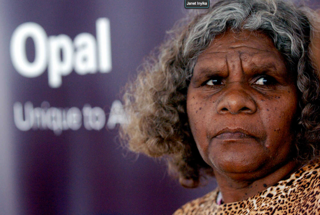
Marking 10 years of Low Aromatic Fuel in central Australia

Press Release
Low Aromatic Fuel 10 Years on and Going Strong: a community-driven solution that has stood the test of time.
This month it is 10 years since Opal fuel first rolled into Alice Springs. This happened on the back of a community campaign and with the support of fuel companies, government and many retailers in the region. It has worked well and 10 years on we have reason to celebrate and highlight this good story.
CAYLUS, WYDAC and NPY Women’s Council are proud of our involvement in this campaign and ongoing work with remote communities to support the roll out of the fuel and other measures for the wellbeing of young people and families. We were not alone in this work, many community leaders took action against sniffing and argued for resources and support that were needed, governments, industry, councils, social service organisations and many concerned individuals all played a role and continue to make regional use of LAF a success.
Blair McFarland CAYLUS Manager stated “Low Aromatic Fuel use has led to a 94% reduction in sniffing in Central Australia. While many new and old challenges persist in the region, this roll out is an example of getting it right, community voices being listened to and community organisations, government and industry collaborating and backing a working strategy over the long term”.
Brett Badger the general manager of WYDAC stated “ 10 years ago, we were worrying about petrol sniffing in the region, kids were getting hurt and sometimes sniffers hurt other people. Board members and staff from WYDAC talked up for using Opal in the region, and especially bringing it in to Alice Springs. We knew from experience in Yuendumu that it is possible to deal with problems like petrol sniffing. Aboriginal organisations worked together to lobby for this and to make it happen and it worked. We need to keep this going but we also need to learn from it about good ways to face other challenges.”
Liza Balmer, Deputy CEO NPY Women’s Council, stated “today is a great opportunity to celebrate a success that we have all achieved together. Sniffing still happens occasionally and can’t be ignored, but it’s not the endemic problem that it once was. A generation of children are now growing up free from sniffing. Unfortunately there is still the legacy of past generations of petrol sniffing and the number of adults with acquired brain injury. And, despite all the evidence, there are still some retailers that do not stock Low Aromatic Fuel, this can be linked to sniffing outbreaks in our region, so there is still some work to do. However, today we want to celebrate the years of persistence and hard work that has led to the roll out of Opal fuel in central Australia and the consequent reduction in the prevalence in petrol sniffing.”
Blair McFarland from CAYLUS stated “with petrol sniffing if we only focused on treatment, case management and other measures that happened once people were chronic sniffers we would still be running around in circles today. There is good evidence to show that we can reduce the levels of crime in our communities through positive measures that take a holistic approach, like good youth programs that empower young people, through using community development approaches, including the right approaches to jobs and education. We hope that this is not missed in the considerations of the Royal Commission.”
A public event to celebrate this milestone will be held tomorrow Oct 27th at the Spinifex Room Double Tree Hilton Alice Springs from 11am. Speakers will include representatives from our three organisations, community leaders who were involved in campaigning for regional use of Opal and Nigel Scullion Minister for Indigenous Affairs.
As a part of the event we will hold the Alice Springs launch of the Monitoring Trends in the Prevalence of Petrol Sniffing in Selected Australian Aboriginal communities 2011-2014: Final Report from the Menzies School of Health Research. It reports an 87.9% reduction in sniffing in the 17 communities sampled. Hard copies of the report will be available and there will be a recorded introduction from one of the authors of the report Professor Peter d’Abbs.