

Our Voices, Our Stories
Where the voices, journeys, and projects of the NPY Women’s Council come alive. Here we share perspectives from across our communities; the wins, challenges, and everyday moments that shape our collective story.
Stories
One Place, One Number, One Story, One Spirit
Following decades of strong advocacy from Anangu and Yarnangu minyma tjuta (women) and their communities, Ngaanyatjarra Pitjantjatjara Yankunytjatjara (NPY) Women’s Council is proud to launch Ngura Kutju in Mparntwe/Alice Springs.
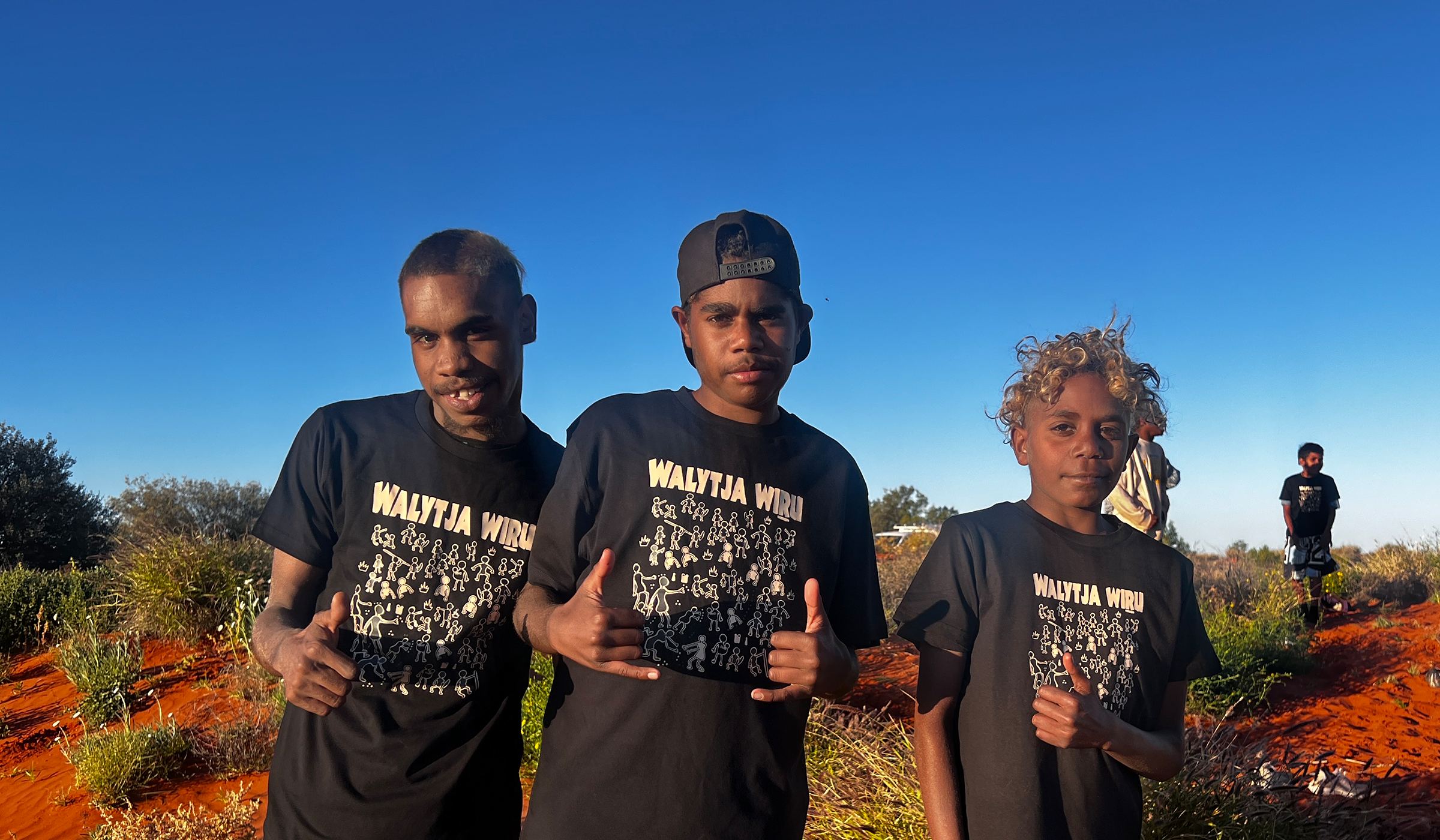
Community-Led Campaign to Celebrate Strong Families
In communities across the NPY Lands, we asked: What do strong families look like to you? The answers sit at the heart of Walytja Wiru, a community-led project developed through NPY Women’s Council’s Walytjapiti program alongside Chairperson Margaret Smith and community members.
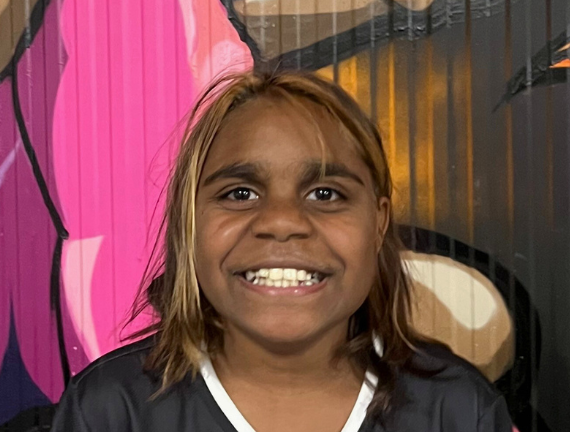
Reshaping the Narrative on Aboriginal Youth
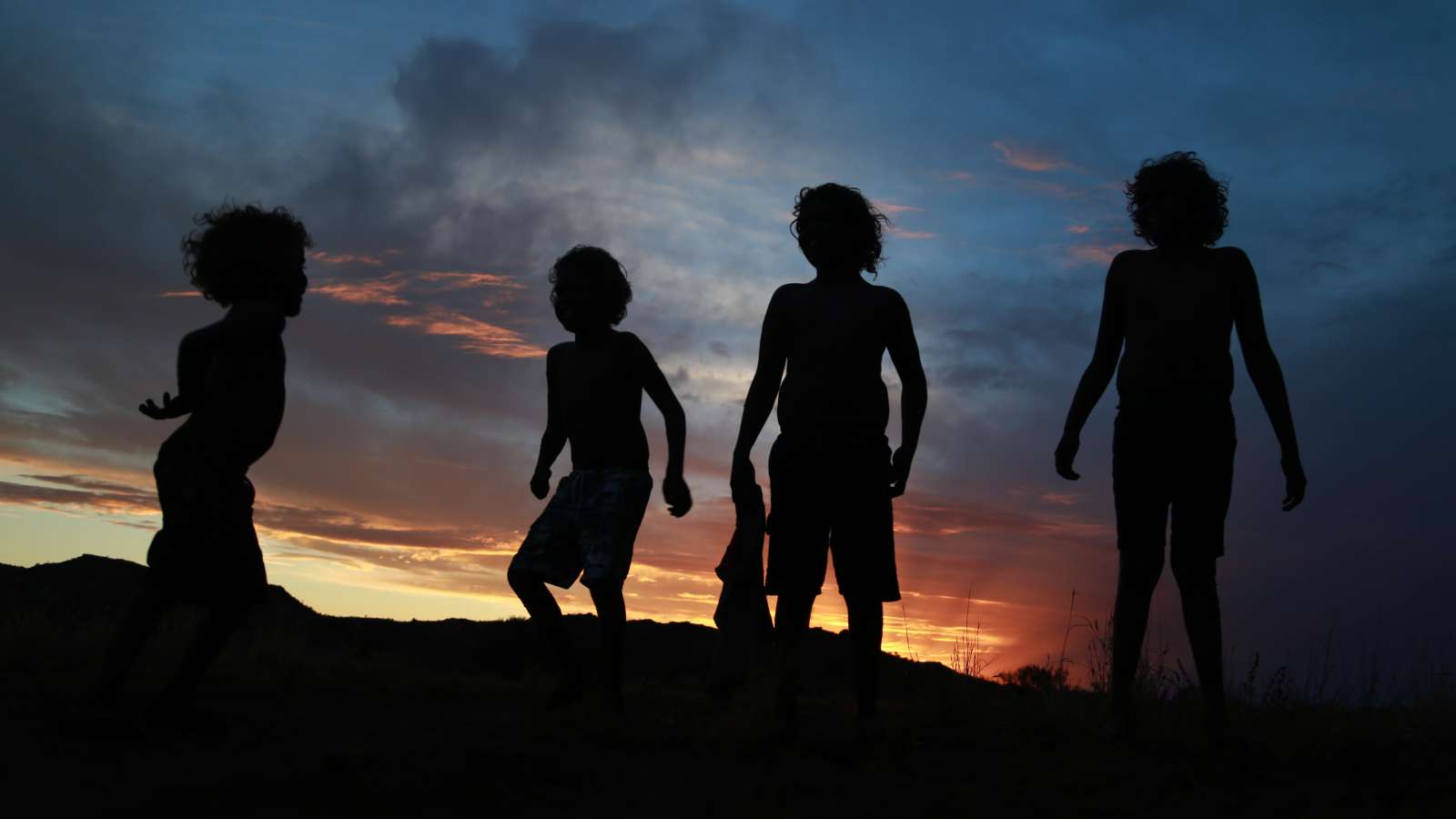
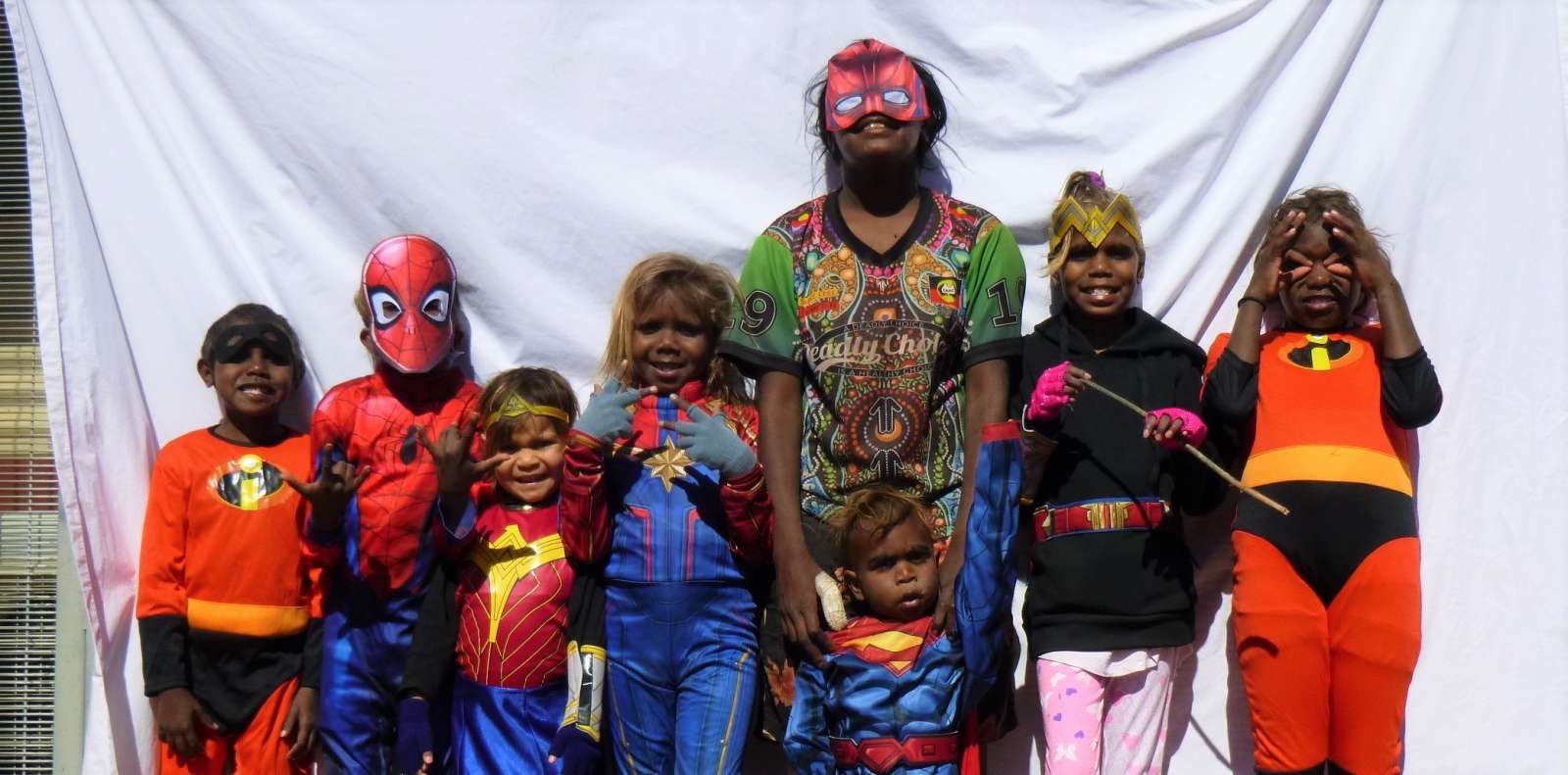
Children and young people in Imanpa have transformed their stories of strength and culture into powerful superhero characters
The Anangu Superhero Project was designed to give young people an opportunity to shape the narrative surrounding Indigenous youth and showcase their ‘powers’ of wisdom, strength, safety, courage, love and culture. The project encouraged young people to reflect on their own heroes at home and in community, and see themselves as powerful in a positive way. The project amplified young people’s voices, reinforcing their sense of belonging and influence in the world.
Here are a few of the amazing superheroes created:
Wati Mai (food man) – Jimarcus

Brings starving people bush food when they are hungry. Feeds homeless people, gives them magic water, malu, bush banana, yam, tinka & ngintaka.
Kungka Wanka (spider girl) – Nikea

Helps kids stay safe. Comes out at night. Throws webs.. Scares kids to go home and makes them go to sleep ready for school.
Wati Tjina

Wati Tjina helps people who are lost and help them find their way home. He knows all the tjina (footprints) of every person and animal in central Australia.
The project included a range of deep explorations with the young people including the project being embedded into the local school’s (Nyangatjatjara College) curriculum, character development, reading about superheroes and connecting concepts to everyday life. The heroes were painted onto the Imanpa youth shed as a mural, during a weeklong program, with activities highlighting youth leadership, food for strength, mindfulness and creativity. The characters have also been transformed into an animation (above).

The project was devised and led by NPYWC’s Anangu staff and community leaders in conjunction the NPYWC Child & Family Wellbeing Service, and was supported by the Imanpa School.
The ultimate power of the superheroes is the voice of the children who created them. This project shows the healing and connection that can be built within communities when Anangu voices are centered and heard.
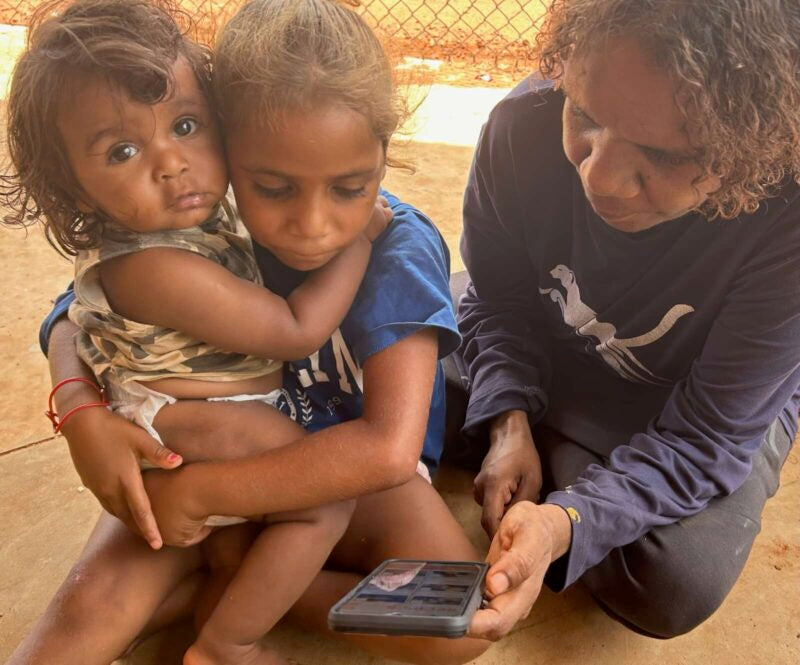
A New Culturally Rich App for Aṉangu Mothers
A collaboration between our Child Nutrition team and Anangu women has created new app to help new mothers navigate babies first foods and nutrition.

The Tjitjiku Mai (children’s food) app features a food database including bush food and food found in community stores. The app also has an interactive recipes library with step-by-step videos, meditations and children’s songs all presented in Pitjantjatjara, Ngaanyatjarra and English.
The app offers accessible, culturally relevant health resources and a step toward improving health outcomes for Aboriginal families living in the NPY lands.

The app has been designed and developed, through consultation with community members and families to specifically meet the needs of Anangu & Yarnangu families living in the remote NPY region of Australia so they can access relevant health information & resources around infant nutrition and introduction of solids for young children.
The Tjitjiku Mai app features aunties, mothers, sisters and grandmothers offering advice and supporting new mothers in what is often a daunting and stressful time for families navigating growing up young children
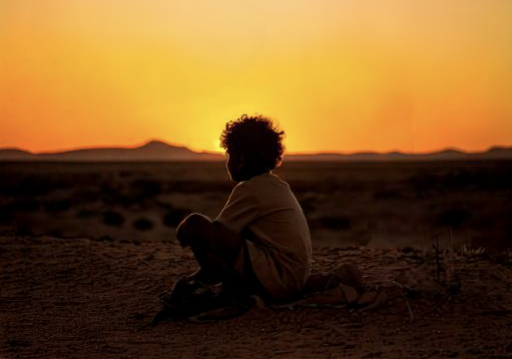


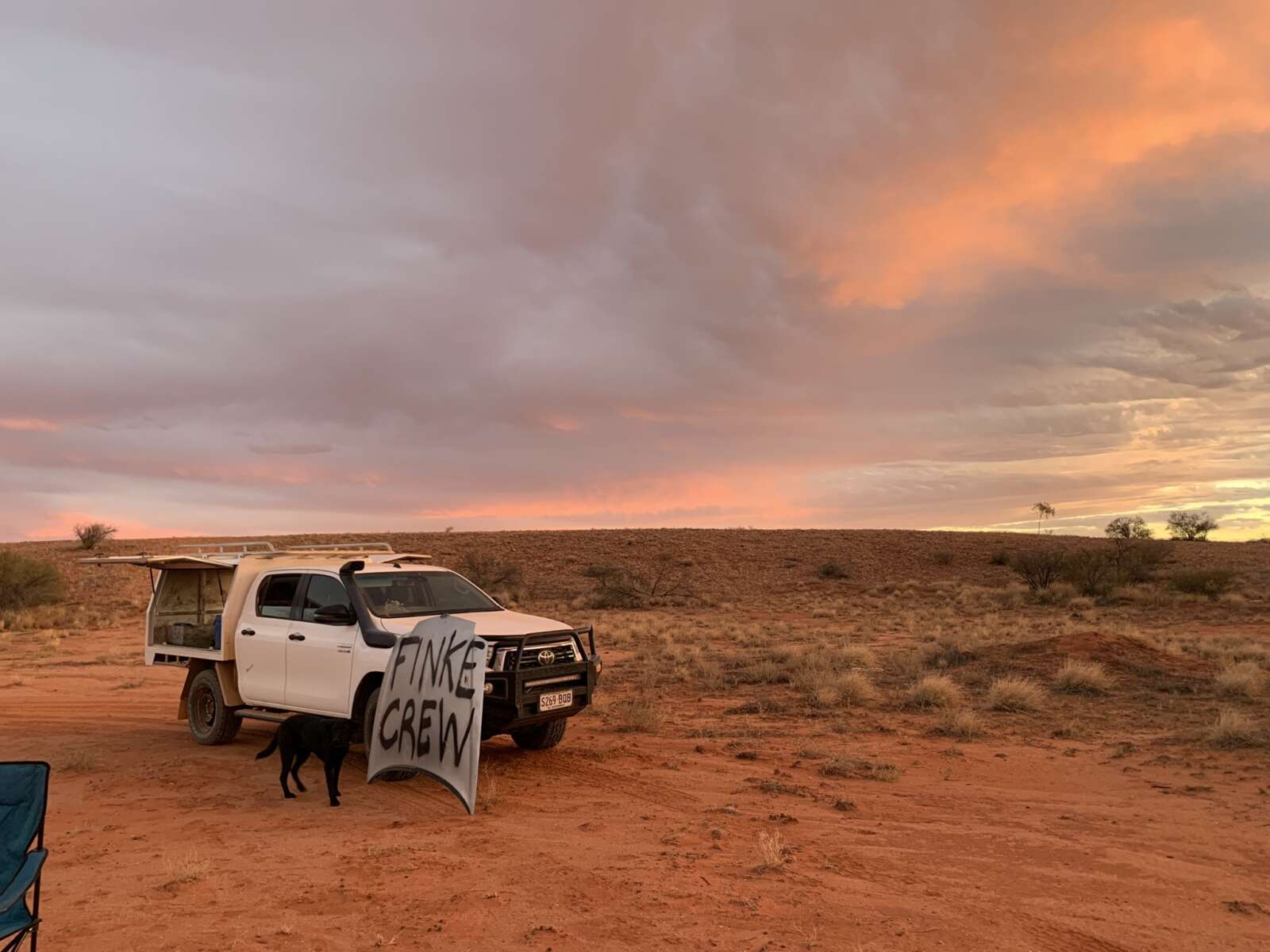
The other night we decided to have a campfire cooking night. We invited some young people through our Youth Service and some people that have engaged with our Walytjapiti team (supporting families with children at risk). The night was so beautiful, we took lots of pictures.

It was really special because two kungkas (young women) attended that have both been staying home a lot and not interacting with others for a while. They were laughing and joking with the other kungkas and helped to prepare and cook dinner, which was a really tasty and healthy chicken stew and rice.
At the end of the night when I dropped some girls home, one of the kungkas came back to the car just to say “I had fun tonight”. This was one of the girls who has barely left home for the last month.

NPY Women’s Council’s Walytjapiti program is a voluntary service supporting families with children aged up to 18 years. Integrating Anangu world views and child-rearing practices, we build on the family strengths to keep children safe, happy and protected within their communities and culture.
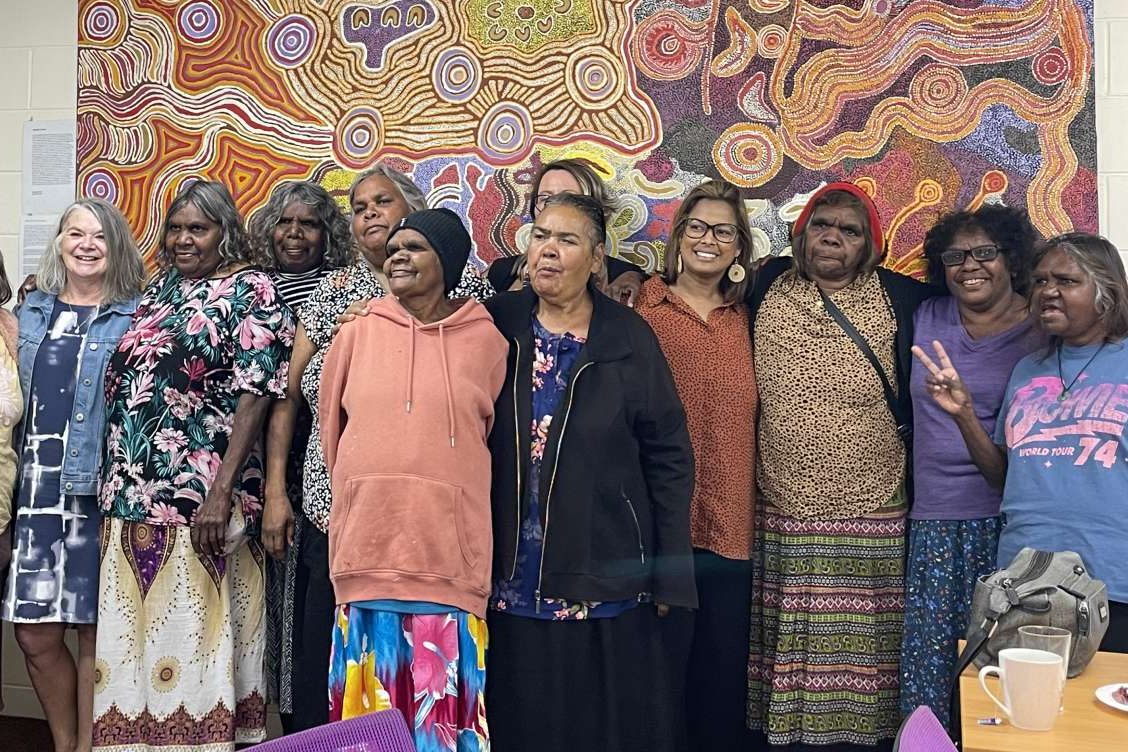
A Song of Children Being Swept Away
Margaret Smith and Rene Kulitja sing a song describing children being taken away by a “whirly – whirly”, the song talks about the impact of children being taken away by Child Protection.
A Grandmother's Two-Year Fight
When a three-year-old was taken into non-Aboriginal foster care, child protection began looking for kinship care. Kinship care is the best outcome for children removed from their parents – it keeps children safe and connected to family and culture.
The child’s grandmother expressed great interest in being the kinship carer. The grandmother contacted NPY Women’s Council to help her understand the process. Navigating beaurocratic systems is always complicated but this is compounded when English is not a first language.
The process became increasingly complicated as the grandmother lived in a different state to her grand-daughter. The family lived in Central Australia at the tri-state junction of NT, SA & WA. During this time the child’s parents also moved across borders throwing the case into a complex limbo across states.
While constantly monitoring and supporting the grandmother seeking to gain care of her grandchild, massive delays occurred due to changes in case direction across states, the difficulty of completing carer assessments across borders, non-transferability of carer assessments, time-lag in transferring the case via the interstate liaison process, the timing out of assessments and delays in probity checks and housing checks. This all amounted to a two year delay in the placement of the child with her family and culture.
These administrative issues also meant that the child had no potential to be re-united with her parent either, even if their situation and ability to parent improved.
NPYWC Child & Family Wellbeing Service consistently advocated for the kinship assessment process to continue, despite the complexities to ensure the young person’s connection to language, culture and country continued. The grandmother was successfully assessed as a kinship carer and the child returned to her family and community in July 2022.
NPYWC will continue to advocate for a cross border Child Protection Framework to ensure that all children in need remain with their family and community, and heartbreak for both child and family is lessened.
Working Together to Ease Border Complexity Heartbreak
In a region where for tens of thousands of years Anangu families have lived, connected by common language, tjukurpa and family – differing state laws and services can cause distress for Anangu carers, families and children navigating the child protection system.
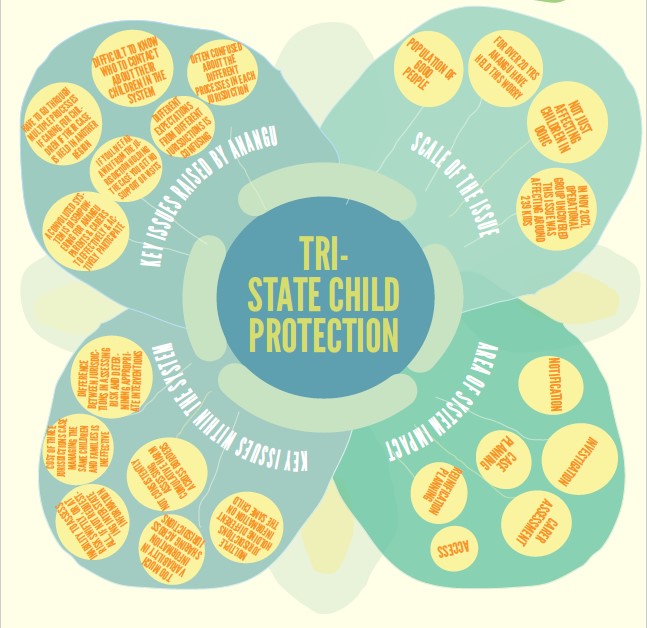
Around 239 children and their families in the tri-state region of SA, NT and WA are engaged with Child Protection services across 3 jurisdictions. Families and carers of these children are experiencing difficulties understanding differing Child Protection rules and expectations across borders.
Families and carers across the tri-state region may face differing processes to access visitation, multiple case workers and multiple process for placement and reunification. NPYWC and state and territory agencies are coming together to see how we can consolidate these process to keep children connected to family, culture and country.

I could pick up a phone and know exactly who I am talking to instead of everyone looking for a case worker. It would make things easier for health departments. At the moment NPYWC is acting like the tri-stateofficer.
Tanya Luckey, Kinship Carer
We have been talking about three states, three governments, three funding’s and three rules. These are all tough laws for us to follow. NPYWC have been trying to make these laws easier, they should just be
dealing with one law.
NPYWC Director, Margaret Smith
In the hope of giving children and their families the best chance of being with family and culture on country, NPY Women’s Council has bought together the NT, WA and SA Child Protection Agencies to work towards a number of issues raised by Anangu carers and families. Concerns include:
- Difficulty in knowing who to contact about their children in the system
- Confusion about the different processes in each jurisdiction
- Confusion in having to go through multiple processes if caring for children when their case is held in another region
- Convoluted systems that become disempowering and difficult for Anangu parents and carers to effectively and actively participate
- Different expectations from different jurisdictions
- Lack of support to access visits to children if children are in a different state or territory
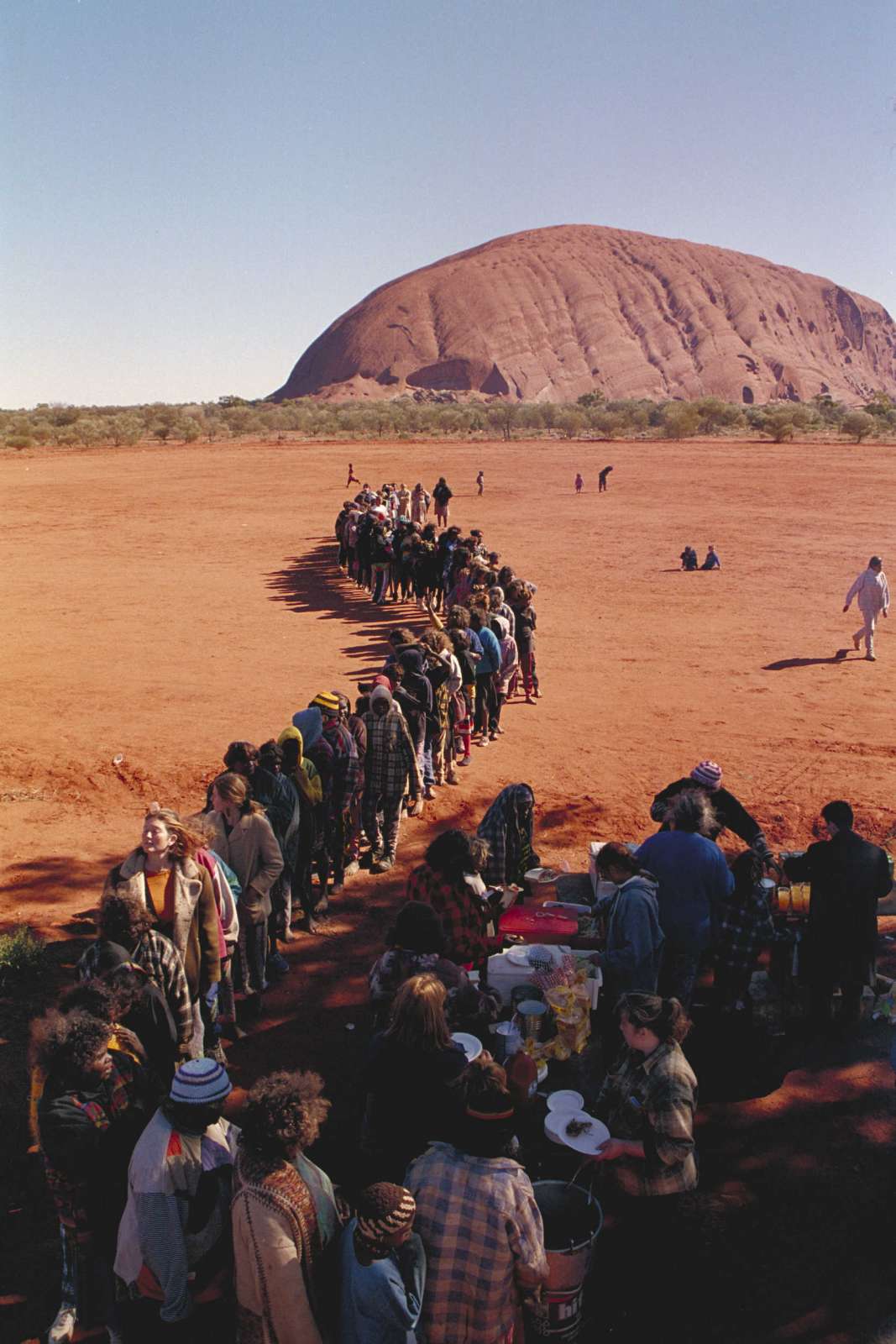
The child nutrition team began in 1996 with the mandate of teaching young mothers how to cook…why then did the team begin running a massive career conference? At the time, new research indicated that even 1 extra year of schooling for young women, had a 3 fold effect on the health outcomes of their children. This, and seeing there were no big events for young women in communities …an idea was born to create an event that would encourage girls to stay in school and look at careers opportunities for themselves.
The first conference was really nerve wracking, we were never sure if anyone was going to show up…but in the evening before the conference dust heralded bus and car loads of young women arriving. 250 eager young women arrived.
Kungka Career Conference recruited high profile successful Aboriginal women to tell their story and share their skills. Some were successful health workers and some were Aboriginal leaders like Christine Anu and Evonne Goolagong.

Senior women attended the camps for authority and to support the young women, some of whom were inspired to continue their support of young people by becoming teachers and mentors.

Over 12 Kungka Career Conferences have been run and we can now look back and see how many of these young women have grown into community leaders and some taking flight with successful careers.
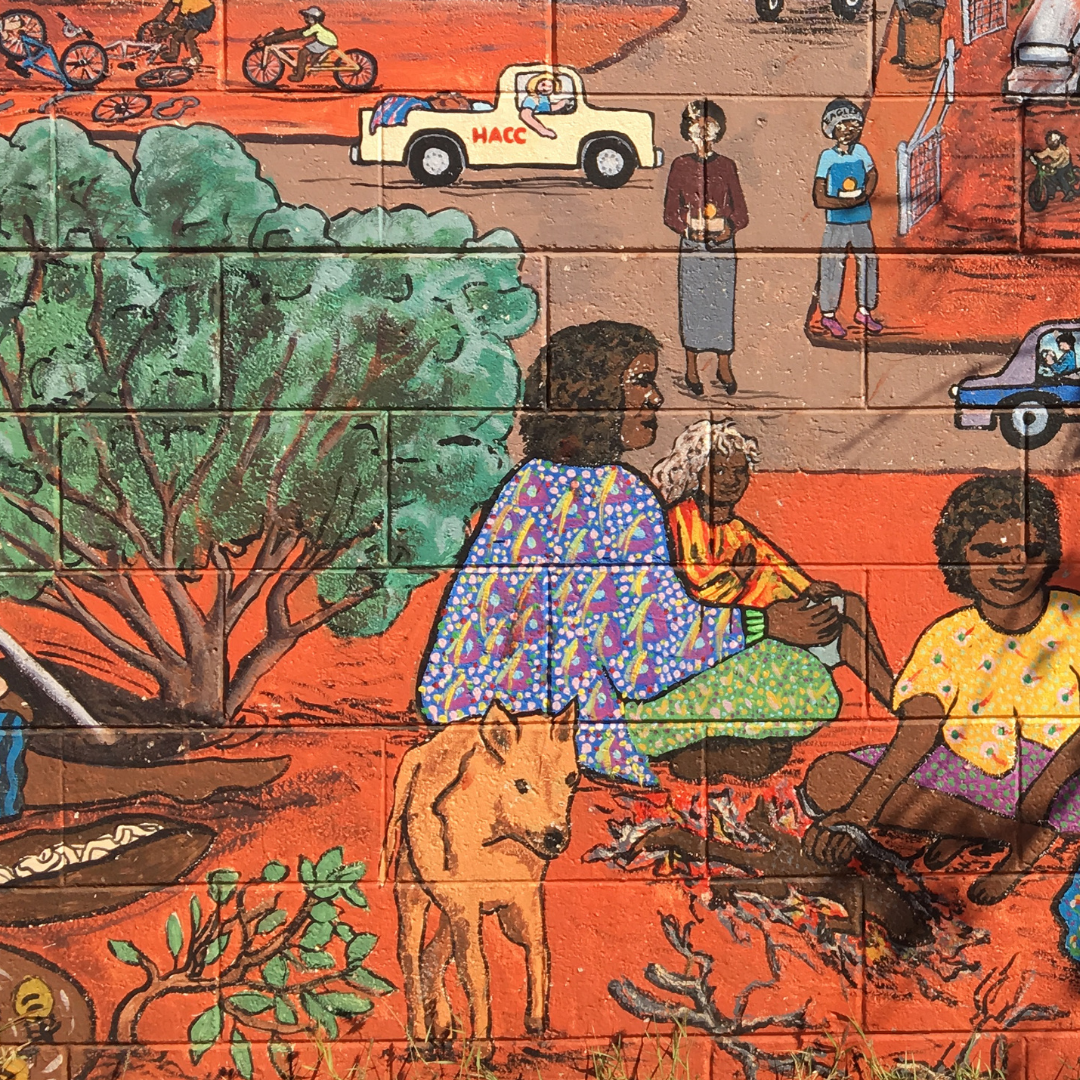
Ending confusion for remote families
In April, NPYWC held a meeting bringing together the Senior Executives of the Child Protection Services in WA, NT and SA. Senior Anangu Women raised their concerns about the challenges of having to navigate three different child protection systems. The meeting was a positive first step in developing a cross border Child Protection Framework, ensuring the unique needs of Anangu children and families are recognised and responded to in the child protection system.
“People talk to us too much and sometimes what they say doesn’t make sense. We’ve got things to say too, they need to listen to us, to take turns, and to use interpreters so that everyone understands.”
(APY community member)
Find out more about the NPYWC Child & Family Well-being Service
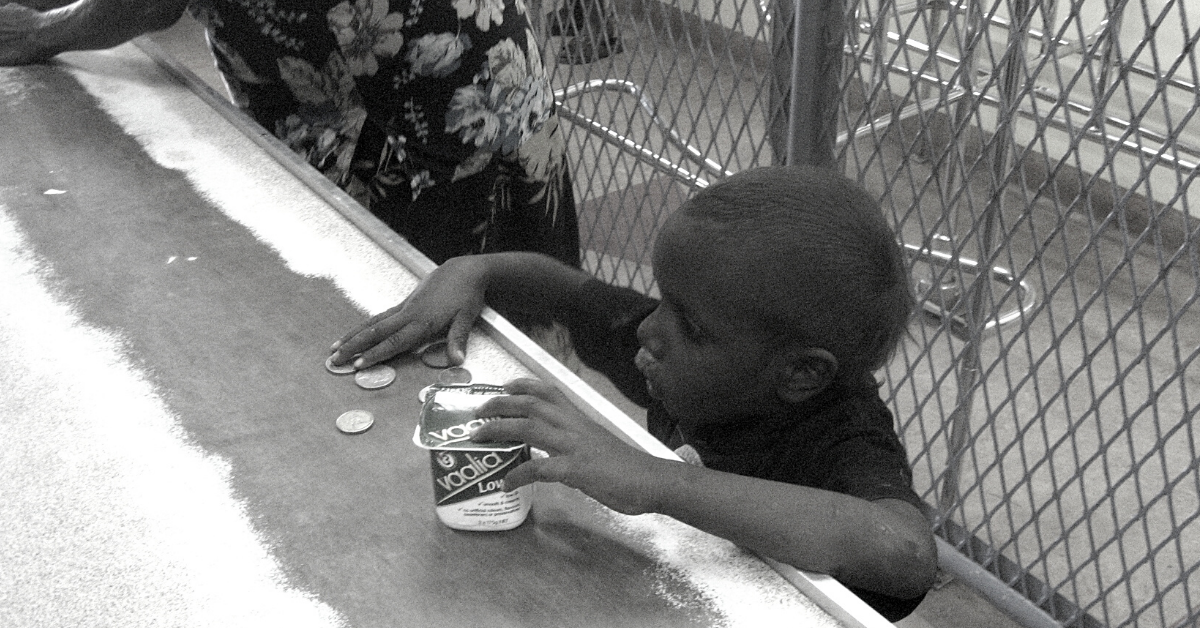
Anangu researchers give nutrition study real meaning
Anangu nutrition staff are preparing to head an important new study investigating food security in the APY lands. Their central role as co-researchers will grow greater community engagement, relevant interpretation and greater outcomes for community members. The research is a joint initiative between NPYWC, University of QLD & Menzies School of Health Research.
The aim of the research is to improve nutrition and food security in the APY region through an analysis of people’s buying habits and the development of culturally appropriate nutrition education and promotion resources.

The project hopes the research will lead to the following outcomes:
- evidence to inform policy and systems change, based on feedback from research looking at availability, affordability and accessibility of healthy foods in community stores
- Development of co-designed priority nutrition education and promotion activities for APY communities
- Increased engagement between NPYWC and Mai Wiru Regional Stores
- Community-relevant knowledge translation products
- Peer reviewed publications
Anangu Co-Researchers will undertake training in privacy and confidentiality, conducting surveys and understanding and interpreting data.
Find out more about NPYWC’s Child & Family Wellbeing Service
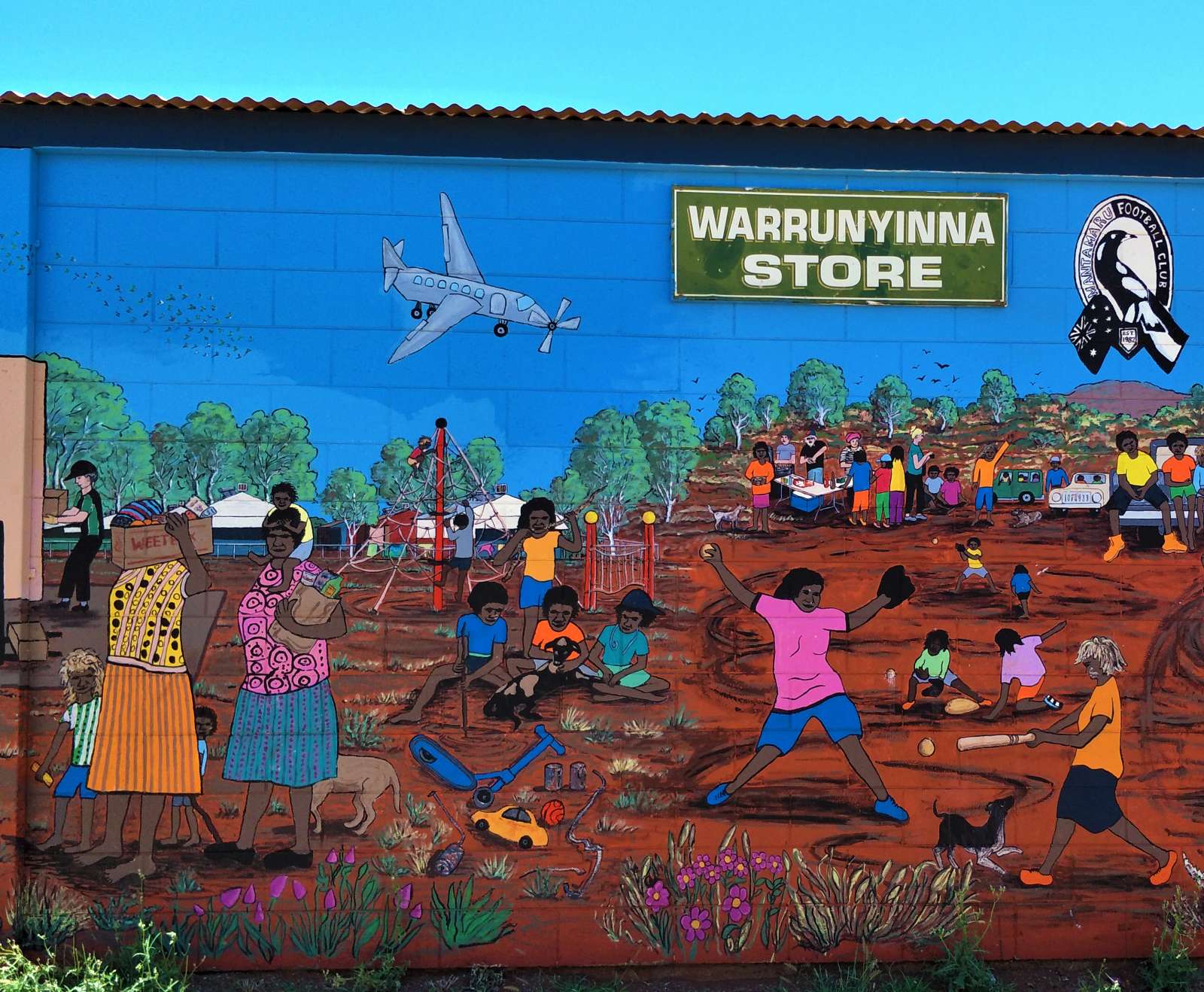
An exciting new project investigating food security in the APY lands.
The Child & Family Well-being Service is leading an exciting new research project investigating food security on the NPY lands. Dietary factors account for almost 10% of the burden of disease in Indigenous Australians and 15% of the health gap between Aboriginal and non-Aboriginal Australians. The research project will look at decision making and local factors that affect food choices in remote communities.
There has been concerted effort and small gains over many years to improve affordability and availability of healthy food and drinks in the NPY lands.
Although availability of good quality fruit and vegetables has increased by 50% in the APY Lands since 1986, seemingly many people still maintain a poor diet quality with high energy intake from discretionary food such as sugary drinks and takeaway meals increasing during this time. (2016 Lee et al).

Despite understanding people’s food purchasing habits, little is known about what informs people’s day to day decision making around food purchasing and eating behaviour. This new research project will investigate what influences food choices and priorities locally.
The second stage of this research will pilot interventions designed to address factors influencing food choice and consumption with the goal of informing and improving nutrition related service delivery to the NPY lands.
This project is led by the NPY Women’s Council’s Child Nutrition Program and is funded through the MRFF fund. The research will place Anangu voices and protocol at the centre of the research process.

For thousands of years Anangu families have sung to their babies. Integrating Western trauma theory with Anangu cultural knowledge, the Walytjapiti team worked with senior Anangu women to record a collection of children’s songs in Pitjantjatjara and Ngaanyatjarra. The collection aims to build and encourage connection between children and their caregivers.
Listen to the traditional song Urungka Tjarpara, a story about children getting cold from splashing around in the flowing water.
NPY Women’s Council Walytjapiti team work with families and children at risk. They deliver trauma informed therapeutic case management with families so that children remain safe, happy and protected within their communities.
Tjitjiku Inma is a collaboration between NPY Women’s Council’s Walytjapiti team and the Ngangkari’s Uti Kulintjaku (clear thinking) group who, together recorded 17 songs in Pitjantjatjara and 11 songs in Ngaanyatjarra.
The Titjiku Inma project was developed to support workers and families amplify the strength of singing to encourage the continuation of this interaction between caregivers and their children.
Jail can cause great harm to children. In Australia 10 yo children can be arrested, charged and jailed. We know incarcerating children does not reduce crime, is extremely costly and increases the chances of children re-offending x3. Is there a better way? Read more about why children are in jail and what alternatives exist. NPYWC Directors ask the Australian Government to #RaiseTheAge of incarcerated children from age 10 to 14 in line with UN recommendations.
Who are the children in jail?
65% of children in jail (aged 10-13) are Aboriginal. Research shows children in jail are already struggling with a range of life situations and health issues, that have not been adequately addressed.
We know that incarcerated children are more likely to have:
- intellectual disabilities
- low levels of education
- poor mental and physical health
- engage in substance abuse
- been exposed to violence and other mistreatment
- been placed in foster care

NPYWC Director, Wanatjura Lewis at 10 years old (check dress)
In Australia it costs $1579 / day per child or $539 million dollars annually to keep in youth detention (2018/19, Productivity Commission). Is there a more effective way of reducing crime and increasing children’s welfare that are cost effective?
When we invest early on in children, families and communities reap the rewards.
Investing in the welfare of children and families is good for everyone. Holistic and community based programs that work with the complex issues causing children to fall through the cracks, can prevent a children heading down the terrifying path of detention and jail.
A good start is growing preventative programs that provide support for:
- families to care for children with intellectual disabilities
- boys/young men to better understand and manage their violent behaviour, and support for families and men to deal with domestic violence
- programs like NPYWC’s Walytjapiti team that work with families to prevent children being removed from their family and culture
- appropriate resourced and culturally relevant mental health and well-being programs.
“It’s not a matter of ignoring that behaviour and doing nothing, it’s a matter of rethinking how we approach those problems in a way that’s more constructive,” University of Technology Sydney criminology professor Chris Cunneen.
 NPYWC Chairperson, Yanyi Bandicha at 10 years old
“When they take young people to jail, they think oh well I will just do bad things again, I have been to jail before and I know I can go again. They will keep doing the wrong things and go back to jail then more bad things will grow in them over and over again.” Yanyi Bandicha NPYWC Chairperson.

Read more about NPYWC’s plea to raise the criminal age of children here
You can show your support by:
- signing a petition: https://www.raisetheage.org.au/#petition
- Writing to your local member
- supporting preventative programs and donate to NPYWC Youth Service or Child & Family Wellbeing Service
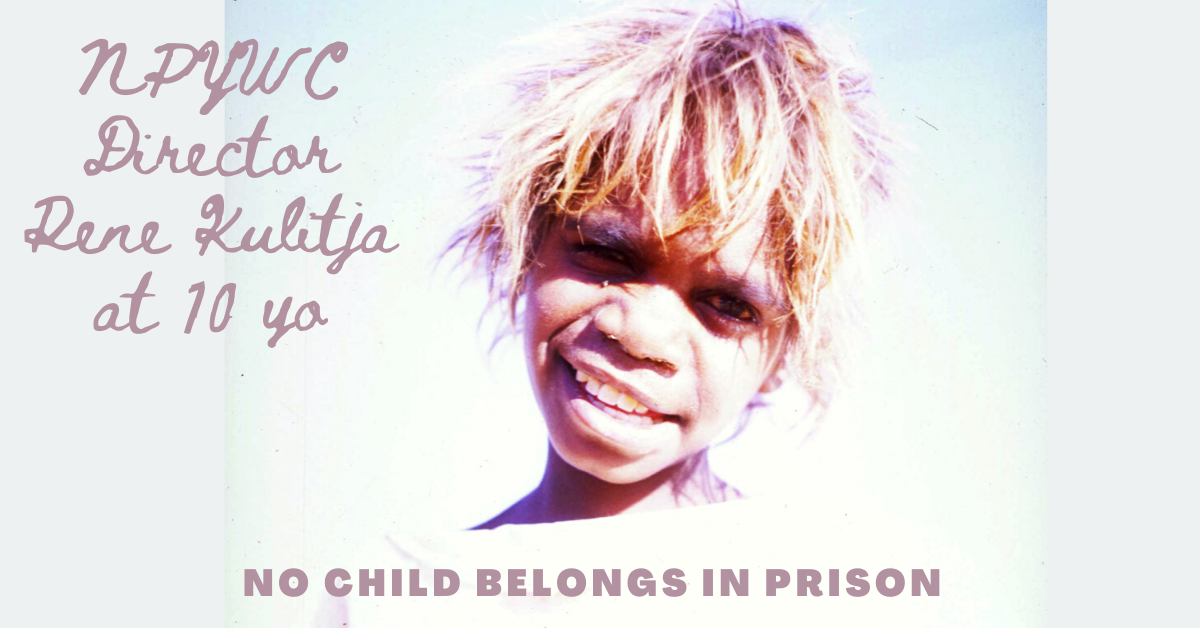
NPY Women’s Council calls on government to stop imprisoning children
It is alarming that children as young as 10 can be arrested, charged and imprisoned in Australia. Every year, 600 Australian children between the ages of 10 and 13 are locked up in prison and sadly 65% of these children are Aboriginal or Torres Strait Islander.
NPY Women’s Council Directors support the #RaiseTheAge campaign and stand with other Aboriginal leaders to advocate to raise the age. NPY Women’s Council agrees that Australia’s minimum age of criminal responsibility should be raised to at least 14 years to align with the recommendation by the UN Committee on the Rights of the Child.
NPY Women’s Council Director, Yanyi Bandicha at 10 yo
“They are learning and they are too young to be locked up, they have a long way to go before they know what is right or wrong and what is good for them,” – NPY Women’s Council Director, Maimie Butler
In July 2020, Australian lawmakers at the Council of Attorneys-General failed to make a decision to raise the age, deferring this to 2021. The ACT government are the first jurisdiction to agree to align its laws with the UN’s recommendation. NPY Women’s Council Directors call on the Commonwealth, state and territory governments to follow the footsteps of the ACT government and protect Australia’s next generation.
 Director Yangi Yangi Fox at 10yo (left)
The 2017 Royal Commission into the Detention and Protection of Children in the Northern Territory found that a hard-line approach would not reduce crime, hence one of their key recommendations was to raise the age of criminal responsibility. Research has found that children jailed before the age of 14 are three times more likely to re-offend.
“Governments have been locking kids up for a long time, and yet youth crime is on the rise… There is plenty of evidence that supports a different approach to tackling crime,” – NPYWC Youth Service Manager, Christine Williamson
NPY Women’s Council Youth Service works within research and evidence based frameworks that acknowledge school attendance and reducing family violence are key influencers in reducing youth anti-social and criminal activity. NPY Women’s Council believes that the best place for a child is on country, with family and culture not in jail.

“They shouldn’t be locked up, they need the chance to sit with their family and learn more about what is right or wrong. If they are locked up at that age (10yrs) all they know is how to obey the security guards and live in jail, it is not right,” – NPY Women’s Council Director, Maimie Butler
Christine Williamson, Manager of NPYWC’s Youth Service, calls on Australians to “sign the petition, write to your local member, educate yourself about the issues and what works and share this with others in a way they will understand,”
Actions:
o Show your support and sign the petition: https://www.raisetheage.org.au/#petition
o Write to your local member
o Donate to NPYWC Youth Service

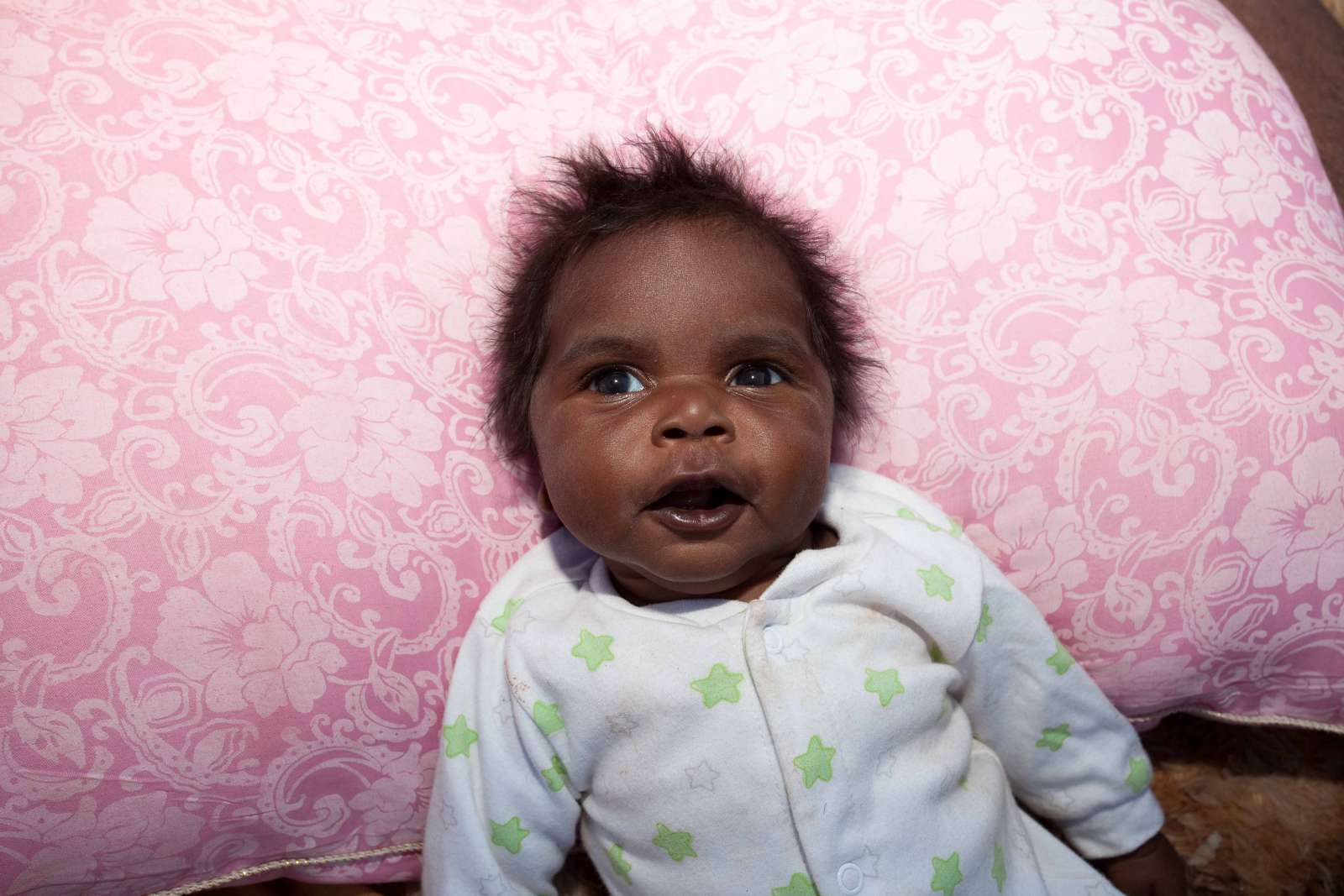
When sudden COVID-19 travel and biosecurity restrictions came into effect, many people found themselves negotiating a new set of challenges.
Expecting mothers from remote communities were required to quarantine in hotel rooms both before and after giving birth . Some community members visiting critically ill family members in hospital were left homeless as hostel accommodation became restricted.
The Child & Family Wellbeing Service worked to support vulnerable families find accommodation, make it through isolation with a newborn baby and navigate their way home safely.
As expectant mothers faced a month of isolation around delivery of their child, including several weeks in a hotel with a new born, the Child Nutrition team has been a friendly and consistent presence. They support women facing this challenging situation through phone check-ins, visits (with social distancing) and nutritious meals.
Women and children with hospital appointments also have to isolate to get back to their home communities, the Nutrition team is easing isolation stress with visits, tjanpi weaving materials, shopping support and advocacy to expedite travel.
The CFWS kitchen, usually busy with new mums cooking and learning more about nutrition, is used to cook up large batches of meals for families who are caught in difficult circumstances.
Although unable to travel to remote communities to visit regular clients, the Nutrition team works with community clinics and DCP to maintain regular contact with clients through teleconferencing and mobile phones to address growth faltering .
They have partnered with local Child Care centres sending families activity packs filled with recipes, food, seeds and games.
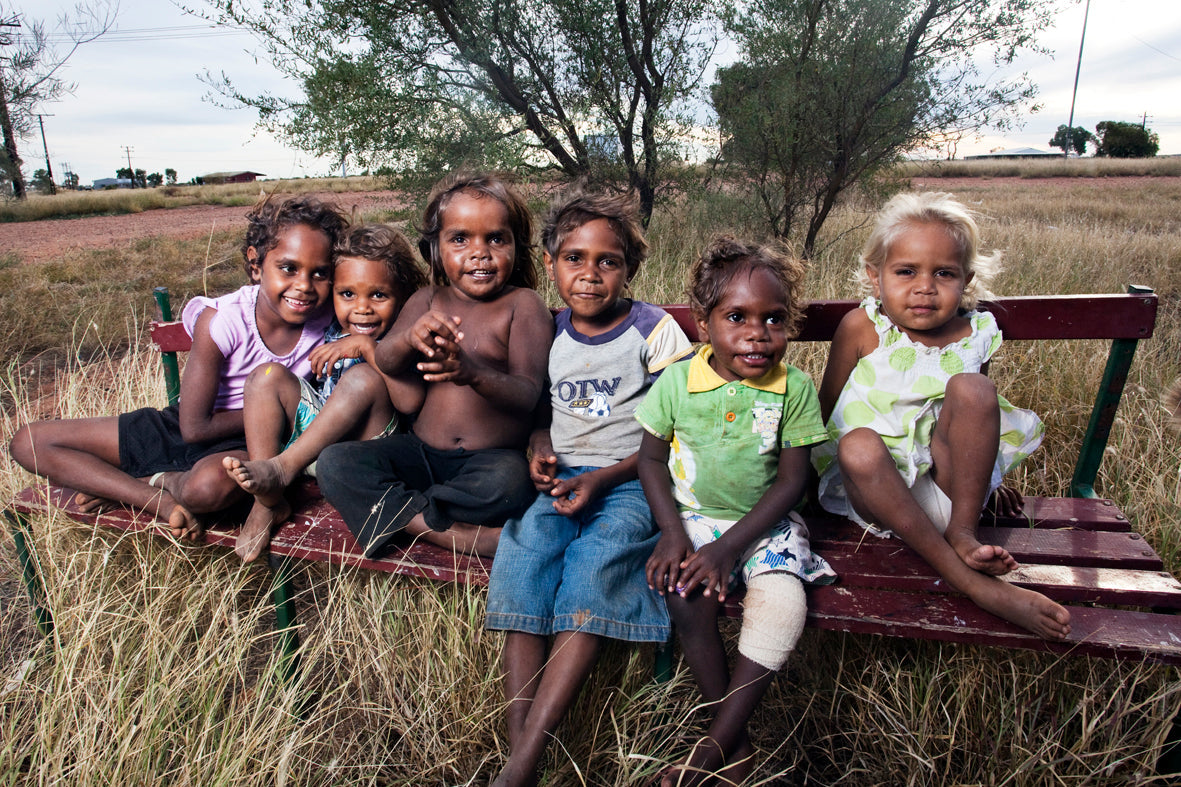
Help for distressed families navigating child protection systems
Since 2014 NPY Women’s Council has been self-funding a Child Advocacy position driven by high demand of requests from families in the NPY Lands for support in understanding child protection issues. Anangu families were struggling to traverse language barriers, understand legal processes and fund travel to visit children placed in care.
Many families were feeling confused, overwhelmed and disempowered.
This work by the NPYWC Child & Family Wellbeing Service (CFWS) has now been recognised. While the CFWS will continues to self-fund this position, a Territory Families Out of Home Care Grant has allowed the CFWS to create a second position. These roles will support families seek reunification, find kinship carers and negotiate the Child Protection system.
“We are very happy to be able to increase our capacity. We are under a huge demand from remote families for this service.” said Shelagh Woods CFWS Manager. “These roles are a one of a kind in Australia and provide a pivotal interface between child protection agencies and families. “
This position will operate across NT, SA & WA boarders, assisting in what has been difficult terrain for families with children placed under care and protection orders within different statutory jurisdictions. Due to highly mobile living situations, families may find they are dealing with several agencies across states and finding children placed in out of home care in a different state far from the NPY Lands. It has been confusing and at times, devastating for families. Families have been having trouble maintaining access to children in care due to significant travel logistics and costs.
This service takes a rights based approach and commits to the Aboriginal Child Placement Principle, that children are best placed within family, community and culture. From this perspective, the CFWS looks to support reunification and kinship care in remote communities. Due to a lack of remote services, families may not be able to access programs that work on behavioral changes required of child protection authorities and reunification plans. Remote areas may also experience a lack of capacity from child protection bodies or other services to support supervised access visits. The CFWS Child Advocacy roles also advocate for interpreters in child protection communication and court processes and spend additional time assisting families understand child protection processes and requirements.
This position will work closely with the NT communities of Kaltukatjara (Docker River), Mutitjulu, Imanpa and Aputula (Finke) and include a broader tristate focus.