Skip to content

Your donation supports the voices and leadership of Aṉangu women across the Ngaanyatjarra, Pitjantjatjara and Yankunytjatjara Lands. NPY Women’s Council is an Aboriginal-led organisation created by women for women, focused on improving health, safety, culture and community wellbeing in remote Central Australia.

We appreciate any contribution you are able to offer.

Please fill out the form below to make a donation.

Cart

Your cart is empty

Donate

Article: Working Together to Ease Border Complexity Heartbreak

Working Together to Ease Border Complexity Heartbreak

Working Together to Ease Border Complexity Heartbreak

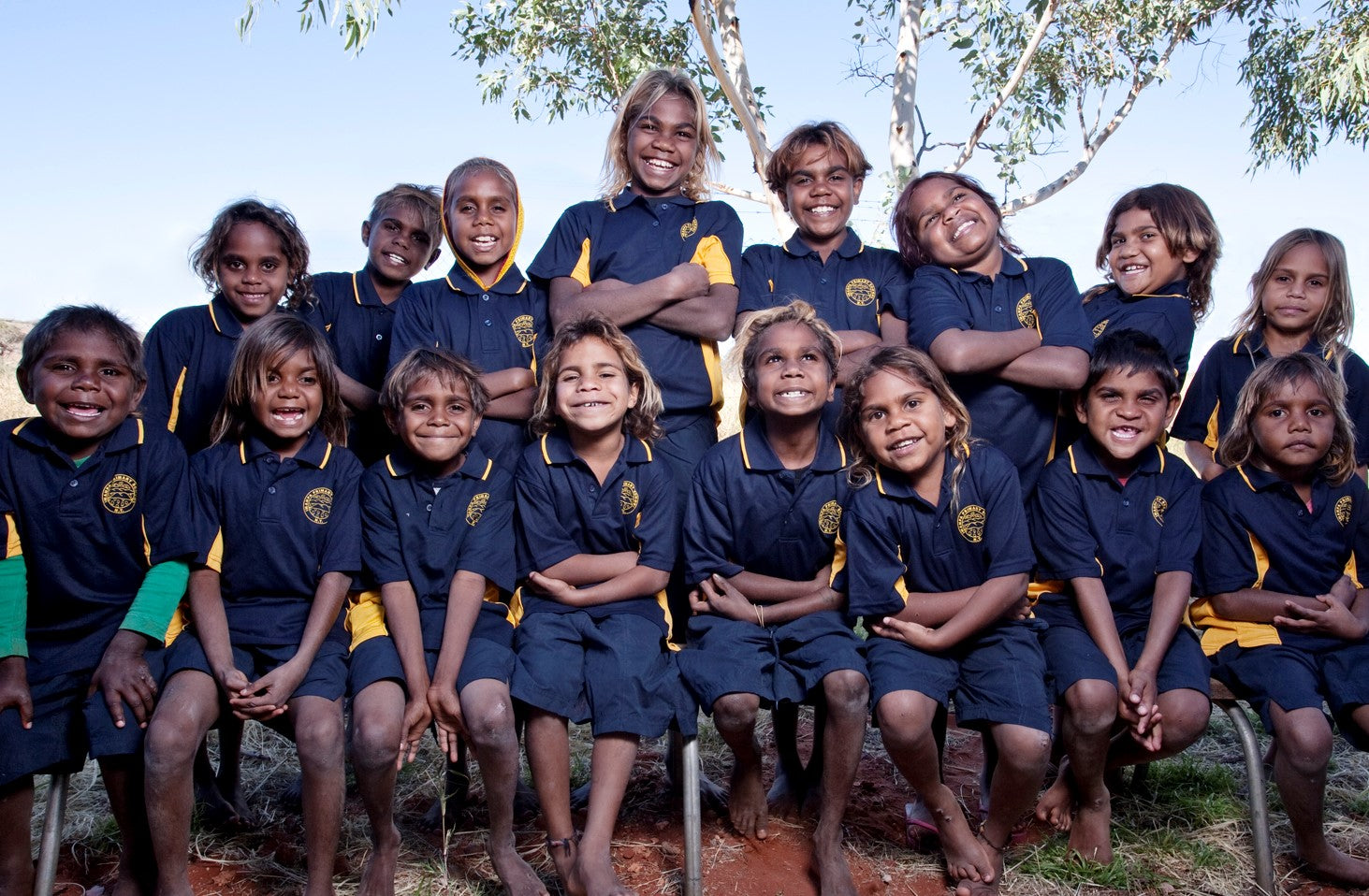
In a region where for tens of thousands of years Anangu families have lived, connected by common language, tjukurpa and family – differing state laws and services can cause distress for Anangu carers, families and children navigating the child protection system.

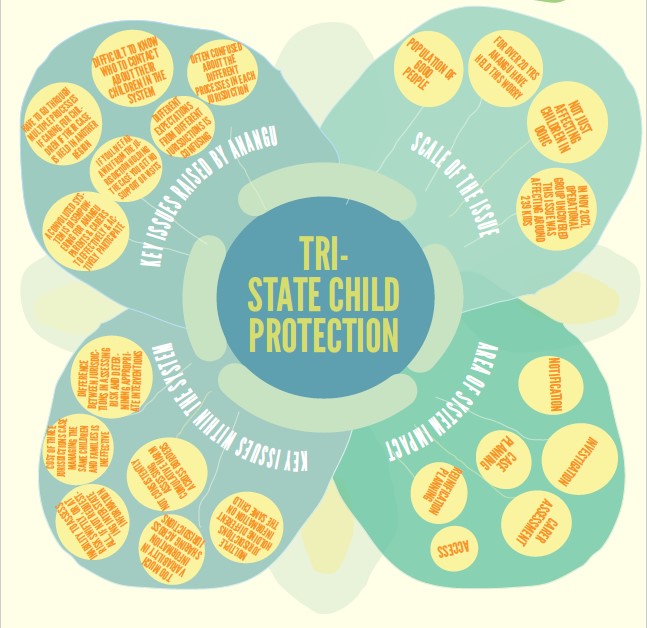
Around 239 children and their families in the tri-state region of SA, NT and WA are engaged with Child Protection services across 3 jurisdictions. Families and carers of these children are experiencing difficulties understanding differing Child Protection rules and expectations across borders.

Families and carers across the tri-state region may face differing processes to access visitation, multiple case workers and multiple process for placement and reunification. NPYWC and state and territory agencies are coming together to see how we can consolidate these process to keep children connected to family, culture and country.

I could pick up a phone and know exactly who I am talking to instead of everyone looking for a case worker. It would make things easier for health departments. At the moment NPYWC is acting like the tri-stateofficer.

Tanya Luckey, Kinship Carer

We have been talking about three states, three governments, three funding’s and three rules. These are all tough laws for us to follow. NPYWC have been trying to make these laws easier, they should just be
dealing with one law.

NPYWC Director, Margaret Smith

In the hope of giving children and their families the best chance of being with family and culture on country, NPY Women’s Council has bought together the NT, WA and SA Child Protection Agencies to work towards a number of issues raised by Anangu carers and families. Concerns include:

  • Difficulty in knowing who to contact about their children in the system
  • Confusion about the different processes in each jurisdiction
  • Confusion in having to go through multiple processes if caring for children when their case is held in another region
  • Convoluted systems that become disempowering and difficult for Anangu parents and carers to effectively and actively participate
  • Different expectations from different jurisdictions
  • Lack of support to access visits to children if children are in a different state or territory
Read more about what we are doing to make tri-state child protection processes work for children and families (link to PDF)

Learn more about the Child & Family Wellbeing Service

Read more

Access to Education In Your Own Language and Culture is a UN Human Right
Youth

Access to Education In Your Own Language and Culture is a UN Human Right

The fight for two-way learning

The world recognises that Anangu have rights to learn in in their first language, and the right to govern the education systems that their children and young people access. Our Directors and Members work tirelessly for a more culturally relevant curriculum, more Anangu teachers and seek input into how schools recruit in their communities.

“Education is the key. Young people can become leaders and teach other people. Young people need to respect the culture and ensure two-way learning. We need to keep two ways culture, don’t let it go because of education, you’ve got to still have your culture."
- Daisy Ward

It is vital that young people learn in their first language and that they can grow strong in both cultures.

Access to education is a human right: It is recognised in the United Nations Declaration of Human Rights – Article 26 – Everyone has the right to education and parents have a prior right to choose the kind of education that shall be given to their children. It is clear also, in the United Nations Declaration on the Rights of Indigenous Peoples that Indigenous peoples have the:

  • Rights to establish and control their educational systems and institutions
  • Right to access an education in their own culture and provided in their own language

Director, Maureen Baker, Director, Rene Kulitja & NPYWC Youth Service Manager, Christine Williamson at the AITSL Conference in Canberra

Anangu understand the importance of this declaration and the benefits it has to children and young people. Most importantly, it recognises the right to education in their own language, a right that was experienced by many senior Anangu in the NPY region during the 1970’s and 1980’s.

We are seeking a just and fair education system that supports their children and young people to grow up strong, to determine for themselves their pathway to a future that is filled with opportunity both in mainstream Australian society, and in Anangu society. We seek choice and support for keeping two-way learning strong.

We need more Anangu qualified teachers and make sure Anangu participate meaningfully in recruitment and appraisals of principals in their own communities.

Directors Rene Kulitja & Nyunmiti Burton in Canberra

We are working hard to actualise these priorities and rights. This includes working with the following partners:

  • Australian Institute for Teaching and School Leadership (AITSL) to review and recommend standards for ‘Indigenous cultural competency in the teaching workforce: National Dialogue’.
  • Department of Education, Skills and Employment to advocate for the above identified priorities and increased resourcing for boarding school support and place based initiatives designed and implemented by Aboriginal organisations and communities.
  • Indigenous Education and Boarding Australia – advocating boarding school students needs and provide recommendations on standards for boarding school that support Anangu students while away from their families
  • NPY Empowered Communities Secretariat (NPY EC) – working with NPY EC to identify transition from school to work pathways and better data sharing
  • Ngaanyatjarra Lands Schools – working with the schools to promote attendance and support student’s well-being.
  • Recent submission into the ‘Parliamentary Inquiry into Education in Remote and Complex Environments 2019 – 2020’.
  • Partnering with King & Wood Mallesons (KWM) to co-design an education and employment strategy for NPY Women’s Council.

Learn more about the NPYWC Youth Service

Read more
Winners
Tjanpi Desert Weavers

Winners

We just had to share some wins from a few of our amazing initiatives

Tjanima Tjukurpa Winner of Children’s & Young Adult Book at the Chief Minister’s NT Book Awards 2022
“This book means a lot to us wati because when we were writing it, we didn’t know what we was getting into. But look we knew it was a story about one young fella who got healed with his grandfather. At the end of the day it makes us watis so proud and the NPY Woman’s Council and the Uti Kulintjaku team because we won something and that’s good. And it was good to write in our own language, in Pitjantjatjara, Yankunytjatjara and Ngaanyatjarra. There’s three languages in there and you know its good for Anangu to write books and to see how Piranpa write books because its not easy. It wasn’t easy, wiya! But we are so happy, palya.” Robert Hoosan (pictured)

Aboriginal health indigenous ook

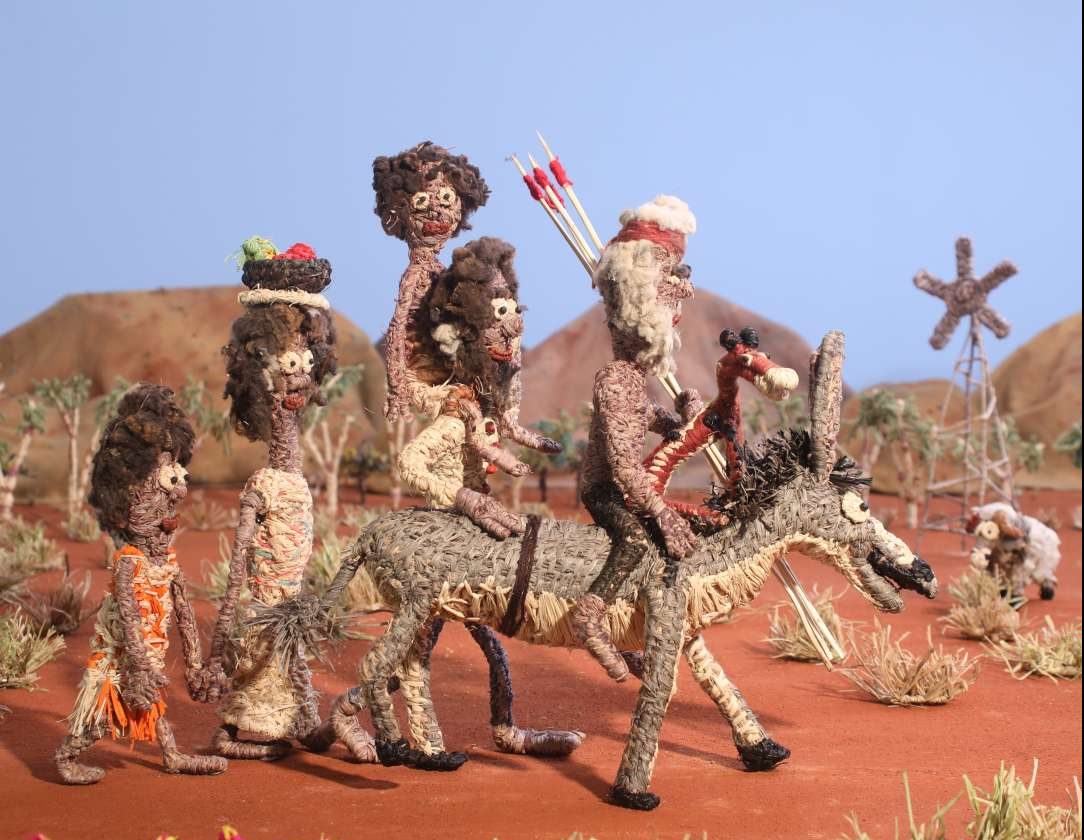
Tjanpi Desert Weavers animation Tangki (Donkey) wins Sydney Film Festival AFTRS Craft Award and the Yoram Gross Animation Award
Tangki is a story the introduction of donkeys to the desert community of Pukatja and the special vond that has formed between Anangu and tangkis.

The animation was a collaboration between Tjanpi artists, Imuna Kenta and Elizabeth Dunn supported by Creative Emma Franklin and Co-Director Jonathan Daw. Picutred below.

This film was supported by the Australian Government’s Indigenous Languages and the Arts program.


Read more