Skip to content

Your donation supports the voices and leadership of Aṉangu women across the Ngaanyatjarra, Pitjantjatjara and Yankunytjatjara Lands. NPY Women’s Council is an Aboriginal-led organisation created by women for women, focused on improving health, safety, culture and community wellbeing in remote Central Australia.

We appreciate any contribution you are able to offer.

Please fill out the form below to make a donation.

Cart

Your cart is empty

Donate

Article: CARING THROUGH COVID-19

CARING THROUGH COVID-19

CARING THROUGH COVID-19

When sudden COVID-19 travel and biosecurity restrictions came into effect, many people found themselves negotiating a new set of challenges.

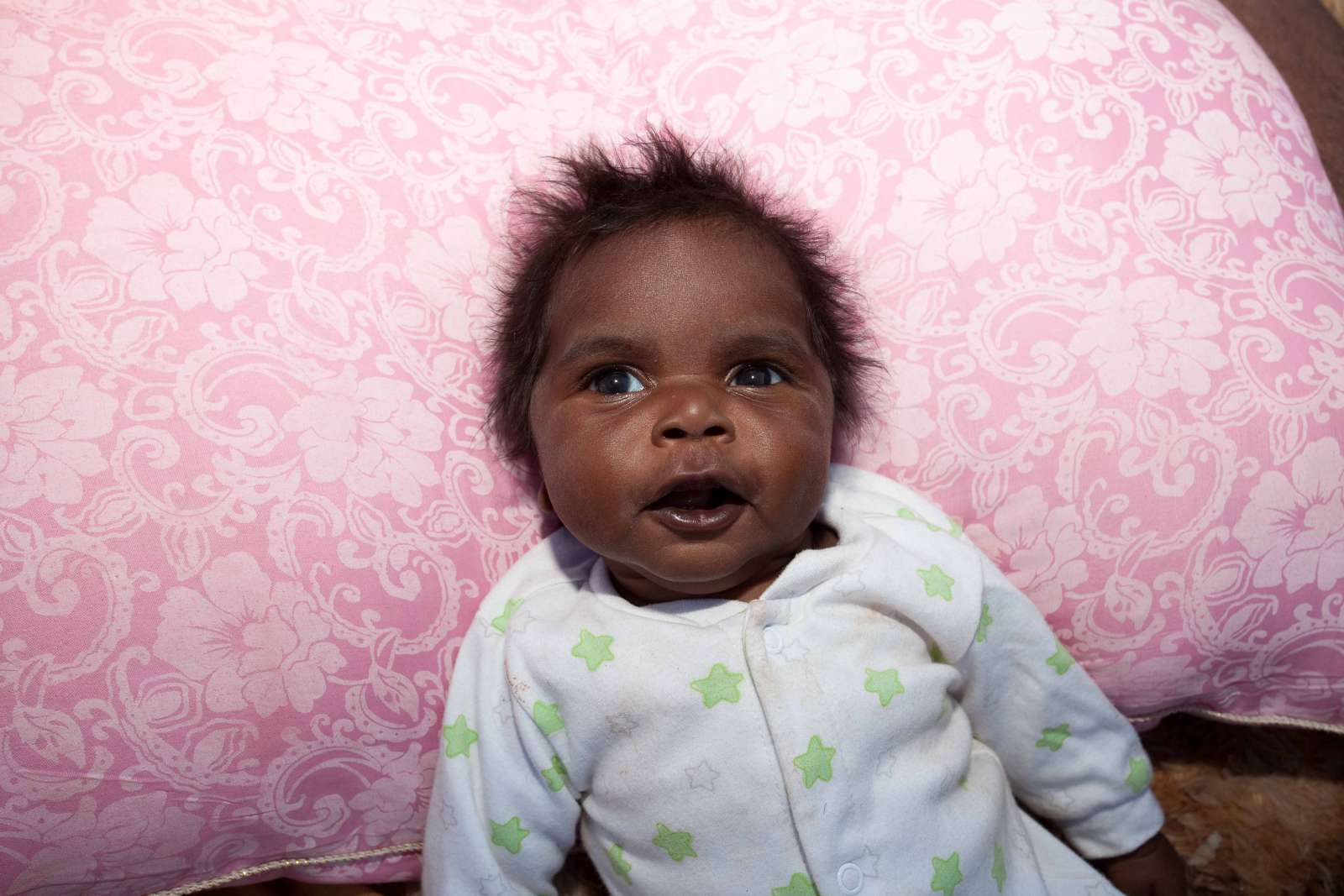
Expecting mothers from remote communities were required to quarantine in hotel rooms both before and after giving birth . Some community members visiting critically ill family members in hospital were left homeless as hostel accommodation became restricted.

The Child & Family Wellbeing Service worked to support vulnerable families find accommodation, make it through isolation with a newborn baby and navigate their way home safely.

As expectant mothers faced a month of isolation around delivery of their child, including several weeks in a hotel with a new born, the Child Nutrition team has been a friendly and consistent presence. They support women facing this challenging situation through phone check-ins, visits (with social distancing) and nutritious meals.

Women and children with hospital appointments also have to isolate to get back to their home communities, the Nutrition team is easing isolation stress with visits, tjanpi weaving materials, shopping support and advocacy to expedite travel.

The CFWS kitchen, usually busy with new mums cooking and learning more about nutrition, is used to cook up large batches of meals for families who are caught in difficult circumstances.

Although unable to travel to remote communities to visit regular clients, the Nutrition team works with community clinics and DCP to maintain regular contact with clients through teleconferencing and mobile phones to address growth faltering .

They have partnered with local Child Care centres sending families activity packs filled with recipes, food, seeds and games.

Read more

COVID: YOUTH SERVICE FINDS NEW WAYS TO WORK WITH SURPRISING OUTCOMES
Youth

COVID: YOUTH SERVICE FINDS NEW WAYS TO WORK WITH SURPRISING OUTCOMES

The Youth Service found themselves navigating an ever changing front of COVID-19 restrictions impacting on their service delivery into remote biosecurity regions. After a week of planning and a deep breath, the Youth Service began to deliver a creative series of COVID safe programming into the NPY Lands.

The programs surprised everyone by finding a deep engagement with communities, families and youth that have not previously been involved with the program.

The new programming has seen families become very involved in supporting the delivery of activities in their homes and young people step up to the challenge of self-driving fun.

New COVID-19 safe programming has seen a more resilient program, reaching new communities, families and youth, including young people with disabilities.

Elements of the COVID programming will be continued into the future to support this engagement.

Competitions get crazy
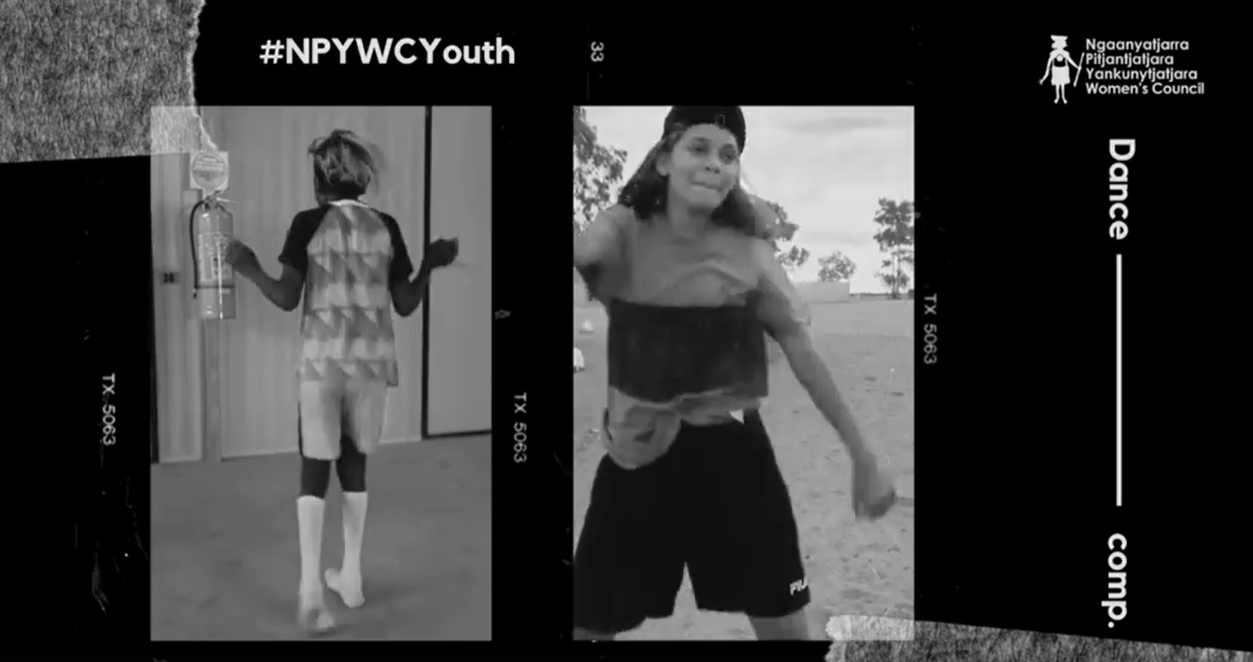
The Youth Service created a dance and footy trick shot competition aimed at keeping youth active and driving their own activity in a safe way.

One of our Dance Competition entrants received over 56 thousand likes on his Tik Tok dance post!

Click here to see Football Trick Shot winners

Click here to see the Dance Competition winners

Activity packs in high demand

Activity packs were sent out to youth across the NPY Lands. Packs included recipes and food ingredients, art materials and hair colour, resembling some the programs that are usually run.

Due to an overwhelming response for more, the packs have continued to be sent out to NPY communities. Families not usually engaged with the Youth Service began to get involved to support their children with cooking and other activities provided. This element of engagement is what the Youth Service feels strongly about maintaining post COVID-19. The Youth programs are excited, not just to provide activities for youth but work with families to support youth activities.

Guys seek football fitness
Older youth were worried about losing their fitness for the football season. A football exercise program was translated into Pitjantjatjara, turned into a video and shared across the NPY Lands. The video was extremely well received and used.

Boarding school program

As COVID-19 began to transform how schools were conducting operations, safety plans for each boarder were devised between the Youth Boarding school program, families and schools. As boarders began to return back to community, the Boarding School Program working with agencies on the ground to find spaces for boarders to continue to learn remotely. Students were set up with spaces in community schools, art centres and offices. All students were supplied with computers and internet dongles by NPYWC and their schools.

Movie nights went virtual and viral
A Friday movie night is mainstay for many youth programs, bringing people together for an end of week treat. NPYWC Youth program wanted to keep this element of the program running. The first live stream on social media received nearly 2K views. The Youth Service then set up a partnership with ICTV to host the movie nights featuring old NPYWC footage and films from the archive.

In Kiwirrkurra, Youth Development Officers set up 5 projector screens in front of family homes to screen a movie night. Community members came out on their verandas to watch and share socially distanced time with each other.

Click below to watch some of our April live-stream movie nights:

Livestream 1

Livestream 2

Read more
Exploring Anangu Legal Awareness
Domestic & Family Violence

Exploring Anangu Legal Awareness

COVID-19 inadvertently created an environment for learning due to the NPYWC Domestic & Family Violence Service‘s (DFVS) forced slowing down of pace. DFVS’s Specialist Legal Educator and Anangu staff were able to explore legal / illegal behaviours and current misunderstandings around legal issues.

“……it comes as a shock to them when the police have a warrant for their arrest. This shock comes to both her and him and the family.” Anangu Support Worker

An DFVS Anangu Support Worker talks about her experience: I drew this picture after we were having talks about legal issues. We were trying to get a better understanding of how Anangu think about domestic violence orders (DVOs).

In the Anangu community, they think it’s none of their business when partners have a fight. The fight might start after they have a drink then maybe they start arguing about the money saying things like ‘You spent my money!’ People around think he’s just going mad, they might say: ‘I just heard something happening’, but they don’t do anything.

They don’t know that there are legal things there – the threating and the violence is there and it’s not good for the kids, it’s like trauma is happening for the kids.

A problem here is that people think its ok to leave it – ‘they are husband and wife – it’s their business – the neighbours think they are married so they don’t need to talk to the police, but sometimes things get worse for months and years. They are hurting the kids and each other. Then they get to the legal stuff the police come in and those things from the past (like a previous DVO/warrant) and they are going to affect you now. They have been saying ‘it doesn’t affect me’, then it comes as a shock to them when the police have a warrant for their arrest. This shock comes to both her and him and the family.

They don’t know how important it is to understand. It is a big thing now they have to know about. It can affect the family and the children. It is affecting the woman and the man. Both need to have a clear picture. It will affect you now and in the future. They can come together in the middle and talk about the DVO and what it means. They need to know that the DVO can help to stop the violence.

They need to understand that their behaviour is illegal. People don’t know what is legal or illegal behaviour this knowledge is hidden. Good legal education is important because people understand their rights but also the effects of their behaviour.

The difference came for me last week when we looked at the cards because there’s a story that explains legal and illegal behaviour. I’m ready now if violence comes in. I know what is legal and illegal, I’m thinking about the idea of the narrative therapy metaphor of ‘violence’ . Now there is something to say to it: ‘You are illegal!’

It’s gone from being – the man and woman walking towards each other to sort out the DVO, to now we have a better understanding so that she can say to him ‘I want you to be my husband and a father to the children but you need to understand the DVO’. In the middle of the picture is about the going to court time, the legal statements, the lawyers, how are we going to fix this? Lots of worries.

Now the couple are coming together in the middle to sort it out, they come out with release, relief, the mind is open. Learning happens in the middle, they come up thinking about the future. How can the legal story make them a better person? A better parent? A better husband or wife? There can terrible stress in the middle but it can be a positive thing if people understand.

Using training from the NT Legal Aid Commission’s Blurred Borders resource kit DFVS staff spent time discussing and building greater understandings around legal stories about restraining orders, conditions, police, and arrest. The DFVS now holds a greater understanding of gaps in community knowledge that can now be addressed through a fledgling DFVS legal education project.

Staff talked at length about threats, power and control, the word ‘psychological’ and emotional harm, which Anagnu staff equated to spiritual harm. These conversations have led to all staff developing a more nuanced exploration of legal/illegal behaviours, and the purpose of a DVO and criminal procedure being to create protection, not trouble.
Read more