Skip to content

Your donation supports the voices and leadership of Aṉangu women across the Ngaanyatjarra, Pitjantjatjara and Yankunytjatjara Lands. NPY Women’s Council is an Aboriginal-led organisation created by women for women, focused on improving health, safety, culture and community wellbeing in remote Central Australia.

We appreciate any contribution you are able to offer.

Please fill out the form below to make a donation.

Cart

Your cart is empty

Donate

Article: Beating Failure to Thrive

aboriginal health nutrition

Beating Failure to Thrive

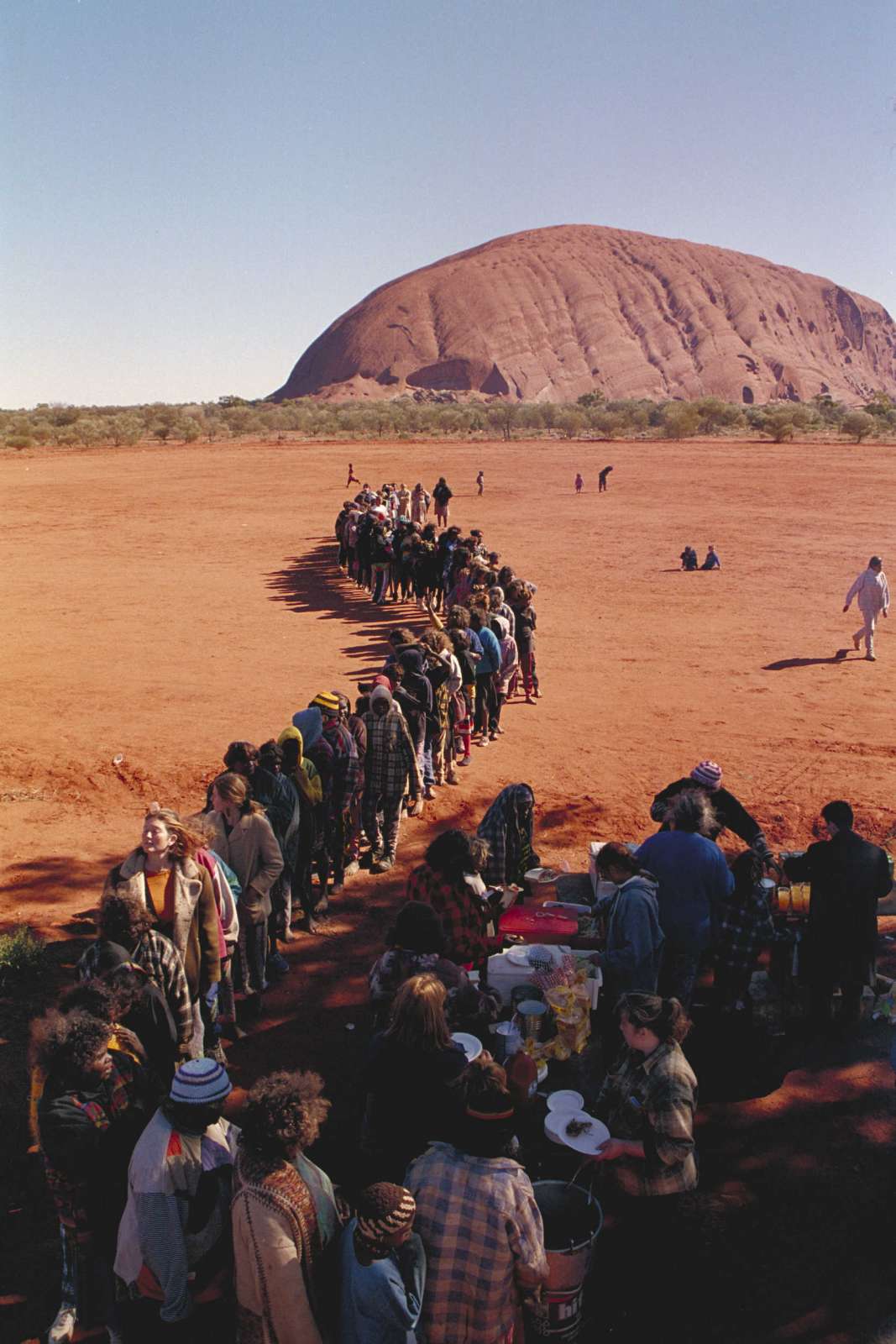
The child nutrition team began in 1996 with the mandate of teaching young mothers how to cook…why then did the team begin running a massive career conference? At the time, new research indicated that even 1 extra year of schooling for young women, had a 3 fold effect on the health outcomes of their children. This, and seeing there were no big events for young women in communities …an idea was born to create an event that would encourage girls to stay in school and look at careers opportunities for themselves.

The first conference was really nerve wracking, we were never sure if anyone was going to show up…but in the evening before the conference dust heralded bus and car loads of young women arriving. 250 eager young women arrived.

Kungka Career Conference recruited high profile successful Aboriginal women to tell their story and share their skills. Some were successful health workers and some were Aboriginal leaders like Christine Anu and Evonne Goolagong.

goolagong aboriginal

Senior women attended the camps for authority and to support the young women, some of whom were inspired to continue their support of young people by becoming teachers and mentors.

aboriginal health career youth

Over 12 Kungka Career Conferences have been run and we can now look back and see how many of these young women have grown into community leaders and some taking flight with successful careers.
Find out more about the Child & Family Wellbeing Service

Read more

aboriginal disability anangu
Tjungu

The bureaucrats seemed really devastated...some of them were crying

SETTING UP AUSTRALIA’S FIRST ABORIGINAL DISABILITY SERVICE

At the time (1993), I think only one Anangu was registered as disabled. It was my job to travel out bush to find out who had a disability and what was needed.

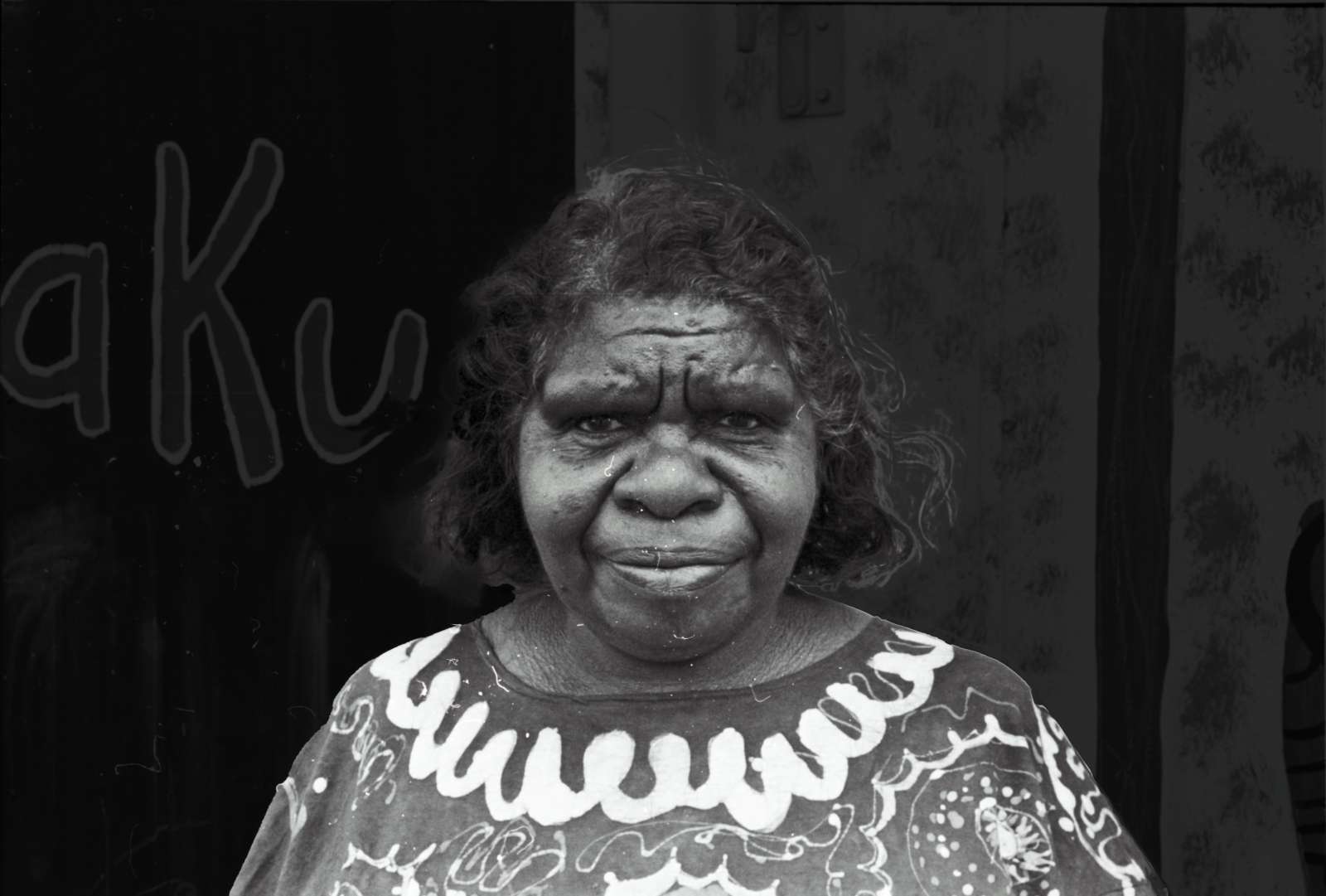
I was a bit shocked even though everyone looked happy. They’d say, come and see this, and they would show me people with serious disabilities. That is when Elsie Wanatjura (pictured) jumped on board. She clearly thought that I would get lost and perish in the desert. She jumped on and from then, everywhere I went, she went with me.

People were living in poverty with extremely bad disability support equipment. One man used to walk around with his prosthetic leg under his arm because it didn’t fit anymore. Wheel chairs were not made for the desert and were pretty unusable. People were really in need of some basic things like proper beds.

We saw how hard carers were working, manually lifting people everywhere. Carers were hand washing blankets due to incontinence, they just needed some support.

Elsie and the women were pivotal in getting funding. They invited different government departments from Canberra to the lands. After a really tedious funding meeting Nura Ward all of a sudden got up and said “Everybody come with me.”

She got everybody in the cars and took them to see her mother who was living in what she called the chook shed out the back of a house. Nura stood there and did a massive rave about why was her mother living like this, being pushed around in a wheelbarrow by her family. She went all over Ernabella showing various people in some pretty shocking circumstances – just the poverty – and by the end of it a lot of those bureaucrats, they seemed really devastated. Some of them were crying.

Nura said it was painful for them to do because they were shamed by it, but they made a point of doing it. They said they had never done that before.

Taken from a conversation with Angela Lynch & Elsie Wanatjura

Find out more about the Tjungu Aged & Disability program

Read more
We were controversial and challenging
Domestic & Family Violence

We were controversial and challenging

Have we stopped domestic & family violence in remote communities? No. But we have made women much safer.

Kunbry Peipai (pictured) sat alongside staff and listened to women talking about domestic violence at early NPYWC meetings. The women were upset about police response to violence and the small jail sentences for offenders. Kunbry became a key founder and driver of the Domestic & Family Violence Service in the early years…

In 1993 several women went to a Domestic Violence Conference in Sydney, inspired and knowing they needed to do something in their own community. A a pilot program was first set up in Mutitjulu. The goal was to give women greater protection from violence…

aboriginal domestic violence

Many senior women in Mutitjulu were very supportive of the new service. What they were doing at the time was controversial and challenging. They encountered a lot of resistance from both Aboriginal and non-Aboriginal men.

At the time, police did not believe Anangu women wanted to face the court system. The new service offered women support and confidence through the system. The Service and the police also worked together to improving how the criminal justice system responded to Anangu women in the region.

The service importantly gave voice and awareness to conversations on domestic and family violence in remote communities.

domestic violence aboriginal indigenous

The Domestic & Family Violence Service now works across the region, conducting casework, taking referrals, providing legal advice and education.

Women’s groups across the region gather together and share ideas about:

  • how violence occurs in the community and how it is being challenged;
  • the importance of culture to people in the community;
  • about trauma and healing;
  • about narrative approaches to working with communities’ own efforts to resist and challenge violence;
  • ways to grow community resilience.

Find out more about the NPYWC Domestic & Family Violence Service

Read more