

Our Voices, Our Stories
Where the voices, journeys, and projects of the NPY Women’s Council come alive. Here we share perspectives from across our communities; the wins, challenges, and everyday moments that shape our collective story.
Stories
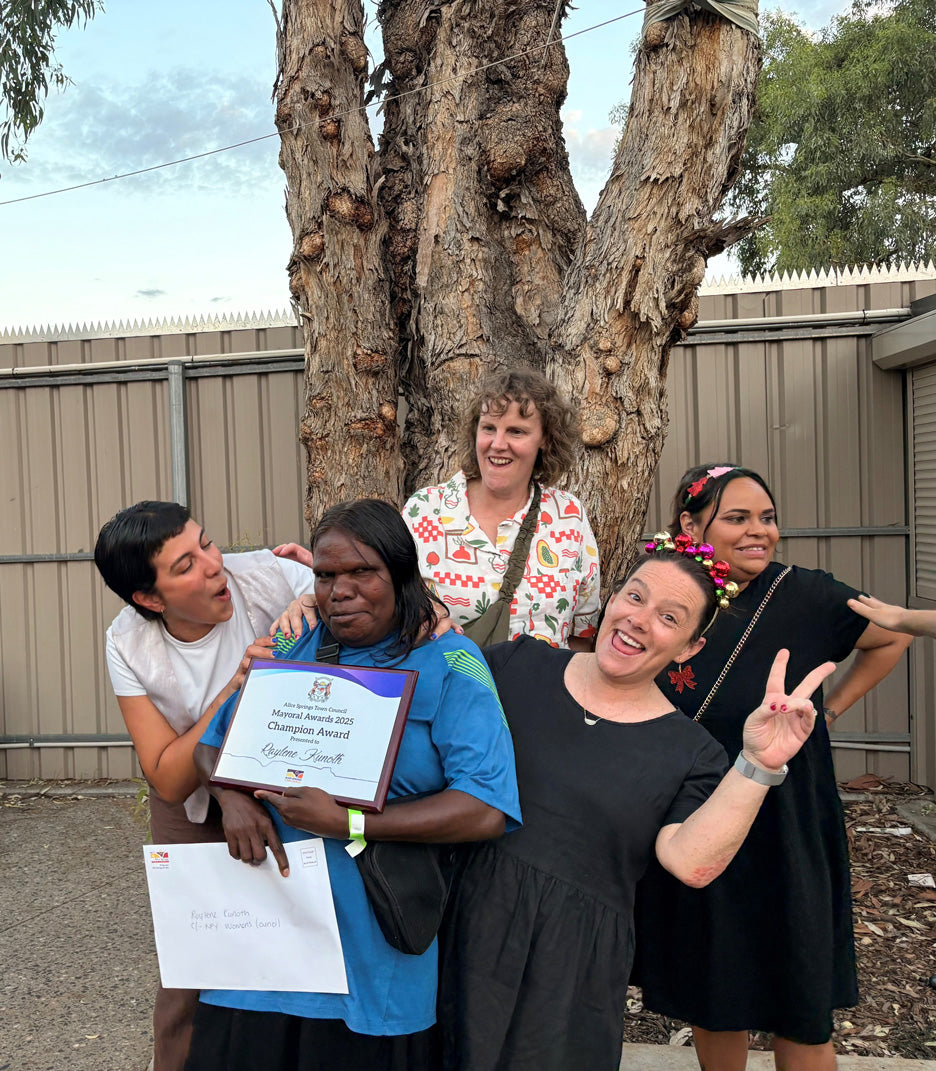
Raylene – Our Disability Advocacy Champion!
We are thrilled to congratulate Raylene, a fierce advocate for those living with a disability in remote communities, for her recent recognition in the Alice Springs Mayoral Awards with a Champion Award on International Day for People with a Disability.
Conquering NDIS Challenges in Remote Areas
Anangu needs ignored in NDIS plans over what is considered “best” for them by planners
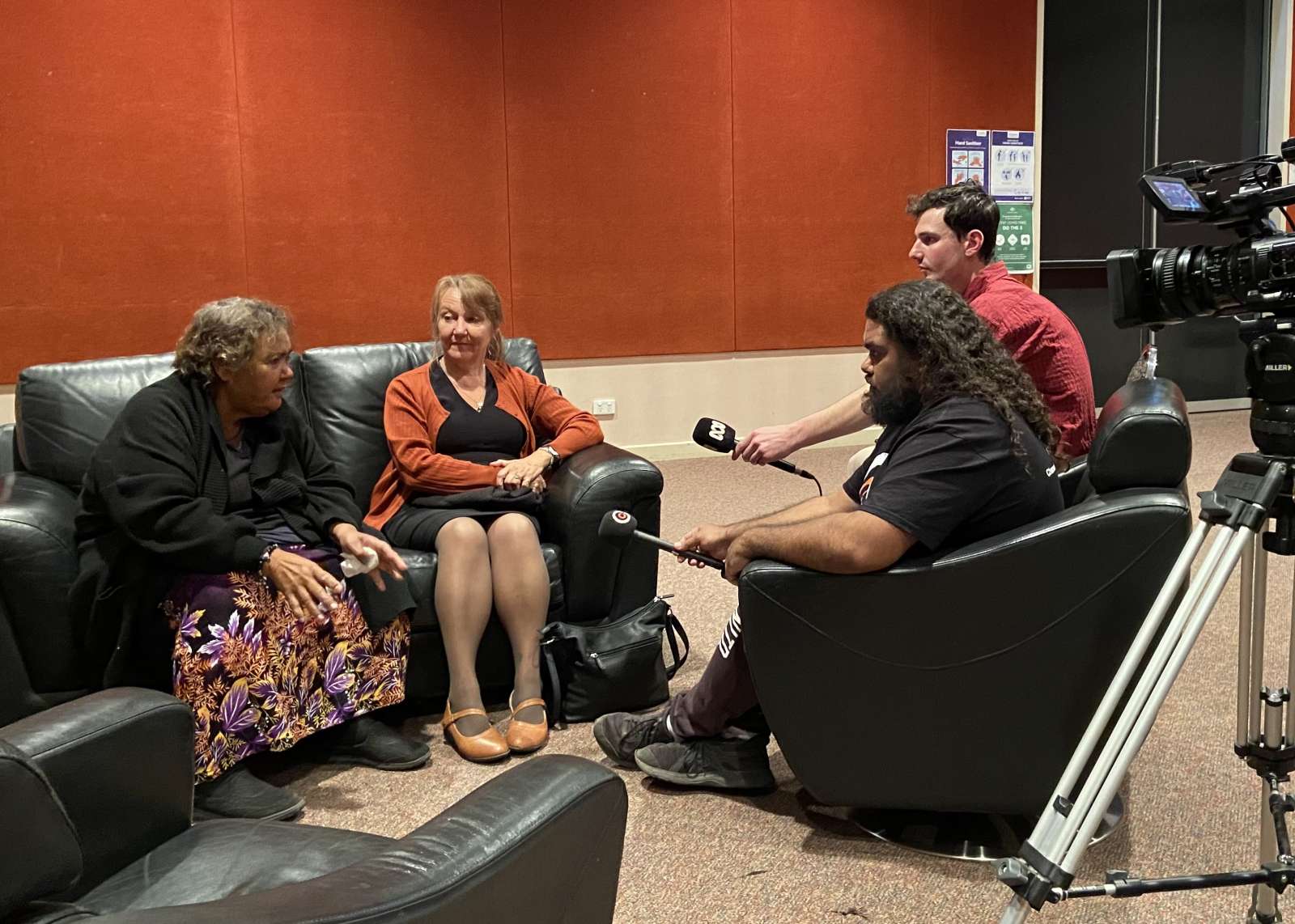
Anangu Tell Their Story at the Disability Royal Commission
Therapeutic support for Anangu child with a disability in Alice Springs is not a “family holiday”
Supporting families caring for people with a disability produces the greatest quality of care. In remote areas where there are little to no specialised services, families step in to the bulk of caring for people with a disability with limited respite.
Speaking at the Disability Royal Commission NPY Women’s Council shared many stories of the extra hardship people with a disability living in remote areas face. Lack of access to therapeutic support & basic disability support services coupled with language and cultural barriers prevent engagement with NDIS plans.
NPYWC told the story of a child with a disability from the NPY Lands needing to access important early intervention therapeutic support in Alice Springs. Due to a range of serious family hardships including domestic violence and overcrowding, the child’s key carer requested that family members (siblings) come with her and the child to Alice Springs for her treatment.
Senior NDIS staff stated they could not support “family holidays”.
NDIS plans focus on the individual and fail to consider the families struggling to support people with a disability, often experiencing extreme financial hardship & with little access to services in their communities. Supporting Anangu families gives people living with a disability out bush the best chance for support.
Read our submission to the Royal Commission into Violence, Abuse, Neglect and Exploitation of people with Disability (an updated statement will be available soon).
Find out about Tjungu our Aged & Disability program
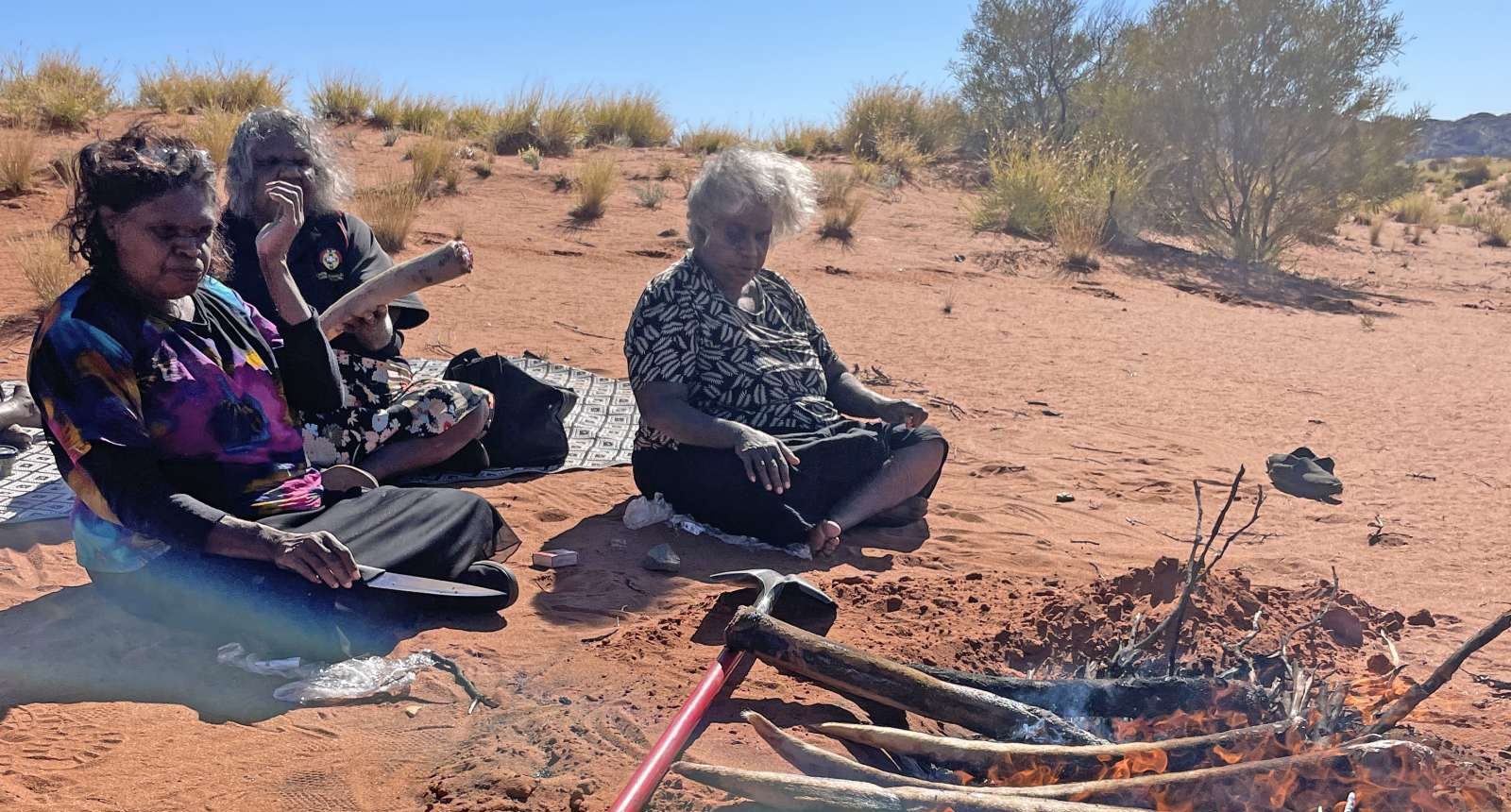
"We don't understand" - Disability Information Not Working
Working to bring cross cultural understanding for disability information in remote communities
A lot of health and disability information sent to remote communities is written in English, uses terminology and have poor distribution channels. Generic disability information often fails to understand the context of remote community life and that prescribed services, examples and health directives are not available or easily undertaken in communities.
We have begun a disability Information Project, we want to know how to best make information people can understand and act upon.

Information is empowering, with good information you can make good decisions. We believe accessible information is key to creating an equitable, inclusive society.
The Tjunguku Information Project has started talking to communities about what disability information people found challenging and what they were interested in learning about. People were interested to learn about different disabilities like Foetal Alcohol Syndrome Disorder, acquired brain injuries, dementia. They wanted to know how to support people living with different mental health conditions and cognitive disabilities.
The Information Project aims to tailor key messages that raise awareness and understanding of different disabilities and where to find support in a way that is both accessible and understandable to remote community members.
The bureaucrats seemed really devastated...some of them were crying
SETTING UP AUSTRALIA’S FIRST ABORIGINAL DISABILITY SERVICE
At the time (1993), I think only one Anangu was registered as disabled. It was my job to travel out bush to find out who had a disability and what was needed.
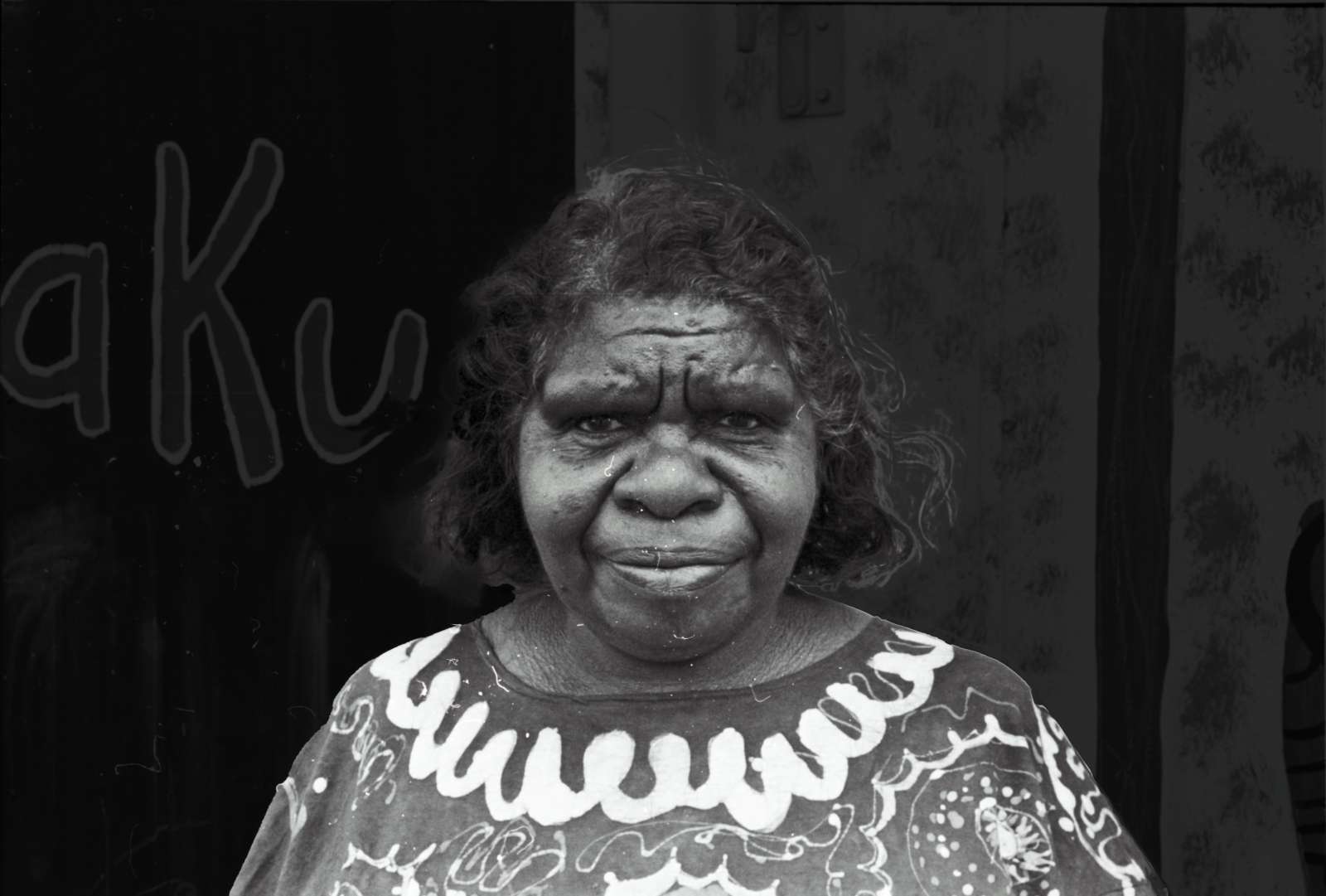
I was a bit shocked even though everyone looked happy. They’d say, come and see this, and they would show me people with serious disabilities. That is when Elsie Wanatjura (pictured) jumped on board. She clearly thought that I would get lost and perish in the desert. She jumped on and from then, everywhere I went, she went with me.
People were living in poverty with extremely bad disability support equipment. One man used to walk around with his prosthetic leg under his arm because it didn’t fit anymore. Wheel chairs were not made for the desert and were pretty unusable. People were really in need of some basic things like proper beds.
We saw how hard carers were working, manually lifting people everywhere. Carers were hand washing blankets due to incontinence, they just needed some support.
Elsie and the women were pivotal in getting funding. They invited different government departments from Canberra to the lands. After a really tedious funding meeting Nura Ward all of a sudden got up and said “Everybody come with me.”
She got everybody in the cars and took them to see her mother who was living in what she called the chook shed out the back of a house. Nura stood there and did a massive rave about why was her mother living like this, being pushed around in a wheelbarrow by her family. She went all over Ernabella showing various people in some pretty shocking circumstances – just the poverty – and by the end of it a lot of those bureaucrats, they seemed really devastated. Some of them were crying.
Nura said it was painful for them to do because they were shamed by it, but they made a point of doing it. They said they had never done that before.
Taken from a conversation with Angela Lynch & Elsie Wanatjura
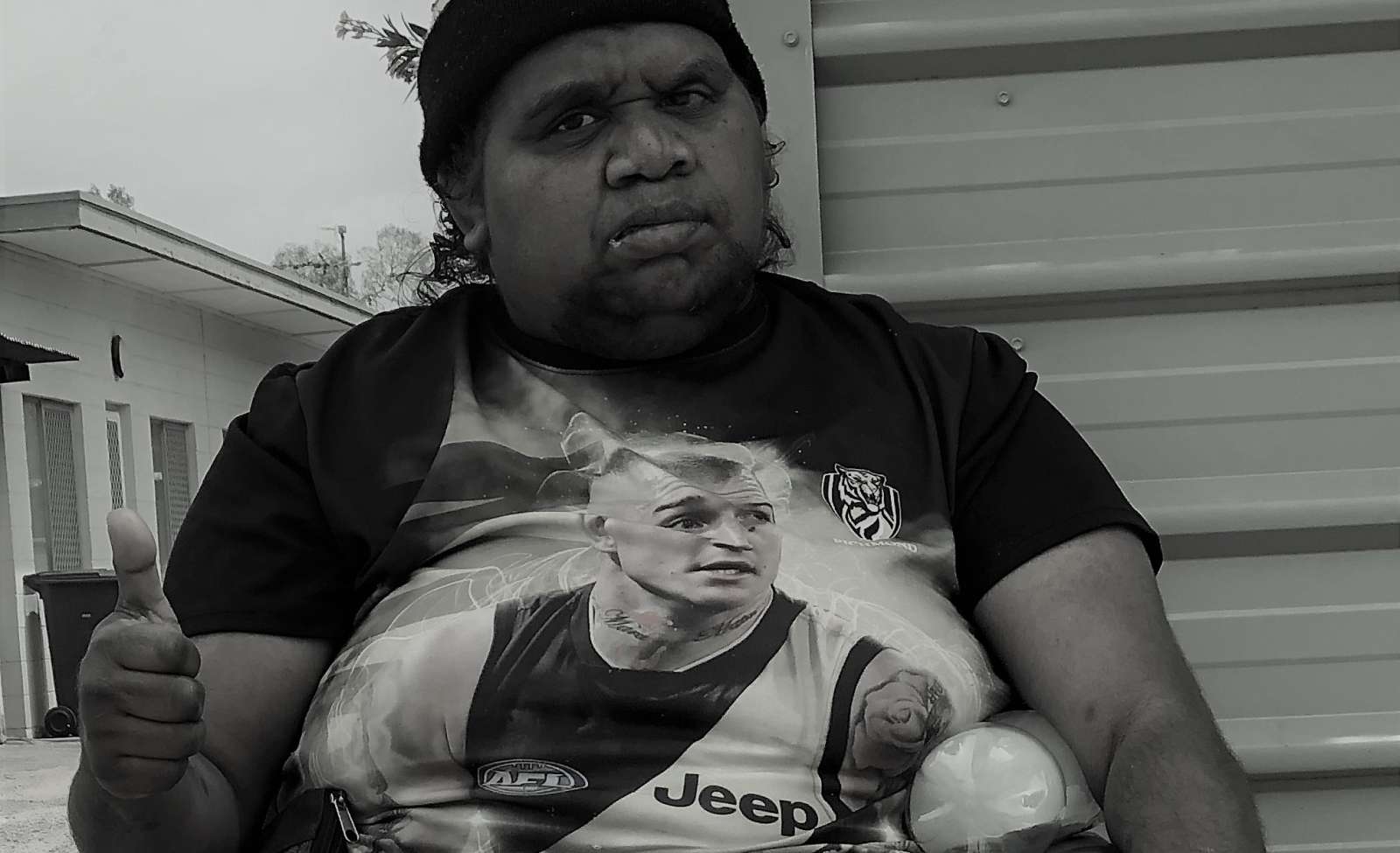
Deep understanding grows big support
Since 1993 NPY Women’s Council has been working on the ground to support & advocate for the aged and people with disability in remote communities.
This deep understanding of local issues and needs has seen NPYWC’s Tjungu – Aged & Disability Service as a trusted place to seek support, care, respite and services.
NPY Women’s Council has worked with the National Disability Insurance Scheme (NDIS) for 8 years to advocate for the needs of people with disability and their families in remote communities.
Language barriers, a lack of services on the ground and transient living situations may mean that remote communities need a different model of support for accessing basic care available in urban centres.
Through our Support Coordination service, NPYWC is able to provide greater choice and control for remote clients who now have a lot more say on how and where they receive support such as:
– Respite
– Transport
– Allied Health services
– Participating in community activities

NPYWC’s understanding of the region and issues experienced by older people have led them to become subcontracted to provide home support assessments in our remote APY & NT communities and to people in Alice Springs.
These assessments are aimed at providing the supports needed to assist older people to live in their own homes for as long as possible with help as required for things like meals, shopping and keeping their houses and yards clean.
The Alice Springs service provides an additional income stream for NPYWC while providing expertise and much needed services on the ground.
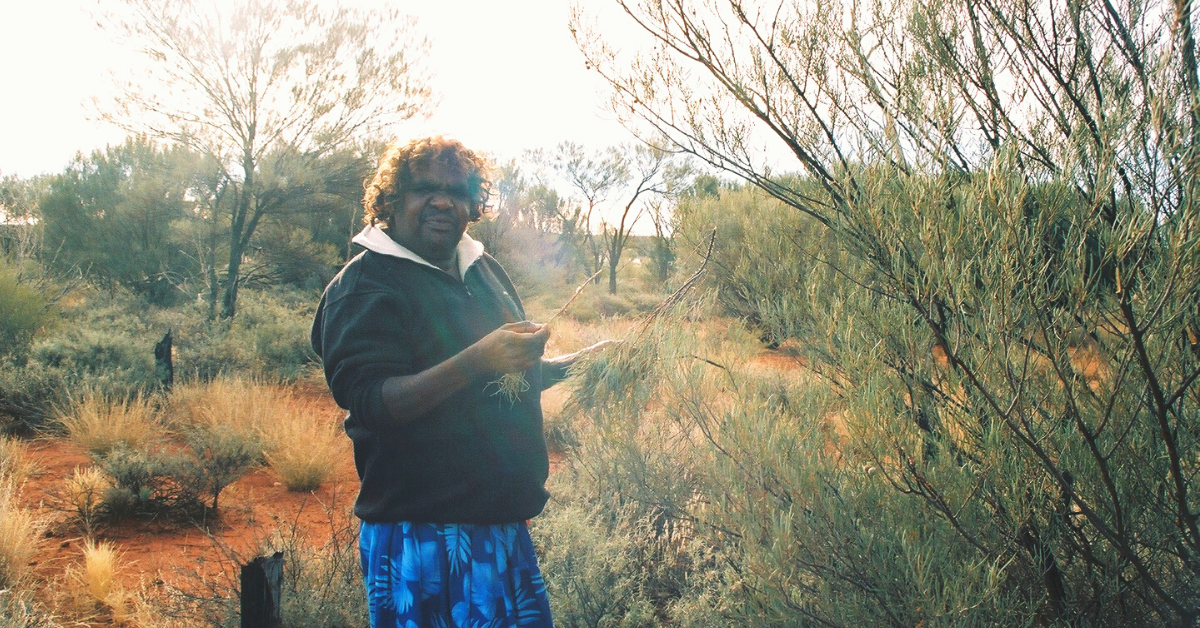
For over 20 years Linda has worked as an Aged & Disability Worker in the remote deserts of WA. Linda has also been a carer for her husband and daughter Janine, born with a disability. Read more to find out about Linda’s story, her 2 week walk to school and the 3 things she describes as important for people working with Anangu in remote communities to know.
I grew up in Warakurna with my family. When I was a bit older we moved to Warburton so we could go school and get an education. At the time Warakurna didn’t really have a school. It took us two weeks walking to Warburton from Warakurna – we hunted and slept along the way. When I had finished my schooling, my family and I moved back to Warakurna.
Back in Warakurna, I met my husband and helped grow up my sister’s children. Later my husband and I moved to Wingellina and I grew up my daughter, Janine.
In Wingellina I worked as a health worker with Nyaanyatjarra Health Service for nearly 20 years. We travelled and worked with other communities nearby: Blackstone, Jameson, Warakurna. After that I worked in the store.

One day I went to a NPY Women’s Council meeting near Kalka. I had not heard of NPY Women’s Council. I was listening to what they were saying. A friend of mine had started to work for NPYWC and a lady, JC asked me “Do you want to work for Women’s Council?” and I said “yes”.
One of the NPYWC Director’s, Nancy Young told me “That’s good you working for Women’s Council.”
It’s now today 2021 and I am still doing that work!
In my work I take old people and people with disabilities for bush dinners, I help clean their room – mopping and all that, I help them with their accessibility needs and I translate for people.
Sometimes Anangu don’t understand what the doctors are saying to them, I help them understand. I also help people with a disability or old people connect with health workers and services.
The best part of my job is seeing all the clients in Warakurna, Warburton, Blackstone, Jamieson, Wanarn and helping them out. I tell staff what the clients need.
A Funny Story
One day we were driving back to Wingellina from Amata and I said to JC “Oh you see that woman on the side of the road, standing there, and she was waving to us, you didn’t see, but I seen it”. We stopped nearby to make kangaroo tail for lunch and M said “we have to go back to get that lady, she still there waiting, we got to pick her up – poor lady”. So JC and M went back down the road to pick up the waving lady. They drove around but in the end they realised what I thought was a waving lady was really just a tree that looked like a woman.
Three important things to know when you work out bush
Nintitjaku – to learn
Malpa – friend
Purkara Purkara – go slowly

Read more about the NPYWC Tjungu Aged & Disability Service here
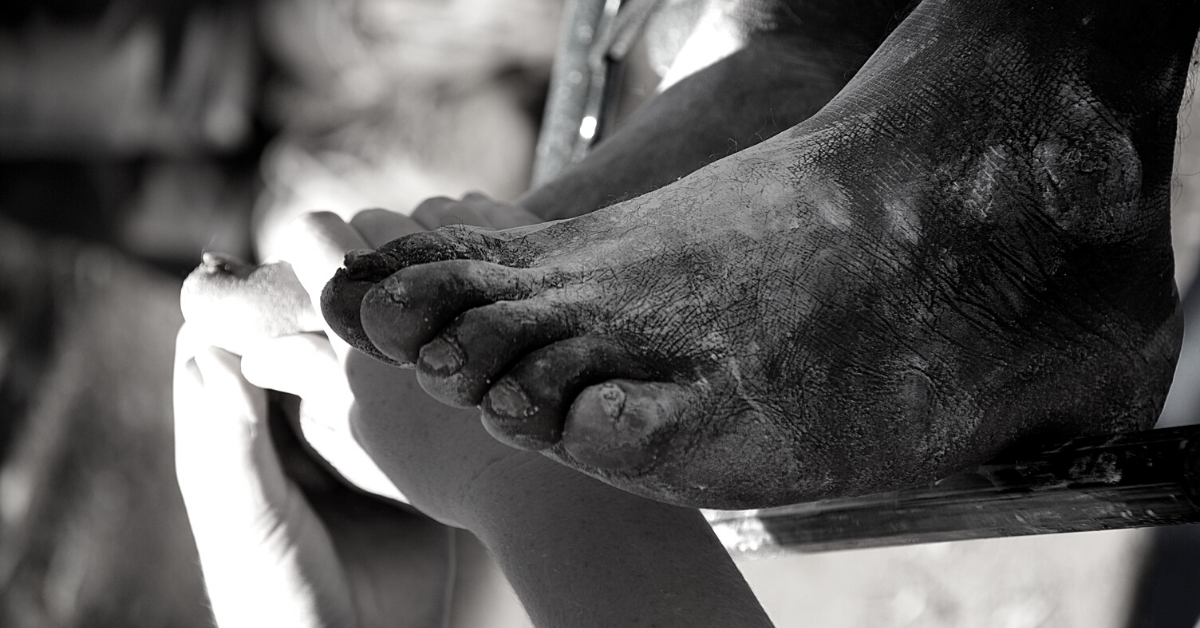
Rates of disability in remote communities are at least twice those of mainstream Australia. Poverty is endemic in remote communities and there is competition for basic resources, particularly food, bedding and clothing. This can lead to abuse and or neglect of vulnerable people including those with disability, a situation which can be accepted and normalised. NPY Women’s Council has presented a submission to the Royal Commission into Violence, Abuse, Neglect & Exploitation of people with a Disability.
NPY Women’s Council is supporting people to tell their story to the Disability Royal Commission into Violence, Abuse, Neglect & Exploitation of People with a Disability and will help people to talk about their experiences in a safe and private way.
Led by Munatji McKenzie, the NPY Women’s Council’s Tjungu team will travel across the NPY Lands to interview Anangu with a disability about their experiences, and offer access to culturally appropriate counselling as a part of the process.
The NPY Women’s Council’s Tjungu team has presented a submission to the Royal Commission that identifies the very real experience of people living with a disability on the NPY lands.

The report addresses key issues including:
· Anangu with disability have clearly stated that they want to continue living on their traditional country with family and culture despite the lack of services in remote areas
· Endemic poverty in remote communities leave Anangu with a disability and their carers focused on their immediate survival needs, therapeutic services can be seen as a secondary priority
· Endemic poverty in remote communities leaves Anangu with a disability vulnerable to neglect and abuse due to day to day competition for basic resources such as food
· There is a lack of understanding from entities such as NDIS about the support Anangu want and need due to cultural and language barriers
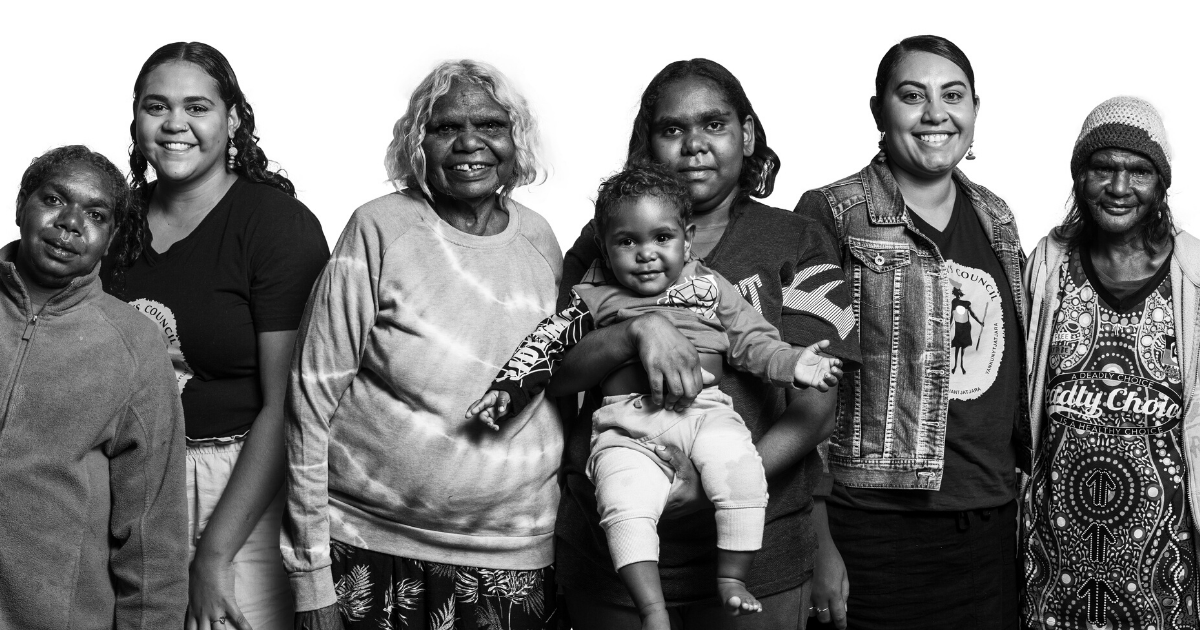
Tailoring services to succeed in remote communities
A diverse set of cultural and language barriers can prevent remote Aboriginal carers access the support available to their urban counterparts.
The NPY Women’s Council’s Tjungu program has now been funded to work with Carers SA, the regional delivery partner of the Carer Gateway, to tailor support services for carers on the NPY Lands. As Regional Delivery Partners, the Tjungu team are able to mirror services in culturally appropriate ways, allowing Anangu carers to gain access to services readily available to urban carers.
These programs are vital in making sure Anangu with a disability are not excluded from support they need:
Carer Support Planning
Many remote carers have difficulty engaging with online systems that require a high level of English literacy and understanding of complex administrative processes to access. The Tjungu Team will work with remote carers to make referrals and reviews on the carer’s behalf, ensuring Anangu with a disability are not excluded from gaining access to funding and support services.
In-Person Peer and Counselling Support
Peer Support & Counselling services are important to allow carers share experiences, learn from each other cope with an often stressful caring role. Currently, many of these services are offered online or by phone. Anangu carers with English as a second language and limited rapport with unfamiliar persons that are not aware of their background or circumstance find this difficult to access. The Tjungu team will support culturally appropriate ways of connecting and facilitating Anangu carers to support each other such as regular bush picnics with Tjungu team support staff.
Carer Directed Support
Remote community carers do not have access to respite services offered in cities such as meal and transport assistance. The Tjungu team will work with carers to establish what support best suits their needs. This may mean very practical support for basic needs such as the provision of linen, bedding and clothing.
Find out more about the Tjungu Aged & Disability Care Service
Some things are more important than services
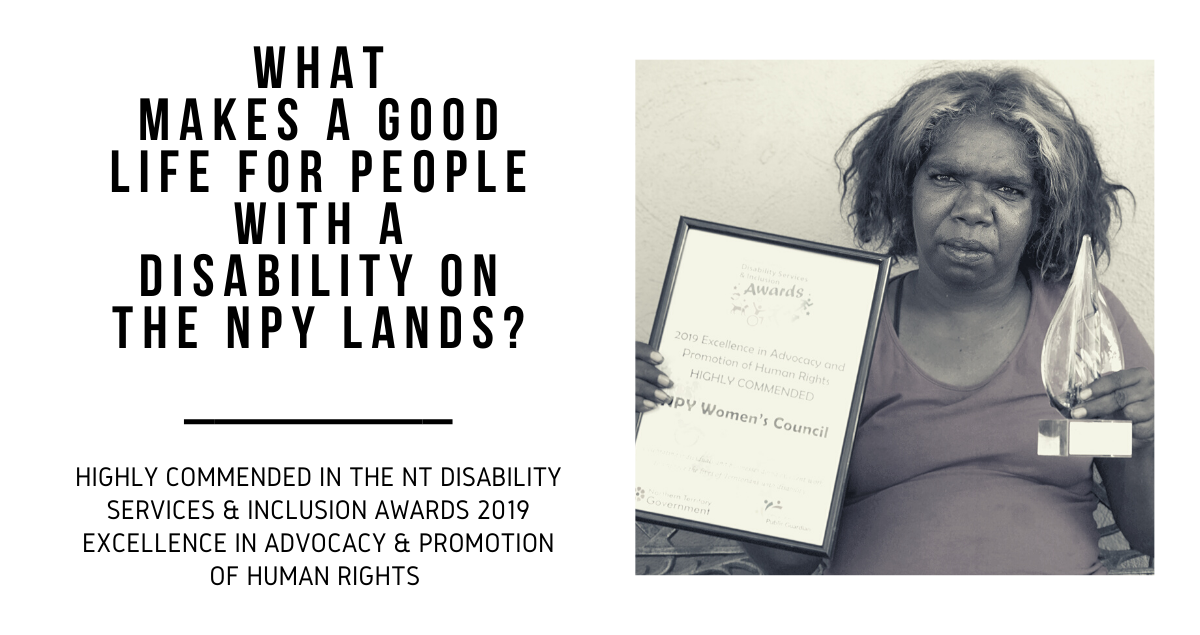
NPY Women’s Council Tjungu Aged & Disability Service is proud to be Highly Commended in the NT Disability Services & Inclusion Awards 2019 Excellence in Advocacy & Promotion of Human Rights for the Research Report “Walykumunu Nyinaratjaku” To Live a Good Life.
This research project was initiated by NPYWC and asked the question, ‘What makes a good life for Aboriginal people with a disability from the Ngaanyatjarra, Pitjantjatjara and Yankunytjatjara (NPY) Lands?
The most significant finding of this research is that Aṉangu and Yarnangu with a disability want to live in their communities, on the NPY lands, with family. This is more important to them than the quality of care they receive, or the availability of services. It is important despite the difficulties they encounter in accessing basic daily amenities including food, clothing and bedding, which remain a major priority for people living in community.
For those Aṉangu and Yarnangu with a disability who are living in community, a good life also means being included and participating in cultural, family and community activities such as arts and crafts, bush trips, bush medicine, music, television and movies, sport, socialising, spiritual life and shopping.
All interactions between Aṉangu and Yarnangu with disability, their carers, service providers and policy makers should be based on internationally recognised human rights and responsibilities. Regardless of geographic location, all people with disability should be able to obtain culturally appropriate support and the services they need to live a good life.
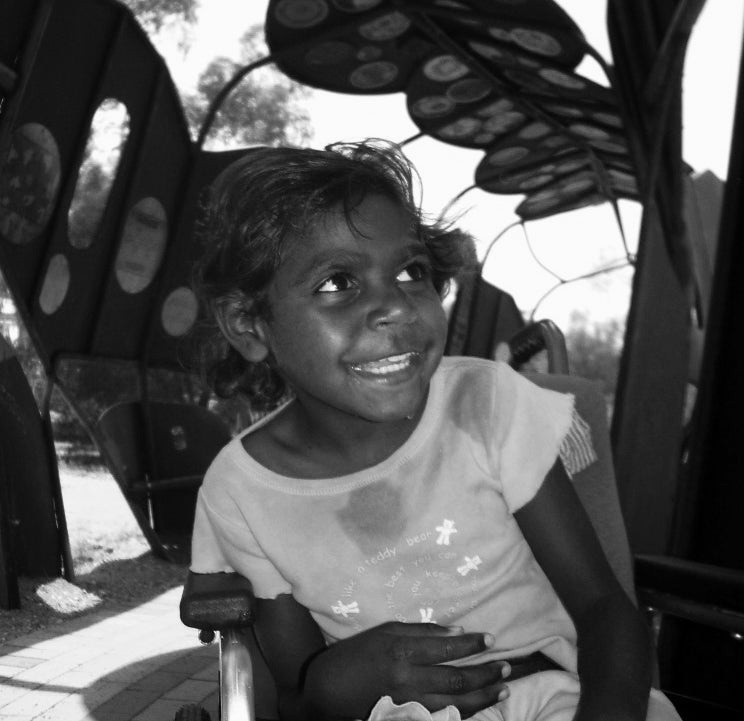
Looking after Children with Disabilities in the NPY Lands

Remote carers of children with a disability raised a number of issues that impacted on their ability to give children the best possible support and quality of life in NPYWC’s Tjungu Service’s new research “Looking after Children with Disabilities from the NPY Lands” .
The research found that many carers had to focus on providing basic needs such as where the next meal was coming from, before being able to consider greater therapy requirements of children.
A major finding was the number of children who had to leave the Lands because of the lack of support services- it was too hard for family carers, who often were frail or chronically ill themselves to support children as they grew.
Some families had been obliged to surrender their parental rights in order to get appropriate help for their children.
Families grieved for their children, who had in turn, lost family, language and culture. People asked for support to find out where the children were, and to visit them. ‘I just want to cuddle my son’, said one man.
Distance to services and the need for greater cultural awareness and relationship building from service providers were also among key findings.
The research was funded by the Australian Research Council and was a collaboration between NPYWC, Sydney University, Poche NT and the Centre for Remote Health NT.
Read more about the Tjungu Aged & Disability Service
Read the “Looking after Children with Disabilities in the NPY Lands” research