Skip to content

Your donation supports the voices and leadership of Aṉangu women across the Ngaanyatjarra, Pitjantjatjara and Yankunytjatjara Lands. NPY Women’s Council is an Aboriginal-led organisation created by women for women, focused on improving health, safety, culture and community wellbeing in remote Central Australia.

We appreciate any contribution you are able to offer.

Please fill out the form below to make a donation.

Cart

Your cart is empty

Donate

Article: Conquering NDIS Challenges in Remote Areas

Conquering NDIS Challenges in Remote Areas

Conquering NDIS Challenges in Remote Areas

Anangu needs ignored in NDIS plans over what is considered “best” for them by planners

NDIS plans are vital in the support and funding provided to people living with a disability. In remote communities, against a backdrop of little English and complex bureaucratic jargon, people’s plans often do not reflect what Anangu want or need, but what is often devised to be what is “best” for them.

People’s plans are often written in language that is not comprehensible to Anangu and can refer to programs and services which are unavailable in the NPY Lands. Sometimes the goals are generic, and do not relate to the participant at all.

Here are some examples:

A non-literate twenty-year-old young woman with vision impairment, hearing impairment, an intellectual disability and mental health issues was given the NDIS goal of starting a small business.The young woman requires support and supervision to complete daily self-care and domestic tasks.

A large fraction of participants’ plans includes a goal of improving people’s communication skills because NDIS planners are unable to understand them.
One 60-year old Pitjantjatjara speaking man’s NDIS plan includes a goal specifying improvement in communication “I will learn how to read and write and be confident in dealing with government and non-government agencies such as Centrelink and the bank.” This was not expressed by the participant but assumed by the NDIS planner and would require education, support and extensive travel to cities to undertake.

Many plans state goals that require services not available in their communities like a 12 month old girl who was given the goal of feeding independently without a feeding tube to be supported by the Families at First Teachers program that didnt exist in her community.

Goals such as these not only require services that are not available on the Lands, they provide an inappropriate foundation for service providers to work with Anangu under their NDIS plan.

NPYWC has conducted much research to find out what makes a good life for Anangu living with a disability. People stated they wanted to stay on the Lands with family, country and culture. They wanted practical everyday help such as meals, bedding and respite, and transport to events that are a part of community and cultural life. Because kinship is the central organising principle in the social life of Anangu, they said that support plans need to include the family of the person with a disability.

Because Anangu are often unwilling to directly contradict others, they may not speak up about what they want. They need trusted advocates who are able to support them in speaking up, or are able to speak up on their behalf. NDIS plans that don’t listen to Anangu minimises people’s commitment to engage with the NDIS and with therapeutic programs.

Read our submission to the Joint Standing Committee on the NDIS Inquiry into NDIS participant experience in rural, regional and remote Australia

Read more about the NPYWC Tjungu team


Read more

Providing Activities For Growth That Most Australian Children Take For Granted
Youth

Providing Activities For Growth That Most Australian Children Take For Granted

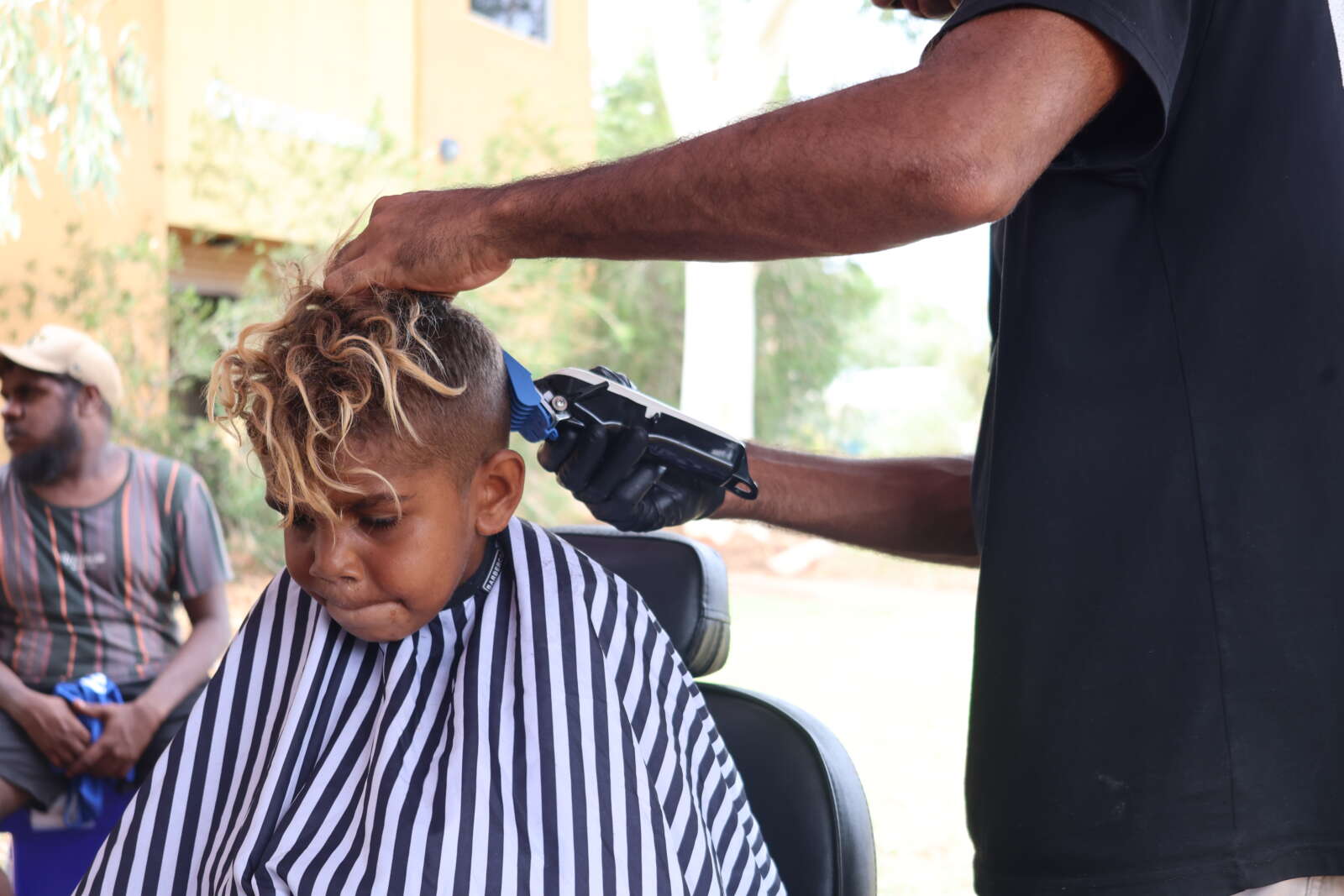
In big cities and regional areas young people can access activities like sports, and music classes fairly easily. In remote communities the situation is very different. From getting your hair cut to accessing movies, learning art, cooking or sports often relies on youth services like NPY Women’s Council. The activities provide more than entertainment, they also young people’s wellbeing, confidence. The activities are also commonly supported as a diversion activity for youth and a solution to reducing anti-social behaviour.

Read more
Celebrating the Work of Senior Pitjantjatjara Man David Miller
Ngangkari Traditional Healers

Celebrating the Work of Senior Pitjantjatjara Man David Miller

From stockman to supporting resistance against violence to women

David Miller has spent the last 8 years working to support resistance against violence to women and the mental health of young men and in remote communities through NPYWC’s Uti Kulintjaku (UKW) initiative. Last week David announced his retirement from the UKW initiative that he was a leader and founding member of.

Over his long and impressive life David has worked in many roles including stockman, educator, artist and community leader. David has also worked with NPYWC’s Uti Kulintjaku Watiku initiative on the award-winning book Tjanimaku Tjukurpa and was featured in Atunymanama, a book celebrating Anangu men as care-givers, teachers and leaders.

Here is an exert from Atunymanama from David:
Ka alatji nyanga paluru tjana nganampa nganananya tjamu tjutangku nintira wantikatingu Kutangku kutjupa tjutangku mukulyangku tjamungku uwankara nganana kanyintjaku nyanga paluru tjananya uwankara kuka kulu-kulu atunymankunytjaku malu palyantjaku uwankara. nganampa wantikatingu. Ka-la nyanga palulanguru nganana nintini yangupala nganampa tjuta malatja-malatja ka tjana ngapartji palumpa tjanampa tjitji ma nintini.

Tjukurpa nyanga palunya tjana ngananya-languru kulira? Ka kuwari mankur-mankur-pa nyinanyi ngaltutjara tjilpi. Palu tjukurpa kunyu nyuntu nganana ungkukati munu . . . Tjukurpa winki wiyaringkunytja wiyangku wantikati nganampa tjamu tjutangka malanypa tjutangka.

So, this is the way our grandfathers taught us. Many different people – older brothers, grandfathers – lovingly gave us this knowledge to keep. They taught us everything. How to look after the animals as well and how to prepare meat in the proper way. They left this knowledge behind for us. And it is from this knowledge that we are teaching the young fellas – all of our descendants – so that they, in turn, can teach their children.

Who are they going to get their understanding of this law from? Today there are only a handful of the older men living, sadly. But, of course, we keep on giving as we go along, to leave behind all of the law with our grandsons and younger brothers, so it will not be lost.

Thank you for your work David!

Listen to David read Tjanimaku Tjukurpa here

Shop Atunymanama here

Screenshot 2024-04-23 103021

Read more