Skip to content

Your donation supports the voices and leadership of Aṉangu women across the Ngaanyatjarra, Pitjantjatjara and Yankunytjatjara Lands. NPY Women’s Council is an Aboriginal-led organisation created by women for women, focused on improving health, safety, culture and community wellbeing in remote Central Australia.

We appreciate any contribution you are able to offer.

Please fill out the form below to make a donation.

Cart

Your cart is empty

Donate

Article: Anangu Tell Their Story at the Disability Royal Commission

aboriginal disability

Anangu Tell Their Story at the Disability Royal Commission

Therapeutic support for Anangu child with a disability in Alice Springs is not a “family holiday”

Supporting families caring for people with a disability produces the greatest quality of care. In remote areas where there are little to no specialised services, families step in to the bulk of caring for people with a disability with limited respite.

Speaking at the Disability Royal Commission NPY Women’s Council shared many stories of the extra hardship people with a disability living in remote areas face. Lack of access to therapeutic support & basic disability support services coupled with language and cultural barriers prevent engagement with NDIS plans.

NPYWC told the story of a child with a disability from the NPY Lands needing to access important early intervention therapeutic support in Alice Springs. Due to a range of serious family hardships including domestic violence and overcrowding, the child’s key carer requested that family members (siblings) come with her and the child to Alice Springs for her treatment.
Senior NDIS staff stated they could not support “family holidays”.

NDIS plans focus on the individual and fail to consider the families struggling to support people with a disability, often experiencing extreme financial hardship & with little access to services in their communities. Supporting Anangu families gives people living with a disability out bush the best chance for support.

Read our submission to the Royal Commission into Violence, Abuse, Neglect and Exploitation of people with Disability (an updated statement will be available soon).

Find out about Tjungu our Aged & Disability program


Read more

aboriginal anangu aboriginal culture
Youth

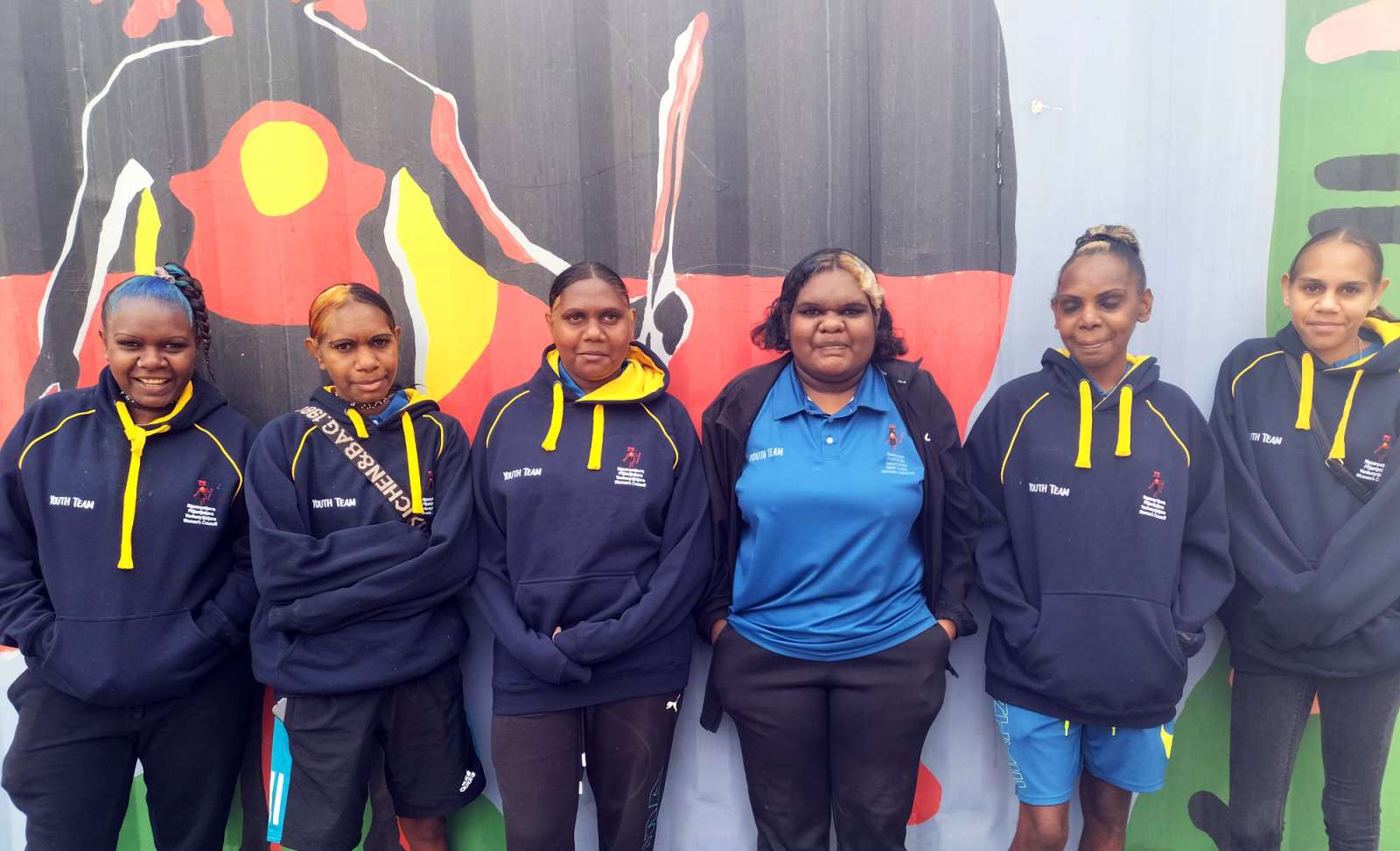
Meet The Kungka Tjuta Putting Their Hands Up For Jobs!

Crossing language and cultural barriers can be challenging when you are looking for work.

Meet Keisha, Alicia, Cynthia, Anne-Marie, Delicia and Shalaylee . They are our latest recruits to the NPYWC Iwara Program. Iwara is the Pitjantjatjara word describing pathway, and in this context a pathway to employment. From Kaltukatjara (Docker River) and Imanpa, the girls all went through a formal application process to join the program. This made sure everyone was dedicated, showed initiative and had a heap of determination.

Iwara is an 8 week intensive program based both in Alice Springs and out bush that helps young school leavers from the remote NPY lands get ready for real work in their communities and beyond. The program looks at:Employers expectations

  • Administration skills
  • Confidence and communication
  • Experience in the workplace
  • Experience running activities

Its challenging & pushes you out of your comfort zone… Iwara aims to help young people get confident and build skills for jobs that may exist in their home communities.

Iwara is in its second year after a really successful debut seeing all graduates of the program begin work their own communities.

Iwara has a strong sport and recreation focus with young participants running sports activities with young people.

An Iwara guys group will be starting soon!

Find out more about the NPYWC Youth Service

Read more
child protection
Child & Family Wellbeing

A Grandmother's Two-Year Fight

When a three-year-old was taken into non-Aboriginal foster care, child protection began looking for kinship care. Kinship care is the best outcome for children removed from their parents – it keeps children safe and connected to family and culture.

The child’s grandmother expressed great interest in being the kinship carer. The grandmother contacted NPY Women’s Council to help her understand the process. Navigating beaurocratic systems is always complicated but this is compounded when English is not a first language.

The process became increasingly complicated as the grandmother lived in a different state to her grand-daughter. The family lived in Central Australia at the tri-state junction of NT, SA & WA. During this time the child’s parents also moved across borders throwing the case into a complex limbo across states.

While constantly monitoring and supporting the grandmother seeking to gain care of her grandchild, massive delays occurred due to changes in case direction across states, the difficulty of completing carer assessments across borders, non-transferability of carer assessments, time-lag in transferring the case via the interstate liaison process, the timing out of assessments and delays in probity checks and housing checks. This all amounted to a two year delay in the placement of the child with her family and culture.

These administrative issues also meant that the child had no potential to be re-united with her parent either, even if their situation and ability to parent improved.

NPYWC Child & Family Wellbeing Service consistently advocated for the kinship assessment process to continue, despite the complexities to ensure the young person’s connection to language, culture and country continued. The grandmother was successfully assessed as a kinship carer and the child returned to her family and community in July 2022.

NPYWC will continue to advocate for a cross border Child Protection Framework to ensure that all children in need remain with their family and community, and heartbreak for both child and family is lessened.

Read more about the Child & Family Wellbeing Service

Read more