Skip to content

Your donation supports the voices and leadership of Aṉangu women across the Ngaanyatjarra, Pitjantjatjara and Yankunytjatjara Lands. NPY Women’s Council is an Aboriginal-led organisation created by women for women, focused on improving health, safety, culture and community wellbeing in remote Central Australia.

We appreciate any contribution you are able to offer.

Please fill out the form below to make a donation.

Cart

Your cart is empty

Donate

Article: Royal Commission - many Anangu with a disability have never told their story or reached out for help before

Royal Commission  - many Anangu with a disability have never told their story or reached out for help before

Royal Commission - many Anangu with a disability have never told their story or reached out for help before

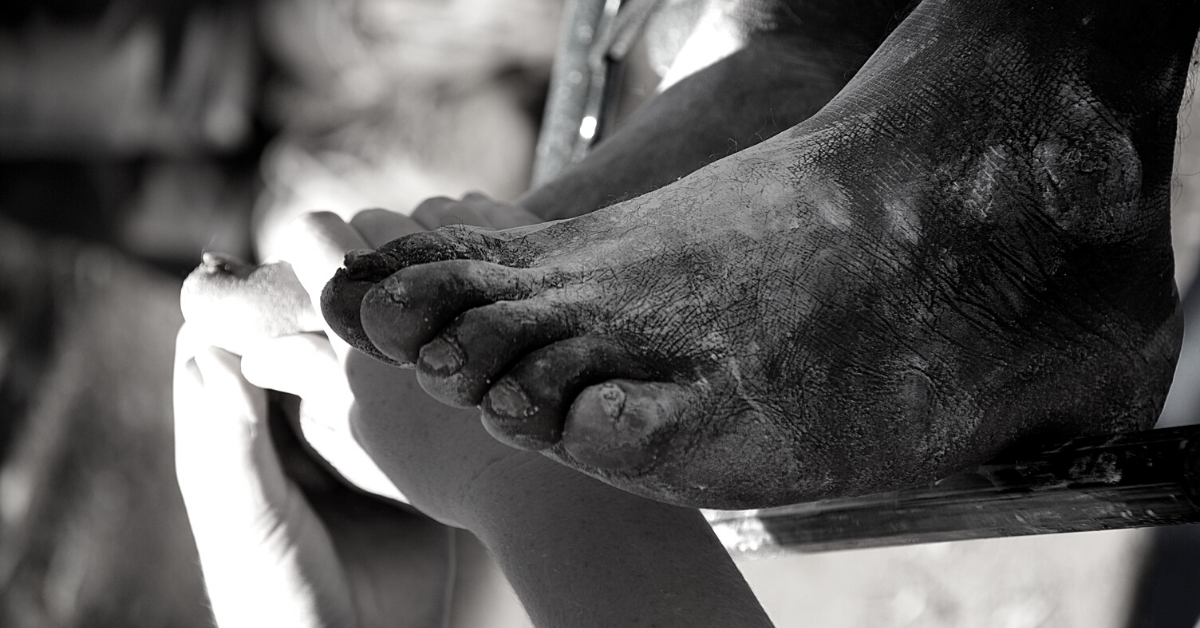
Rates of disability in remote communities are at least twice those of mainstream Australia. Poverty is endemic in remote communities and there is competition for basic resources, particularly food, bedding and clothing. This can lead to abuse and or neglect of vulnerable people including those with disability, a situation which can be accepted and normalised. NPY Women’s Council has presented a submission to the Royal Commission into Violence, Abuse, Neglect & Exploitation of people with a Disability.

NPY Women’s Council is supporting people to tell their story to the Disability Royal Commission into Violence, Abuse, Neglect & Exploitation of People with a Disability and will help people to talk about their experiences in a safe and private way.

Led by Munatji McKenzie, the NPY Women’s Council’s Tjungu team will travel across the NPY Lands to interview Anangu with a disability about their experiences, and offer access to culturally appropriate counselling as a part of the process.

The NPY Women’s Council’s Tjungu team has presented a submission to the Royal Commission that identifies the very real experience of people living with a disability on the NPY lands.

The report addresses key issues including:

· Anangu with disability have clearly stated that they want to continue living on their traditional country with family and culture despite the lack of services in remote areas

· Endemic poverty in remote communities leave Anangu with a disability and their carers focused on their immediate survival needs, therapeutic services can be seen as a secondary priority

· Endemic poverty in remote communities leaves Anangu with a disability vulnerable to neglect and abuse due to day to day competition for basic resources such as food

· There is a lack of understanding from entities such as NDIS about the support Anangu want and need due to cultural and language barriers
Read NPY Women’s Council submission to the Royal Commission into Violence, Abuse, Neglect & Exploitation of people with a disability.

Find out more about the Tjungu Team and their work

Read more

Indigenous weavers domestic violence
Domestic & Family Violence

Creating a space to weave, connect & check in

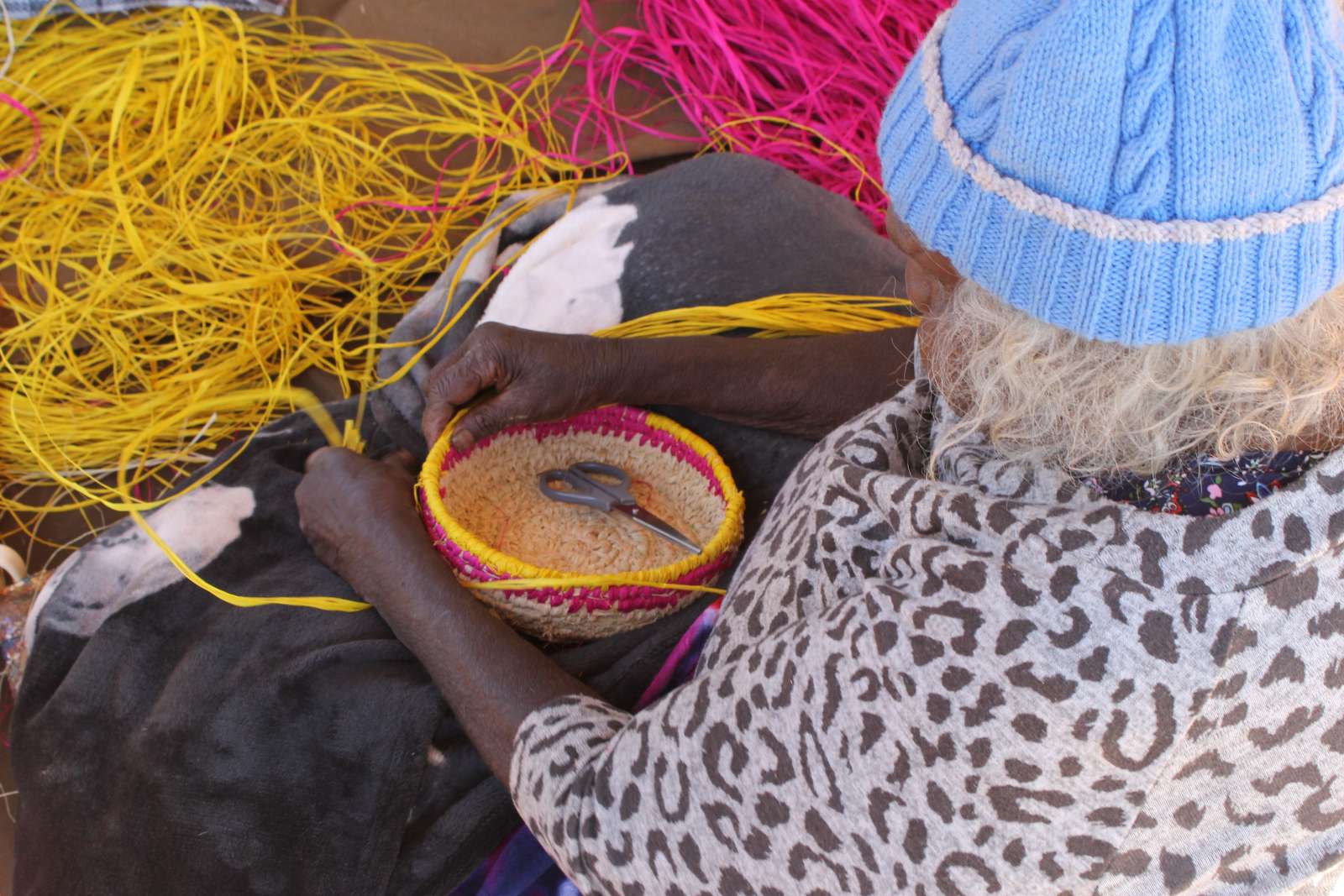
In the first set of Tjanpi workshops since biosecurity restrictions were lifted, Tjanpi loaded a car load of Tjanpi supplies for hungry weavers. The workshops offered an opportunity to reconnect, weave and talk about people’s wellbeing during the pandemic. The workshops were a new collaboration between Tjanpi and the NPYWC Domestic & Family Violence Service and supported discussion around the threat of heightened family violence during COVID lock-downs.

Workshops in Docker River and Mutijulu created a space to weave, talk and reconnect after limited travel during biosecurity measures in the NPY Lands. In a relaxed and supportive environment, Tjanpi and the Domestic & Family Violence Service (DFVS) were also able to pave the way for deep and profound discussions regarding domestic and family violence.

While successful in producing amazing new tjanpi work, the workshops have also provided the opportunity for new relationship building and DFV awareness.

This project was funded by the Central Land Council grants supporting: Provision of support services for residents of Aboriginal communities affected by restrictions imposed to reduce the spread of COVID-19

Find out more about NPYWC Family & Domestic Violence Service

Find out more about NPYWC Tjanpi Desert Weavers

Read more
Domestic & Family Violence - Ways of Working: Holding onto Hope
Domestic

Domestic & Family Violence - Ways of Working: Holding onto Hope

Our Domestic & Family Violence Service staff are on the phones every day of the week talking with women who call from all across the NPY lands. These relationships have developed over many years and when women call they know they will talk to a worker who knows their community and who they may have met out bush or in town, where they sat down and talked.

Our relationships grow over time, hearing stories of family and community, her work, her painting or tjanpi making, and other things she loves. We might talk about good things that have happened in the past, stories of her grandmother, of being a good mother and daughter. The conversation focuses on her journey which might include her sadness. It might include the violence she is experiencing; it is a travelling journey she is on and the sadness is like a roller coaster.

There is much practical support that women might want and we can help with to ensure her safety and that of her children. When she is feeling safe again, we might talk about the stories she told us in the past – of her hopes and dreams and she will feel strong like a tree. She will feel like it’s a new start and she will never give up.

Find out more about the Domestic & Family Violence Service

Read more