
Tjukurpa Nganampa Wanantjaku - Our New Research Guide for Working With Aṉangu
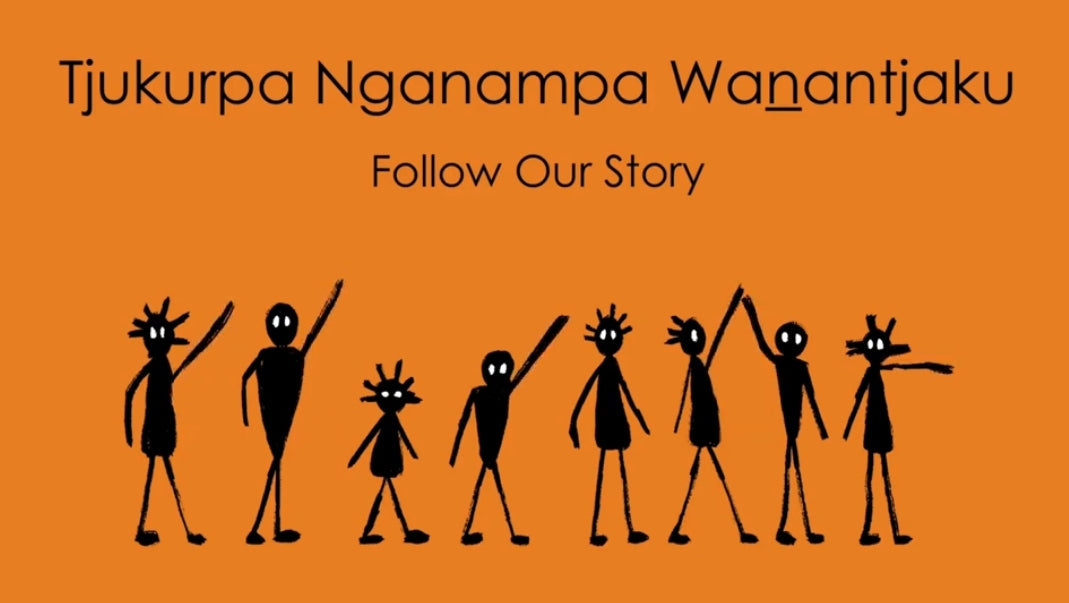
Translating from Pitjantjatjara to “follow our story” in English, Tjukurpa Nganampa Wanantjaku was created by the Research and Policy team at NPY Women’s Council, our Chairperson Mrs Smith, and supporting Anangu Directors. It exists to protect Anangu knowledge and ensure that when research is undertaken, it leads to meaningful, shared outcomes that genuinely benefit community.
Aimed at researchers, potential partners and collaborators, the following animation introduces the guide in Pitjantjara and English through the voice of our Chairperson, Mrs Smith:
Tjukurpa Nganampa Wanantjaku builds upon existing Anangu-led action research models introduced by the late Mrs T Colin of NPY Women’s Council in 1992, alongside decolonised research practices that merge Indigenous methodologies with an Anangu way of being, doing and knowing. This is achieved by clearly identifying and defining the key components of the research framework to ensure the research both is and promotes:

At NPY Women’s Council, we want to continue to build partnerships but make sure the stories stay with Anangu, and that Anangu benefit from sharing their stories.
Through Iwara Wanala (to follow the road/ path), by giving back to community or support community directly through donations from research, Anangu can lead a process of storytelling and take researchers by the hand, to make sure stories are shared on their own terms. The key components of Tjukurpa Nganampa Wanantjaku are also supported by key cultural protocols to consider when working alongside Anangu on the NPY Lands. Our Chairperson, Mrs Smith, believes in the importance of updating our processes and frameworks to preserve Anangu ways of being doing and knowing.
Anangu want a clear understanding of the work you are doing, for us to understand really clear - you know - about research. Through this animation and guide Anangu are helping you understand more clearly.
The animation helps Anangu understand in our own language too you know, it's for you and for us, for both of us, for a clearer understanding about working with us on research. It’s important for you to make sure our voices are heard and to understand more clearly what Anangu need.
-Mrs Smith, NPY Women’s Council Chairperson
The guide helps us continue to meet our strategic objectives of an Anangu-led voice, evidence-based practice, financial sustainability, stronger stakeholder relationships, financial sustainability and a greater promotion of Anangu culture, governance and agency. The protocols outlined in the framework continue to keep the safety and respect of Anangu paramount in our work.
For more information on ethics processes, our advocacy priorities, and how you can engage NPY Women’s Council in your research, please visit our research requests page and complete an expression of interest. You can also contact research@npywc.org.au directly.
We look forward to hearing from you! Palya!