

Our Voices, Our Stories
Where the voices, journeys, and projects of the NPY Women’s Council come alive. Here we share perspectives from across our communities; the wins, challenges, and everyday moments that shape our collective story.
Stories
Uti Kulintjaku Celebrates Mental Health Month: Real Voices, Real Change
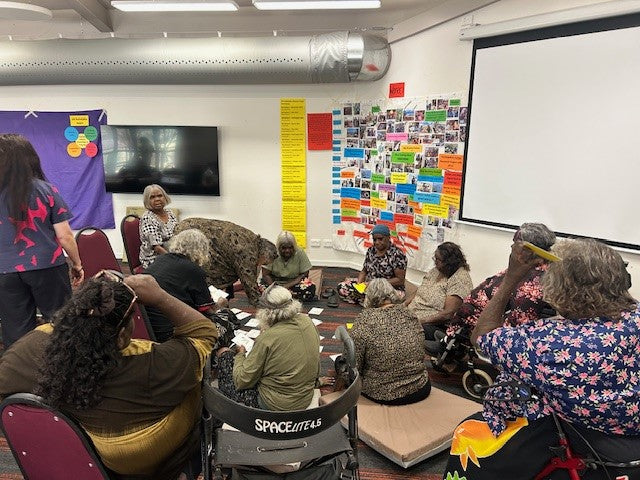
This Mental Health Month, Uti Kulintjaku is celebrating with the release of three new meditations and a range of community outreach activities, including visits to local schools and Alice Springs Correctional Centre. Through this work, the team hopes to share these resources and understandings more broadly within the community while expanding opportunities for intergenerational listening, thinking and understanding clearly from the perspective of Anangu.
Tjina Ankunytjaku: Footsteps That Carry Knowledge Forward
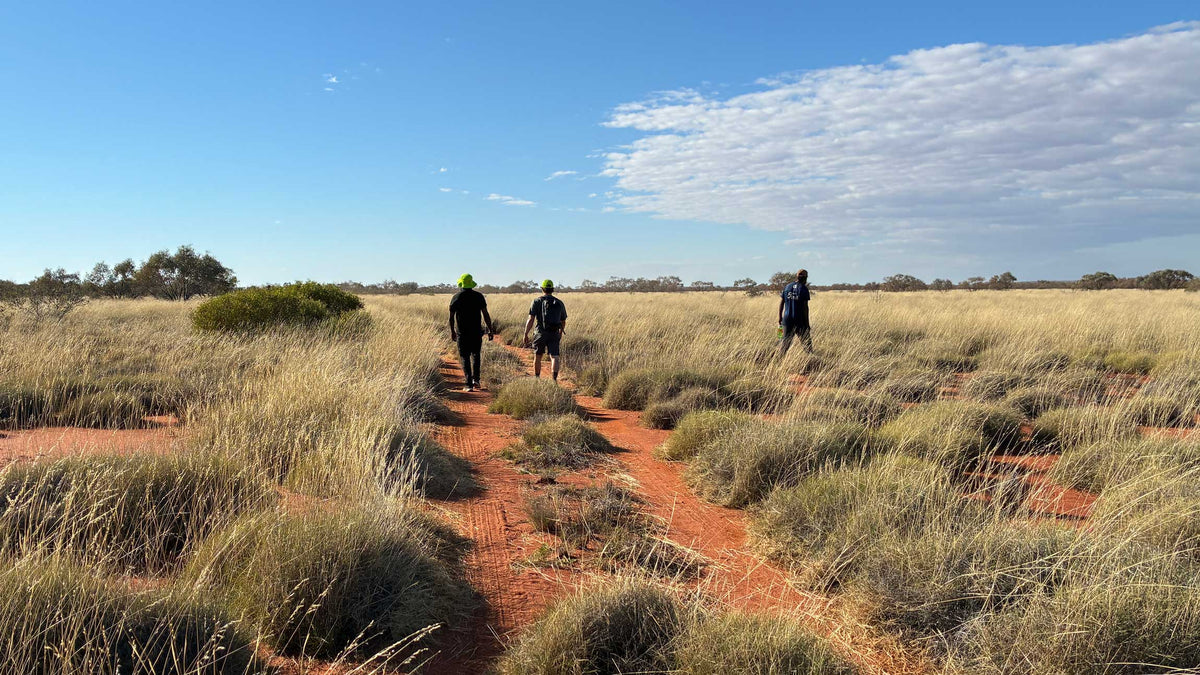
The recent Uti Kulintjaku (UK) Watiku Walk from Katjiyunkuny (Giles Creek) was another step in a much longer journey.
As the fourth walk of the project so far, it came with a sense of how far this initiative has travelled, not only across the land, but through the relationships of the men who have walked together along the way.
 Pictured: Elders Peter Mitchell and Ernest Bennett showing wati the map.
Around 40 wati joined the walk in August, from young men to several tjilpi (senior men). They came from Warakurna, Kaltukatjara, Mutitjulu and Aputula (Finke) to walk nearly 40 kilometres over three days, guided by three Yarnangu Elders who hold the knowledge, stories and songs of the Country.
“They know that place is sacred, so those old men had to be there.”
- UK Watiku team member

Pictured: Peter Mitchell with his grandsons.
The benefits of the walk were many - time away from the stresses of community life, renewed connections with family, and the wellbeing and peace that comes from being together on Country. Yet these outcomes, while important, are not the whole story.
Grounded in cultural authority and responsibility, the walks provide a way for Anangu knowledge to be passed on in the way it has always been passed on. Not in a classroom or a meeting room, but through walking, listening, observing and being together.

Pictured: Aputla wati tjuta looking at map.
Four walks in, the project is creating a living pathway for culture and connection to continue between generations. Not a structure designed from outside, but one that has emerged naturally through Anangu leadership, cultural practice and experience.

Pictured: Lyall Giles, Peter Norman, Wallace Norman and Peter Mitchell.
Each walk has built upon the foundations of the last, refining and strengthening the conditions that make meaningful teaching and learning possible: knowledgeable leaders, right relationships, right Country and right cultural practices.
“Walking together with the right people. Bringing the right people at the right place is important."
- UK Watiku team member

Pictured: Aiden Mitchell having a well-deserved rest!
Watch highlights from the UK Watiku 2025 Tjunti Walk in this short video:
Images and video by Rhett Hammerton.
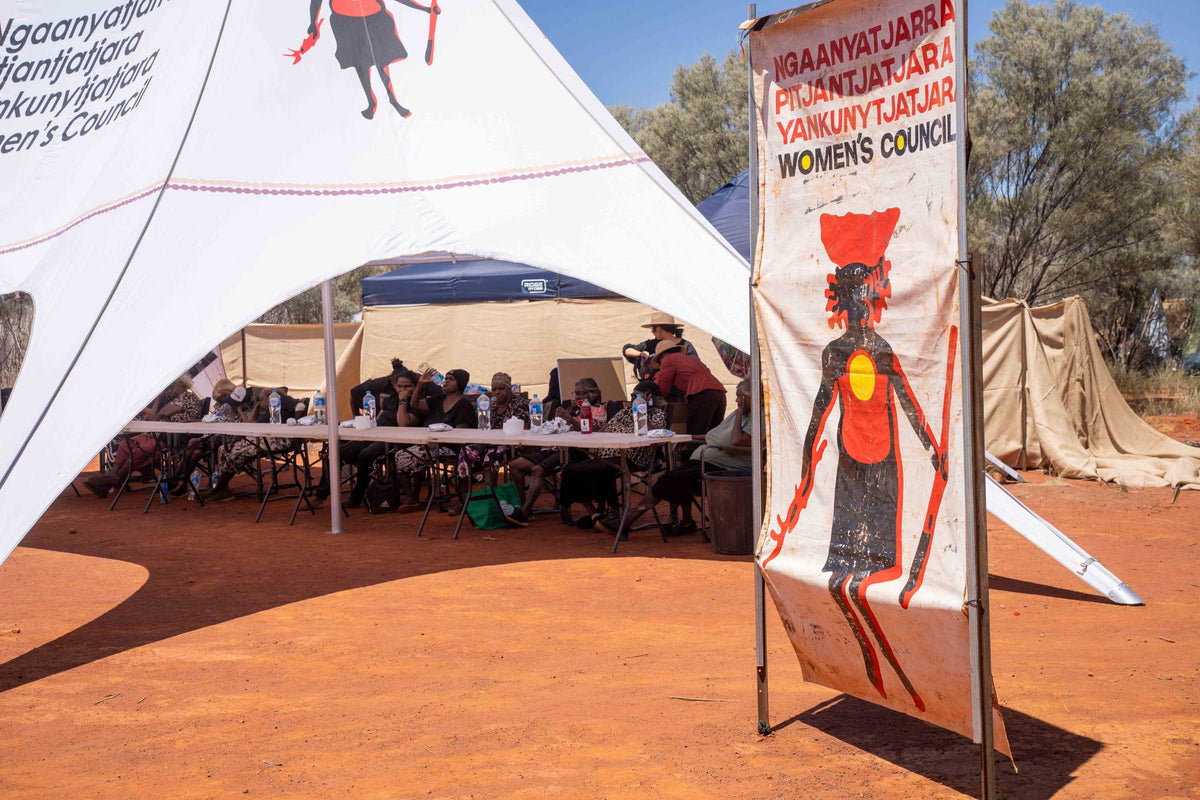
It's been a busy and rewarding time for Women's Council out on the Lands. Amongst all of this work, we also had a lot of fun - laughing together, dancing together, and sharing memories by looking at old photos.
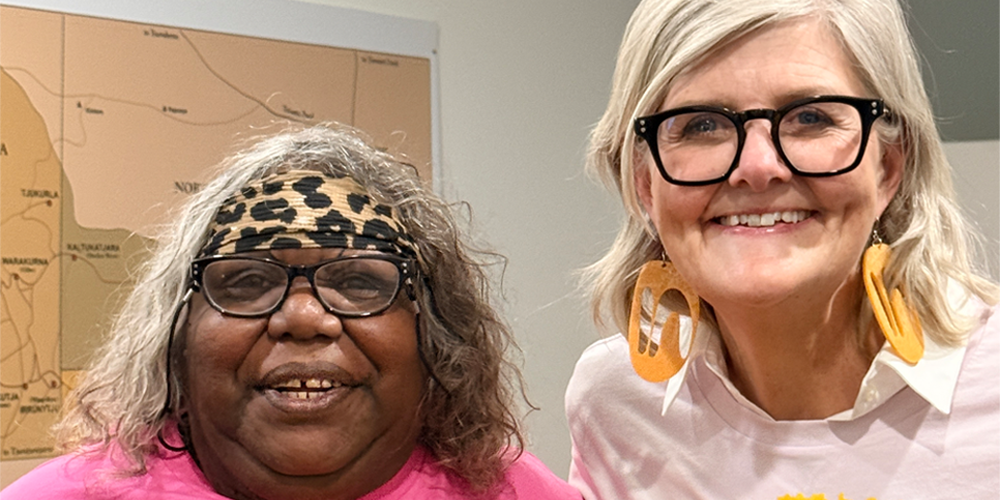
Her Excellency the Honourable Sam Mostyn AC welcomed as Patron of NPYWC
Ngaanyatjarra, Pitjantjatjara and Yankunytjatjara (NPY) Women’s Council is honoured to welcome Her Excellency the Honourable Sam Mostyn AC, Governor-General of Australia, as our new honorary Patron.
One Place, One Number, One Story, One Spirit
Following decades of strong advocacy from Anangu and Yarnangu minyma tjuta (women) and their communities, Ngaanyatjarra Pitjantjatjara Yankunytjatjara (NPY) Women’s Council is proud to launch Ngura Kutju in Mparntwe/Alice Springs.
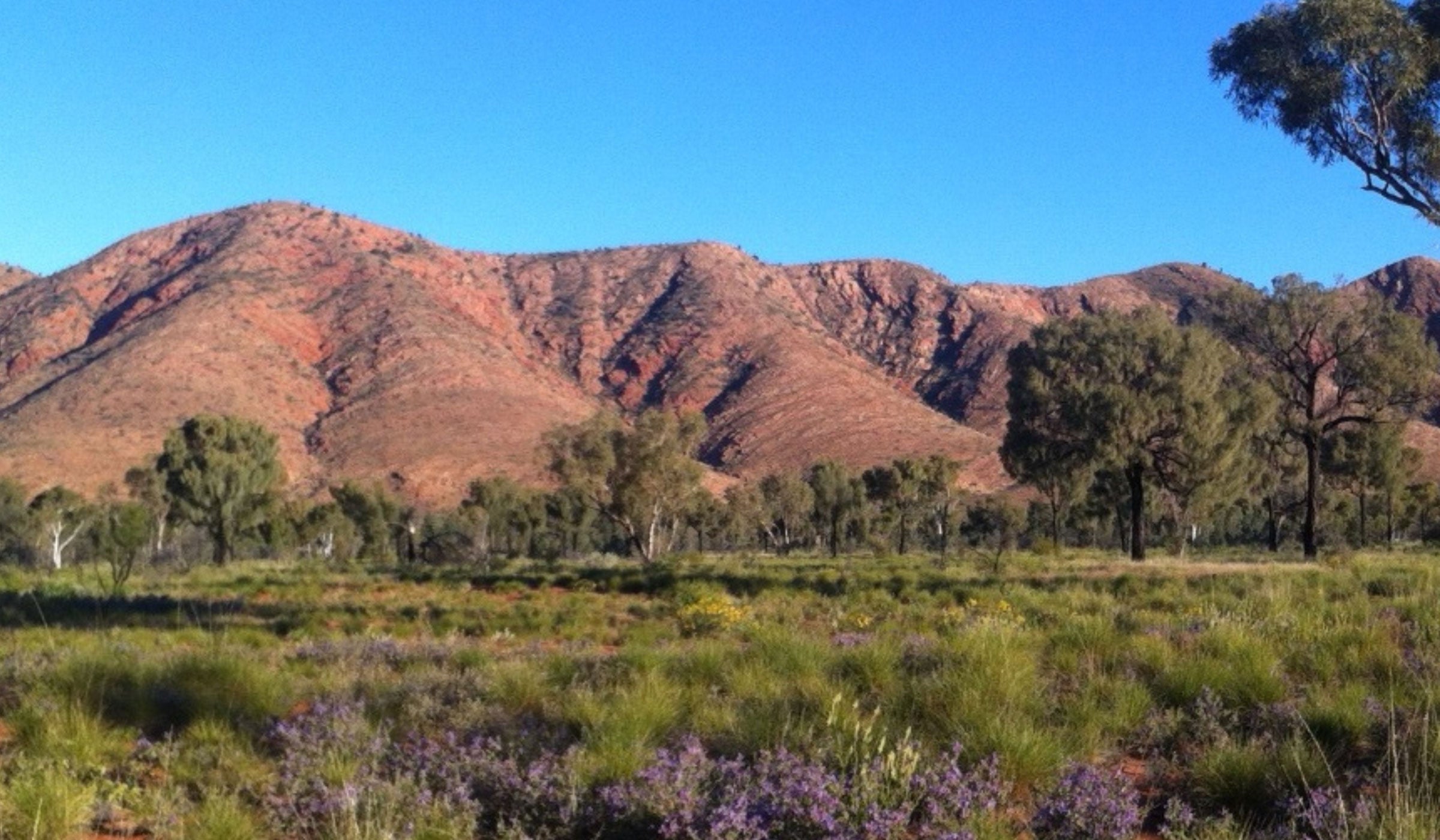
Concerning Changes to Legislation Regarding the Care and Protection Act of Children
“It's like it's treading on us you know, standing on top of us to make the rules. To change our rules, what Anangu women are saying. Anangu want their kids back in their own communities, with their own kinship and proper families. Their real families. They're losing language living with carers - language, culture, everything. And their Tjukurpa. If they want to go round changing new laws, they should consult with us. " – NPYWC Chairperson
Like many concerned organisations in our sector, NPY Women’s Council (NPYWC) submitted a response to changes to the Care and Protection of Children Legislation Amendment (Every Child Matters) Bill 2026 on Friday 22 May. We are concerned about its effect on the lives of Anangu and Yarnangu children and families within the child protection system. From our work with children, families and communities across the NPY lands, we know that many of the issues driving child protection involvement are closely connected to poverty, remoteness, housing stress, service shortages, intergenerational disadvantage and the ongoing impacts of colonisation, rather than a lack of care or love for children.
We are disappointed that the NT Children’s Commissioner, Shahleena Musk, was not consulted ahead of the announcement to launch an Inquiry into the Northern Territory (NT) child protection system and was not appointed to participate in the Inquiry committee. Instead, the decision to appoint Karen Webb, former NSW Police Commissioner, shows a misalignment with the commitment from the NT Government to take seriously shared decision making with Aboriginal and Torres Strait Islander communities. Decisions such as this risk undermining the shared commitment to lived experience and subject matter expertise required for this type of reform.
NPYWC rejects Chief Minister Lia Finocchiaro’s comment regarding ACCO responses to the Bill as “hysteria”. Finocchiaro’s claim that the Bill represents the NT Government making “good laws that protect Territorians” is untrue, in NPYWC's opinion, the Bill will not protect Aboriginal and Torres Strait Islander children and young people. Instead, the Bill has the potential to make Closing the Gap targets even more unobtainable for very remote communities who face who the brunt of legislation such as this.
Further, NPYWC supports the joint media release from NAAJA, CAAFLU, CAWLS, TEWLS, KWLS, DCLS and LANT reminding us that under Northern Territory law, it is a criminal offence to disclose or publish identifying or confidential information connected to child protection matters and that every Northern Territorian should be concerned about the publication of any allegations against parents and families that have not been substantiated. These leaked reports subsequently laid the groundwork for launching the Child Protection Investigation and announcing the changes to the Bill.
The changes proposed in the Bill move further away from the Aboriginal and Torres Strait Islander Child Placement Principles (ATSICPP) of Prevention, Connection, Participation, Placement and Partnership - and will categorically increase the number of Aboriginal and Torres Strait Islander children in out-of-home care. We firmly believe that through safeguarding of the ATSICPP in legislation and in practice, the number of Aboriginal and Torres Strait Islander children overrepresented in the child protection system (Closing the Gap target 12) will actively reduce.
The 2017 NT Royal Commission, the Implementation of the Aboriginal and Torres Strait Islander Child Placement Principle Northern Territory 2025 Review, and the NT and National Children’s Commissioners have all identified systemic underfunding of family support services, the absence of early intervention infrastructure, housing insecurity, and the ongoing criminalisation of victim-survivors as the drivers of over-representation in the child protection system. Despite this, the Bill does not address any of these drivers. Conversely, the Bill will contribute to harm, intergenerational trauma, and increase pathways into the juvenile justice system by removing First Nations children from their families and kinship networks.
“Trauma from child removal affects parents in long term ways […] it is important to listen with compassion, understand the depth of grief and recognise the need for culturally safe and supportive spaces for healing” – Senior Anangu woman
NPYWC always advocates for child safety and recognises the need for effective child protection systems. However, we do not believe this Bill addresses the underlying causes driving child protection involvement in the NT.
Instead, we are concerned the Bill:
- Lowers the threshold for intervention into families;
- Expands coercive powers;
- Increases pathways into long-term care;
- Fails to adequately address poverty, housing instability and service shortages;
- Risks causing further harm to vulnerable children, families and communities.
In our submission, we recommended that the Bill;
- Is withdrawn pending genuine consultation with Aboriginal organisations, communities and others;
- Ensures that the reforms align with the ATSICPP and Closing the Gap Priority Reforms;
- Requires active and supported participation of families in all significant decisions;
- Recognises poverty, remoteness, disability and housing insecurity as structural issues, rather than parental failure; and
-
Strengthens accountability for proactive efforts and reunification.
Importantly, we also urged the NT Government to meaningfully consider the unique, tri-state context NPYWC operates when examining the impact of this Bill on child protection, children and families. Our remote and very remote region means that Anangu and Yarnangu experience disproportionate disadvantages that increase their experience of structural discrimination, disconnection to culture and country, and intergenerational trauma.
NPYWC’s consistent advocacy on these issues led to the establishment of Ngura Kutju in 2026 to help transform the way child protection services are delivered in the NPY region. Ngura Kutju is an example of Anangu and Yarnangu-led decision making that privileges the expertise of Aboriginal Community Controlled Organisations (ACCOs). Ngura Kutju demonstrates how community-led understanding and approaches to community engagement will lead to greater outcomes in early intervention and prevention. Finally, incorporating broader ideas around Indigenous safety, kinship care, and child rearing practices will pave the way for advancing culturally safe, trauma- informed solutions.
Read our full submission to the Legislative Scrutiny Committee regarding the Care and Protection of Children Legislation Amendment (Every Child Matters) Bill 2026 (Serial 67) here.
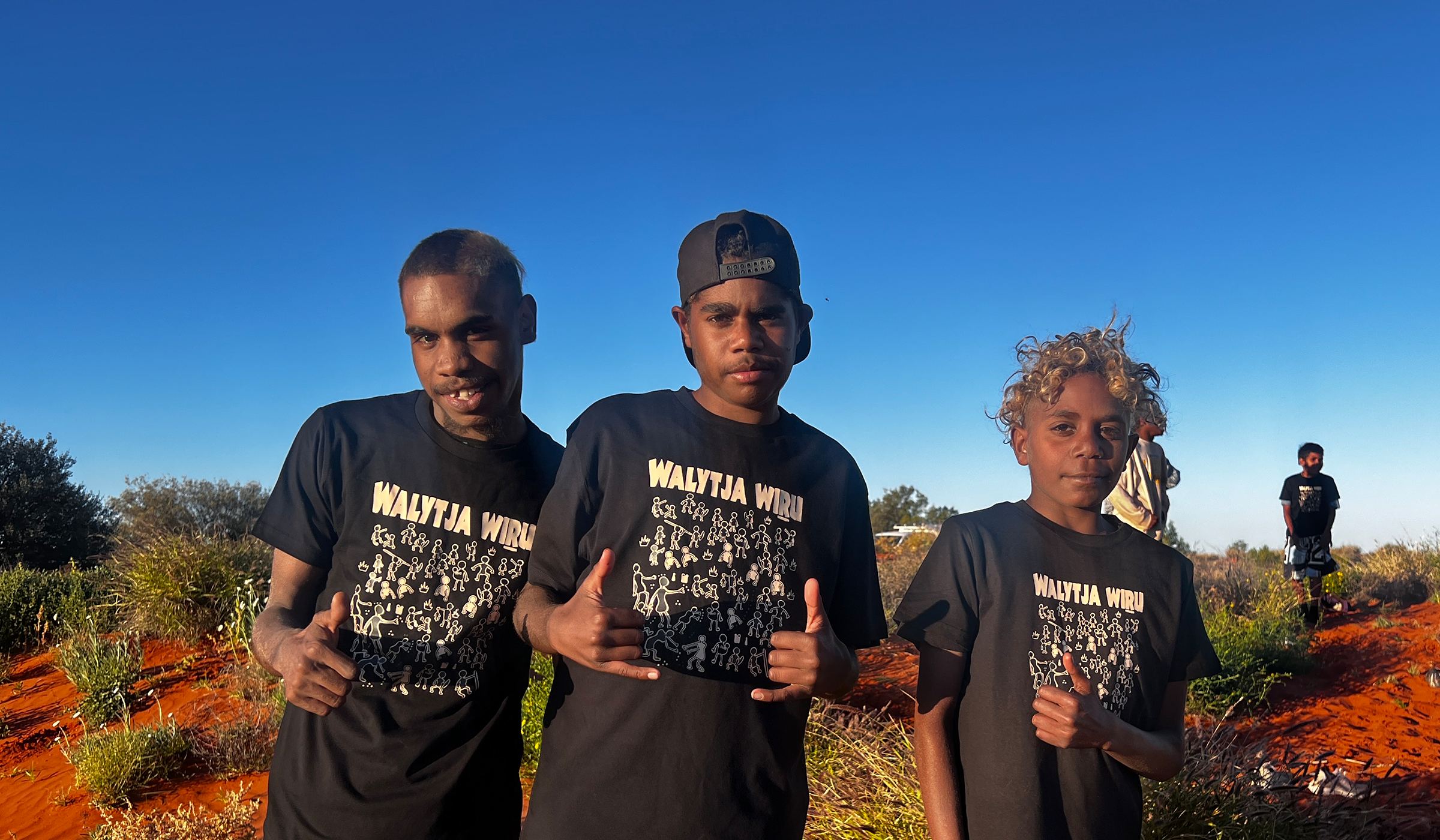
Community-Led Campaign to Celebrate Strong Families
In communities across the NPY Lands, we asked: What do strong families look like to you? The answers sit at the heart of Walytja Wiru, a community-led project developed through NPY Women’s Council’s Walytjapiti program alongside Chairperson Margaret Smith and community members.
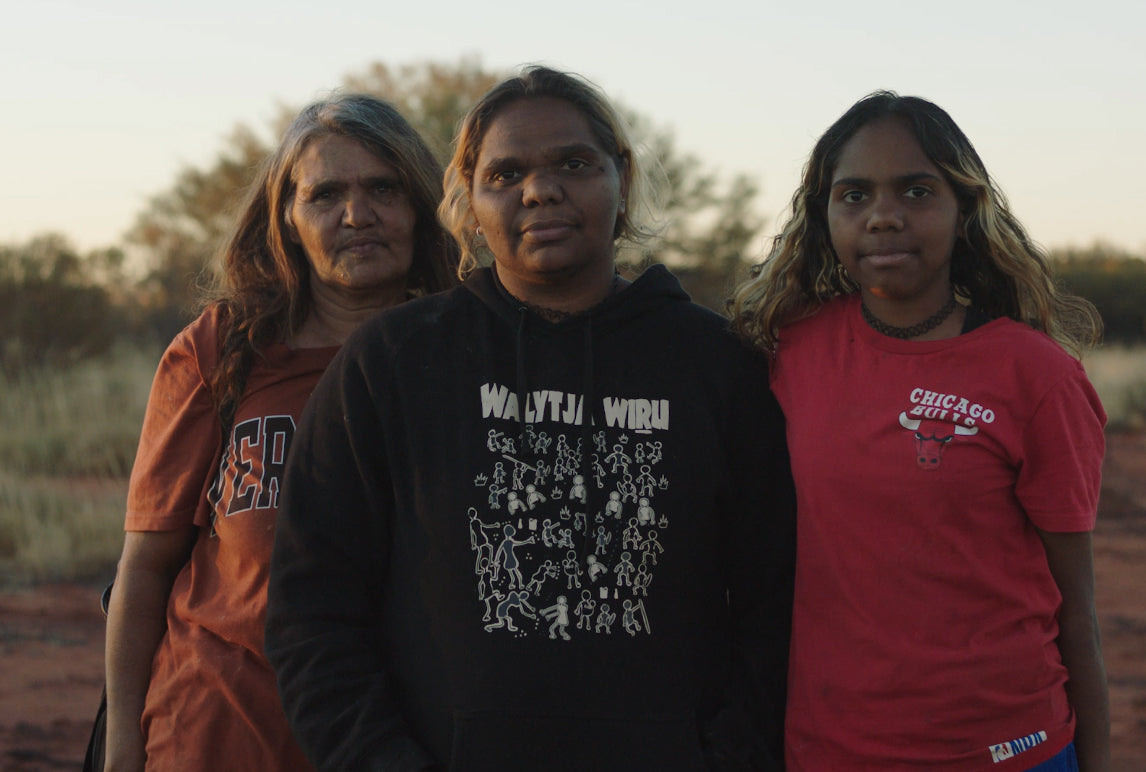
Balance The Scales: Investing in Young Aṉangu Leadership
For International Women’s Day (IWD) 2026, we are proud to share a new documentary celebrating the leadership and strength of NPY Women’s Council’s youngest Director, Azaria Foster, from the Irrunytju and Wanarn communities in Western Australia.
Led by Azaria herself, the film shares her journey to becoming a Director and offers powerful messages of strength and encouragement to kungkas (girls and young women) across the region.
It’s important to speak up […] use your own voice to advocate and as a result of using your voice, great things will become possible.
– Azaria Foster
UN Women Australia’s 2026 IWD theme, “Balance the Scales,” is powerfully reflected in Azaria’s story - a reminder that inclusivity, accessibility and collaboration within community are essential to creating opportunities for systemic change and lasting transformation.
Azaria’s story is about speaking up for yourself and your community, and in doing so advocating for justice and equality for the next generation. This is echoed in the film which focuses on the importance of education whilst encouraging young women to become leaders in their communities.
Overcome shame ngayuku ngarangi school. Ngayulu kuulangka ankupai munu ngayulu wiru tjutaku nintiringu munu ngayulu kuula wiyaringkula ngayulu warrkaringanginta tjaataringkula. Ngayunya warka tjutangku ngayunya kunpunu.
To overcome shame I kept attending school. By going to school I was able to learn lots of great things and when I finished school I started working. These different jobs have given me confidence.
– Azaria Foster

Azaria’s grandmother played an important role in the inception of NPYWC, and the film honours this legacy by highlighting the power of intergenerational knowledge sharing. It reflects the collective strength of mothers, daughters and grandmothers, and what becomes possible when multiple modes of education come together.
Intergenerational connection and teaching are deeply embedded in Anangu ways of knowing, being and doing. Sharing knowledge, nurturing pride and uplifting one another are essential to keeping culture strong and empowering young women and girls to pursue education, employment, leadership opportunities and challenge gender-based stereotypes.
I used to go in with my grandmother for her Director meetings […] So it’s like I’ve learned from my grandmother. - Azaria Foster

The process of planning and filming the documentary further revealed Azaria’s immense strength as a young leader. Her mother, grandmother and three children feature in the film, alongside other kungkas and young people from community. As the sun set on the last day of filming, a sense of pride filled the air for what had been made possible through cross-generational storytelling.
Panya mukulyangku palyara warrka wiru palyara nyuntumpa warrka easy ngaraku, mukulyawanu.
Because you know when you undertake your work with love, it becomes easy. – Azaria Foster
The film will be used as a key resource in future kungkas education advocacy workshops and kungka careers conferences, in line with Azaria’s aspirations to share her story to inspire other young women and encourage them to speak up for their communities. Azaria reminds us:
When I was a youth worker, I made sure I had love in my heart working with kids in the community… As an Anangu, you know what you need for your community and using your voice, it’s very important. - Azaria Foster

On IWD 2026, we thank Azaria and all NPYWC Directors for their unwavering commitment to leadership that is grounded in open hearts and open minds. Without strong female role models across the 26 remote tri-state communities we serve, our advocacy work would not be possible.
We honour the next generation of leaders - the kungkas with strong hearts and minds - today and every day, as they carry our vision forward and help ensure all Anangu live well in both worlds.
This short film was shot on Azaria’s grandmother’s country in Wanarn by an external videographer Gabriel Morrisson and directed by former NPYWC Research and Policy team staff member Kiri Davies. NPYWC extend our thanks to the National Indigenous Australians Agency (NIAA) for the continuation of the Kungka Education Advocacy Project from 2026-2027.

Growing Hope: The Blue Tree Project
Punu ngaanya mirritjanu warngkaringu – the dead tree comes to life again.
The Blue Tree project began as a conversation during a long car journey between Mparntwe (Alice Springs) and Warakurna, a remote community in the Ngaanyatjarra Lands of Western Australia. The discussion was sparked by the sight of a blue-painted tree at Curtin Springs, part of a national initiative to raise awareness of mental health – and this is what that particular Curtin Springs tree did.

A group of Anangu and Yarnangu women from the Uti Kulintjaku team at NPY Women’s Council developed the idea of making a blue tree out of tjanpi (grass), as a way of reinterpreting this initiative beyond the Western understanding of the tree, and of mental health more broadly, into a way that resonates with Anangu and Yarnangu. They collaborated with Tjanpi Desert Weavers to do this.
Not only was the physical act of making the tree healing, but it also stood as a powerful metaphor to open up dialogue about mental health in a meaningful and hopeful way.

The women talked about looking to the future – nyaakula kuranyukutu – going from a hopeless state – walykurringu – to having hope again, and recovering, returning to happiness – marlaku palyaringkupayi mapalyarringu.
The women often take the tree into Ngaanyatjarra Schools to engage the kids in discussions and meditations, encouraging them to create leaves to hang on the branches as symbols of regrowth. This interactive process shares the story of the blue tree in a way that reinforces the message of hope and healing.

The women hope the tree will travel, sparking many more conversations about mental health across communities, bridging cultural understandings, and bringing people together.
Learn more about the Uti Kulintjaku initiative and Ngangkari Traditional Healers here.
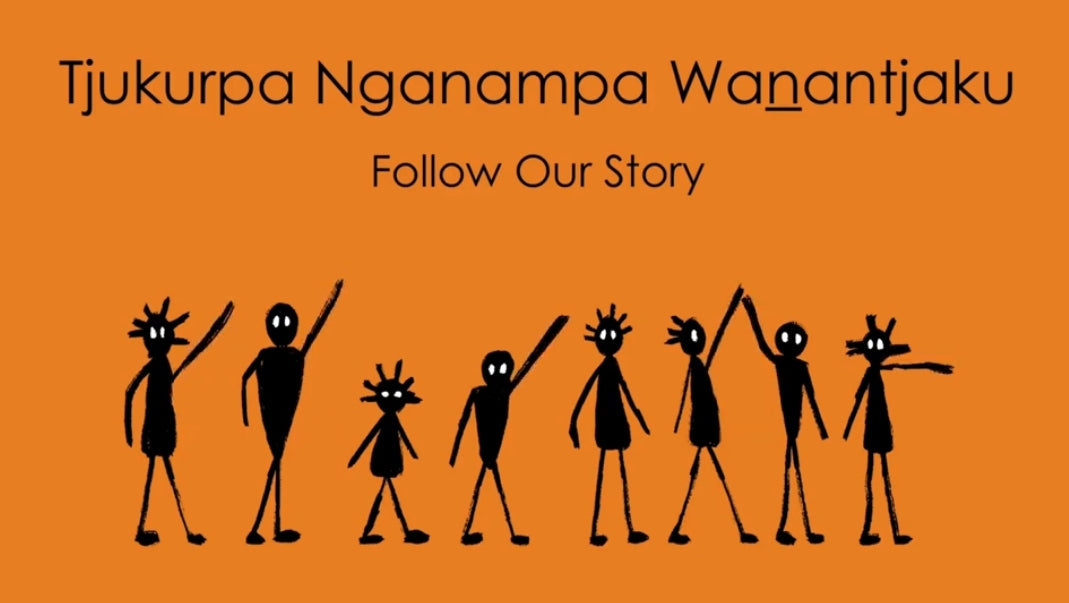
Tjukurpa Nganampa Wanantjaku - Our New Research Guide for Working With Aṉangu
Translating from Pitjantjatjara to “follow our story” in English, Tjukurpa Nganampa Wanantjaku was created by the Research and Policy team at NPY Women’s Council, our Chairperson Mrs Smith, and supporting Anangu Directors. It exists to protect Anangu knowledge and ensure that when research is undertaken, it leads to meaningful, shared outcomes that genuinely benefit community.
Aimed at researchers, potential partners and collaborators, the following animation introduces the guide in Pitjantjara and English through the voice of our Chairperson, Mrs Smith:
Tjukurpa Nganampa Wanantjaku builds upon existing Anangu-led action research models introduced by the late Mrs T Colin of NPY Women’s Council in 1992, alongside decolonised research practices that merge Indigenous methodologies with an Anangu way of being, doing and knowing. This is achieved by clearly identifying and defining the key components of the research framework to ensure the research both is and promotes:

At NPY Women’s Council, we want to continue to build partnerships but make sure the stories stay with Anangu, and that Anangu benefit from sharing their stories.
Through Iwara Wanala (to follow the road/ path), by giving back to community or support community directly through donations from research, Anangu can lead a process of storytelling and take researchers by the hand, to make sure stories are shared on their own terms. The key components of Tjukurpa Nganampa Wanantjaku are also supported by key cultural protocols to consider when working alongside Anangu on the NPY Lands. Our Chairperson, Mrs Smith, believes in the importance of updating our processes and frameworks to preserve Anangu ways of being doing and knowing.
Anangu want a clear understanding of the work you are doing, for us to understand really clear - you know - about research. Through this animation and guide Anangu are helping you understand more clearly.
The animation helps Anangu understand in our own language too you know, it's for you and for us, for both of us, for a clearer understanding about working with us on research. It’s important for you to make sure our voices are heard and to understand more clearly what Anangu need.
-Mrs Smith, NPY Women’s Council Chairperson
The guide helps us continue to meet our strategic objectives of an Anangu-led voice, evidence-based practice, financial sustainability, stronger stakeholder relationships, financial sustainability and a greater promotion of Anangu culture, governance and agency. The protocols outlined in the framework continue to keep the safety and respect of Anangu paramount in our work.
For more information on ethics processes, our advocacy priorities, and how you can engage NPY Women’s Council in your research, please visit our research requests page and complete an expression of interest. You can also contact research@npywc.org.au directly.
We look forward to hearing from you! Palya!
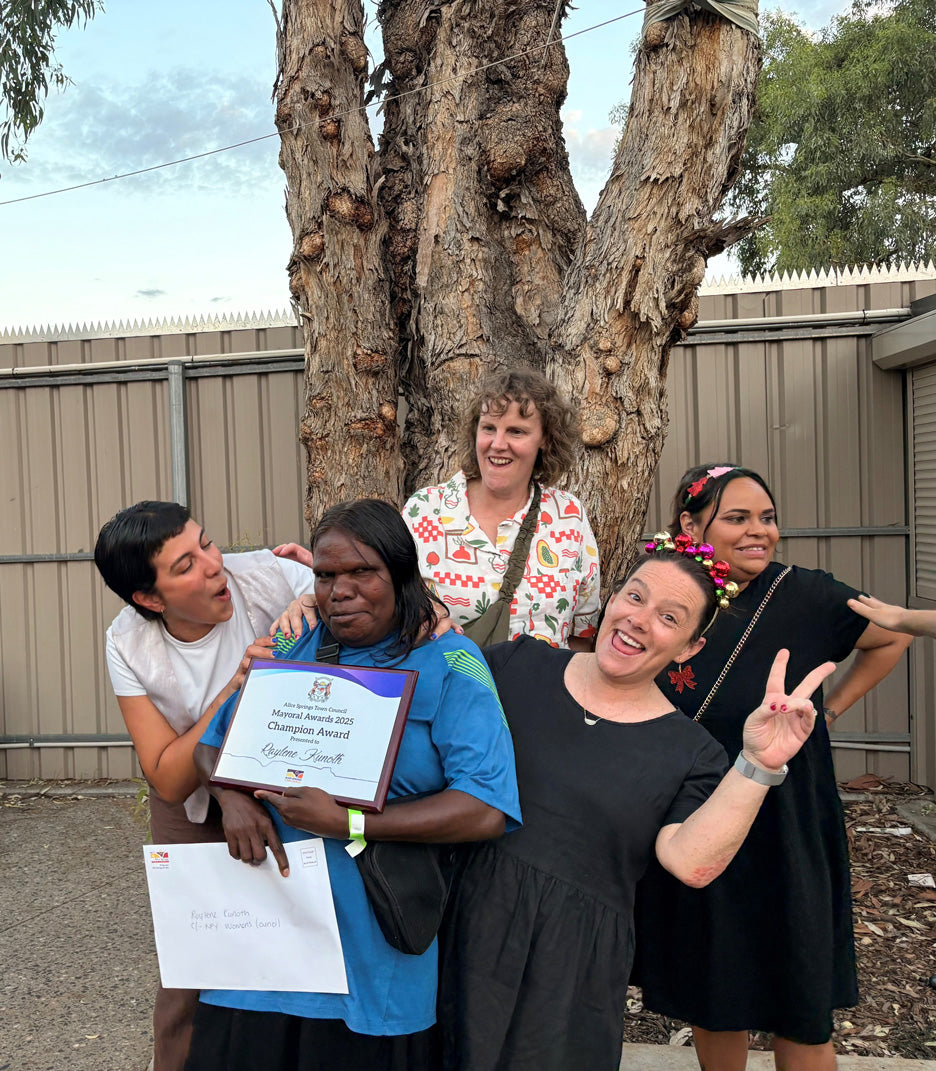
Raylene – Our Disability Advocacy Champion!
We are thrilled to congratulate Raylene, a fierce advocate for those living with a disability in remote communities, for her recent recognition in the Alice Springs Mayoral Awards with a Champion Award on International Day for People with a Disability.
NPYWC Call for Ongoing Protection for Children and Young People
The Ngaanyatjarra Pitjantjatjara Yankunytjatjara (NPY) Women’s Council strongly opposes a series of harmful legislative and policy changes to the youth justice system introduced by the Northern Territory (NT) Country Liberal Party (CLP) Government since August 2024.
In October 2024, the NT Government lowered the age of criminal responsibility to 10 years and imposed stricter conditions on bail, making it more difficult for children and young people to be granted release. In November 2024 the Government announced they would be relocating all children and young people from the Alice Springs Youth Detention Facility to the Holtze Youth Detention Facility in Darwin 1500kms away. NT Department of Corrections have confirmed they will provide no financial support for families to travel to Darwin to visit children and young people incarcerated at Holtze facility.
At ten – we don’t understand crime. – Young person, Imanpa
Most recently, in July 2025, further changes to the Youth Justice Act were introduced, including expanded use of force within detention facilities, the reintroduction of spit hoods, mechanical restraints, and the use of dogs. These practices are harmful and dehumanising. The reinstatement of spit hoods violates Australia’s commitments under key United Nations human rights treaties, including United Nations Declaration on the Rights of Indigenous Peoples (UNDRIP), United Nations Convention on the Rights of the Child (UNCRC) and the Convention Against Torture & Other Cruel, Inhuman or Degrading Treatment or Punishment (CAT). These changes deeply impact the rights and wellbeing of Aboriginal children and young people.
We don’t want to send our kids to jail. We need funding to keep kids active, keep them out of jail and on country. Men and women need to be taught about culture when young and we need to keep it going. Keep it strong. We need young people to make our community proud. – NPY Women’s Council Director
These changes also contradict the recommendations from the 2017 Royal Commission into the Protection and Detention of Children in the Northern Territory, which called for trauma-informed, culturally appropriate, and community-led approaches to youth justice.
Despite Aboriginal Community Controlled Organisations (ACCOs) attempting to provide feedback to the Government for their “reform” agenda, no consultation with young people, ACCO’s, or community organisations were completed prior to the legislative changes to the Youth Justice Act. NPY Women’s Council Directors are concerned that whilst these changes have been made in the Northern Territory, they will have an impact across the tri-state area due to the transience of families travelling across the NPY lands and often, into Mparntwe Alice Springs.
NPY Women’s Council are a member of the Central Australian Youth Justice (CAYJ) Coalition undertaking youth justice advocacy urging the government to address policies that sever Anangu children and young people’s connection to family, culture, and Country, perpetuating intergenerational trauma that echoes the devastating impacts of the Stolen Generations. We support the #RaiseTheAge campaign and stand with other First Nations leaders advocating to end state violence against children and raise the age of criminal responsibility to at least 14 years to align with the recommendation by the United Nations Committee on the Rights of the Child.
Further, NPY Women’s Council expresses strong opposition to the NT Government’s decision to carry out a 12-month trial, effective 1st September, to allow members of the community to purchase, possess, and use Oleoresin Capsicum (OC) spray — commonly known as pepper spray. This policy shift forms part of a broader “tough on crime” agenda that continues to disproportionately target and harm Aboriginal communities. Introducing weapons into the community under the guise of safety contradicts the evidence; such measures are far more likely to escalate conflict than to prevent it, leading to a diminished sense of safety for all.
You know all the Directors we don’t want to create more problems. It’s dangerous. It’s a big risk. It’s going to cause more violence. We don’t want that to come into communities or to be in community stores. – NPY Women’s Council Director
Although the NT Government has stated it is committed to building safer communities, it must shift its focus from punitive measures to addressing the structural conditions that give rise to harm. Communities need investment in housing, health, education and specialist domestic violence and youth services in order to achieve meaningful change. NPY Women’s Council has signed an open letter with Justice Not Jails imploring the government to reverse the OC spray trial and prevent further harm in communities.
Recently NPY Women’s Council met with the Australian Human Rights Commission Children’s Commissioner Anne Hollands as well Minister for Social Services Tanya Plibersek to discuss these issues impacting our communities and highlight our commitment to advocating for children, young and vulnerable people who are disproportionality affected by these policies. We have also engaged in meaningful conversations with state and federal stakeholders at SNAICC’s conference in Brisbane this week, alongside other ACCOs and First-Nations led organisations working towards increased protections for Aboriginal and Torres Strait Islander children across the country.
Most importantly, the voices of children, young people and families must be central to any decision-making about youth justice and criminal justice legislation to ensure that Anangu are not left behind.

Aṉangu Men Walk Together to Pass on Knowledge
In early August, 50 Aṉangu men – Elders, cultural leaders, and young men and boys – came together from across 350,000 square kilometres for a three-day Watiku Tjina Ankunytja (Men’s Walk) across Central Australia.
Kungkas Take the Field at Yulara
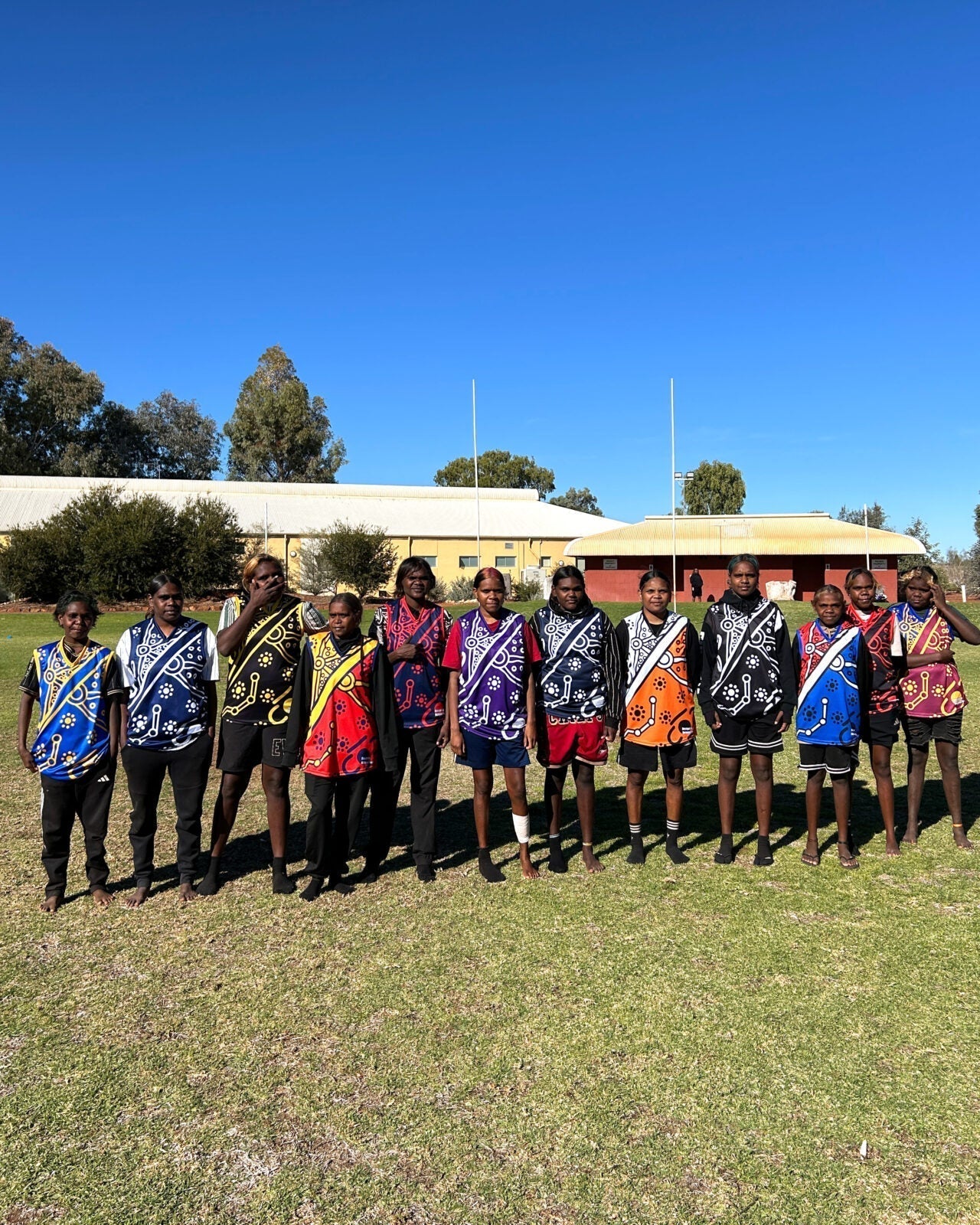
Something special happened out on Yulara Oval during NAIDOC Week this year – over 100 kungkas (young women) from 16 remote communities across the NPY Lands came together for a big, all-girl footy carnival!

It was the third year that the Kungka’s AFL 9’s event took place, a team effort by the NPY Women’s Council Youth Service creating space for confidence, connection, and young women to shine on – and off – the field.
And it wasn’t just all about footy – there was also disco, malu (kangaroo tail) cooked on the fire, crazy hair spray, face paint and all sorts of fun on the side.
For remote communities across the NPY Lands, the vast distances between communities makes the footy carnival a very special chance to come together. Kungkas travelled from right across the central and western desert regions, spanning South Australia, Western Australia and the Northern Territory to be part of the event!
It’s good to get the kungkas out of community and to bring them together to play footy. It’s good they can all come together to play and have fun. I’m happy to see them enjoy each other’s company.
– Shalaylee Coombes, an Anangu Support Worker.
With help from AFLNT and a visit from AFLW Adelaide Crows players, the carnival was full of energy and support.

This event was made possible through collaboration with Ngaanyatjarra Council and Pitjantjatjara Yankunytjatjara Education Committee, with sponsorship from Maddocks Foundation and Igniting Change. Voyages Indigenous Tourism Australia helped bring the vision to life by hosting the event at Yulara Oval.
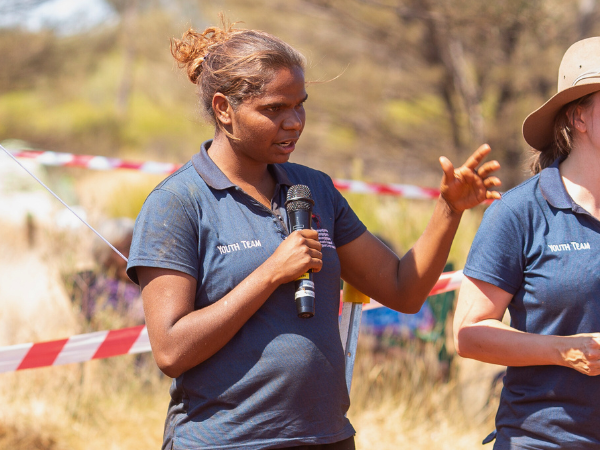
Meet Azaria Foster - One of NPYWC's Youngest Directors
“My heart went woosh!
I had the biggest shock and the biggest scream when I was elected as a director of NPY Women’s Council last year.

My name is Azaria, my grandmother comes from the Ngaanyatjarra lands. My grandfather comes from the Pitjantjatjara lands. So, I’m a Pitjantjatjara and Ngaanyatjarra woman. I was born in Alice Springs and raised in Irrunytju and Wanarn in the Ngaanyatjarra Lands, WA.
I’M REALLY PROUD
At the last NPY Women’s Council (NPYWC) AGM (2024), people put my name up on the whiteboard with the list of the people to vote in as directors. After the voting, when they called out my name, it was really exciting, and I was just really proud.
I’m one of the youngest directors ever. Being a director is really good for me to learn for my future, and I can inspire other young women coming in to be directors.

I HAD STRONG ROLE MODELS
I grew up with NPYWC through my grandmother. She was a director and helped to create the Nutrition program, so I knew NPYWC from when I was little. We used to live just next door because my grandfather was with the Pitjantjatjara Council. He used to be the Chairman and a strong speaker. My grandmother was the same, I came into NPYWC directors’ meetings and saw how she spoke in a proper way. I come from those strong family members. I know how they spoke and how they held NPY Women’s Council strongly.
It’s the time to learn from old women and teach the next generation.
MY WORK WITH NPY WOMEN’S COUNCIL
I started working as an Aboriginal Support Worker for the NPYWC’s Youth Service in 2016. Then I became a Youth Development Officer at NPYWC – I used to run the Irrunytju (Wingellina) Youth Service.
Words by Azaria Foster.
Tjanpi Desert Weavers Honour the Bush Bus
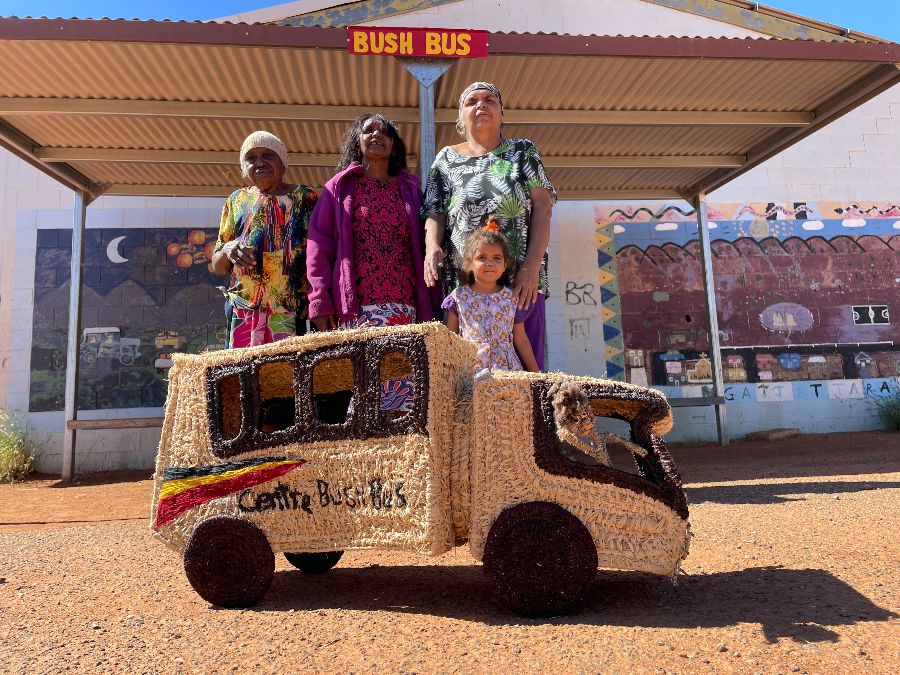
Our social enterprise, Tjanpi Desert Weavers, celebrate the story of the Kaltukatjara Bush Bus by weaving the bus that connected the community to Alice Springs and faraway family.
With many important services based 7 hours away in Alice Springs, families from Kaltukatjara (Docker River) would often miss appointments or find themselves stranded in town, unable to return home… until a local tjilpi (old man) came up with an idea…
In 1998, Alan Passmore, who was working in Kaltukatjara, suggested he buy a bus to help solve the remote community’s transport challenges.
We said “palya”! So he flew to Perth to buy a big new bus, and drove it all the way back. He passed through Warakurna, and saw my son. He said, “This is a new bus for you mob!” Then he drove on to Kaltukatjara and pulled up at my place. Everyone was excited, the kids were all climbing in the bus! The same size as a Greyhound! He took us all for a ride. We were really happy about that one. – Rosalind Yibardi, Tjanpi artist.

The bush bus, that’s our bus. Docker River started that bus, first travelling from Alice Springs to Docker River and back. Now that bus travels all over to help people from more communities get to town. – Winsome Newberry, Tjanpi artist.
Today, the Bush Bus service travels 11 routes across 35 communities, connecting people to services and family. In honour of this important lifeline for families, Tjanpi artists created a woven Bush Bus for the touring exhibition True Story.
Tjanpi helps Anangu women share their stories and culture with the world through fibre artwork to the world and supports income opportunities for women living in a region of economic disadvantage.

Reshaping the Narrative on Aboriginal Youth
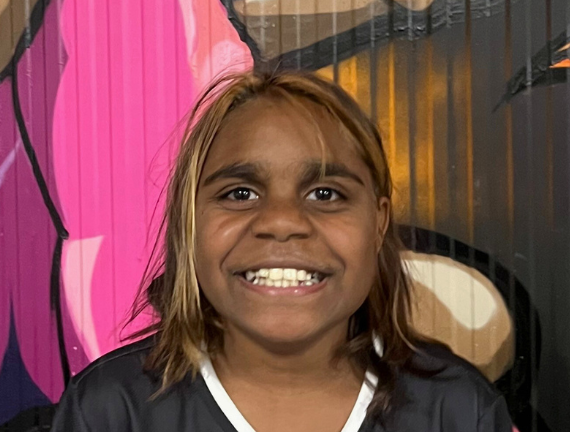
Children and young people in Imanpa have transformed their stories of strength and culture into powerful superhero characters
The Anangu Superhero Project was designed to give young people an opportunity to shape the narrative surrounding Indigenous youth and showcase their ‘powers’ of wisdom, strength, safety, courage, love and culture. The project encouraged young people to reflect on their own heroes at home and in community, and see themselves as powerful in a positive way. The project amplified young people’s voices, reinforcing their sense of belonging and influence in the world.
Here are a few of the amazing superheroes created:
Wati Mai (food man) – Jimarcus

Brings starving people bush food when they are hungry. Feeds homeless people, gives them magic water, malu, bush banana, yam, tinka & ngintaka.
Kungka Wanka (spider girl) – Nikea

Helps kids stay safe. Comes out at night. Throws webs.. Scares kids to go home and makes them go to sleep ready for school.
Wati Tjina

Wati Tjina helps people who are lost and help them find their way home. He knows all the tjina (footprints) of every person and animal in central Australia.
The project included a range of deep explorations with the young people including the project being embedded into the local school’s (Nyangatjatjara College) curriculum, character development, reading about superheroes and connecting concepts to everyday life. The heroes were painted onto the Imanpa youth shed as a mural, during a weeklong program, with activities highlighting youth leadership, food for strength, mindfulness and creativity. The characters have also been transformed into an animation (above).

The project was devised and led by NPYWC’s Anangu staff and community leaders in conjunction the NPYWC Child & Family Wellbeing Service, and was supported by the Imanpa School.
The ultimate power of the superheroes is the voice of the children who created them. This project shows the healing and connection that can be built within communities when Anangu voices are centered and heard.
A New Culturally Rich App for Aṉangu Mothers
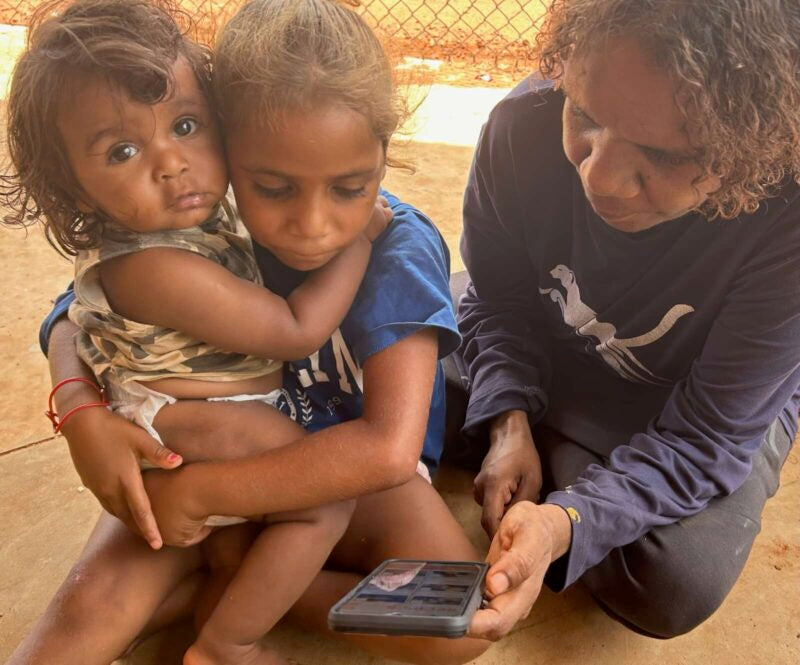
A collaboration between our Child Nutrition team and Anangu women has created new app to help new mothers navigate babies first foods and nutrition.

The Tjitjiku Mai (children’s food) app features a food database including bush food and food found in community stores. The app also has an interactive recipes library with step-by-step videos, meditations and children’s songs all presented in Pitjantjatjara, Ngaanyatjarra and English.
The app offers accessible, culturally relevant health resources and a step toward improving health outcomes for Aboriginal families living in the NPY lands.

The app has been designed and developed, through consultation with community members and families to specifically meet the needs of Anangu & Yarnangu families living in the remote NPY region of Australia so they can access relevant health information & resources around infant nutrition and introduction of solids for young children.
The Tjitjiku Mai app features aunties, mothers, sisters and grandmothers offering advice and supporting new mothers in what is often a daunting and stressful time for families navigating growing up young children


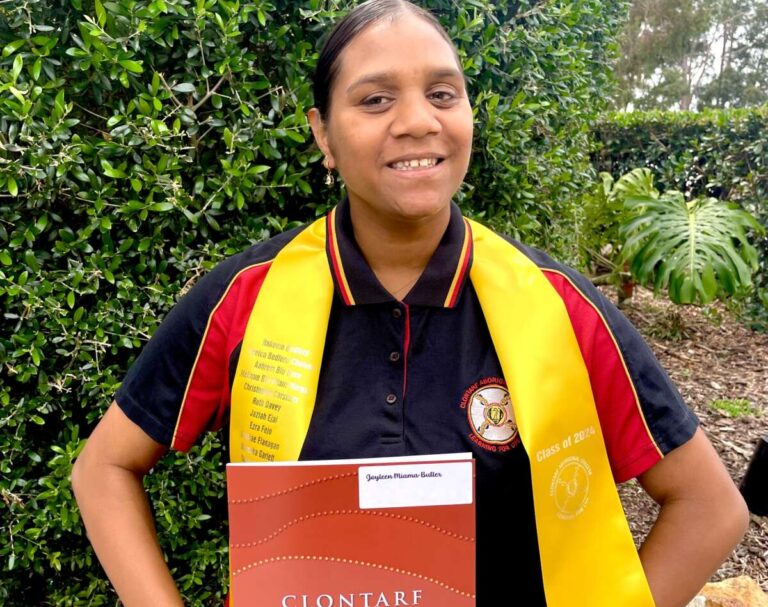
Meet Kaltukatjara's Trailblazing Year 12 Graduate!
Joyleen is the first person to graduate year 12 from Kaltukatjara (Docker River) in 10 years and she is ready to start work.

After spending two years at Clontarf Aboriginal College in Perth, nearly 2,000 km away from her home, Joyleen has completed her year 12 studies in what is a significant milestone for herself and her community.
Joyleen voted pizza as her favourite boarding school meal, heartfully encourages other young people to try boarding school and talks about how boarding school has opened up a whole new world.
Listen to Joyleen talk boarding school
Communities like Kaltukatjara (Docker River) face big challenges—finding teachers willing to work outbush, some schools so small that kids from Year 7 to 12 share a classroom, and funding models that just don’t fit their needs. NPY Women’s Council Boarding School Program is bridging the gap, offering students and their families the support they need to access education.
 Year 12 Formal Snapshot!
Graduates of the boarding school program often flourish afer graduation having gained confidence and learning to navigate both urban environments and the wider non-Aboriginal culture. Although boarding school is sometimes not the first choice for families, for some it is the only path to continue their education and pursue tertiary studies.
Find out more about our Youth Service

Footsteps of Ancestors: A Walk to Nurture Culture and Wellbeing
Before colonisation, Anangu travelled tjina ankunytja (by foot) the path joining the important water sites of Kulpitjata, Wala, Tjapiya and Mutitjulu.
A 50km wati (men’s) walk from Kulpitjata to Mutitjulu was conducted with the goal of reconnecting younger men with their ancestral country, law and tjukurpa.

For NPYWC’s Uti Kulintjaku Watiku team and other men involved the walk was a positive step in nurturing the wellbeing of younger men. The ‘inseparability’ of place (Country) to Anangu wellbeing and social cohesion is well supported in public health literature.
The walk was first proposed by senior man Stanley Windy, who saw the walk as a way to reconnect the men with culture and nurture wellbeing.
Over 30 men from across the NPY lands participated, including senior men who led daily alpiri—traditional morning gatherings that set the agenda and tone for the day. Along the journey, they shared tjukurpa, taught important cultural protocols, and discussed wellbeing supported by NPYWC mental health resources made by Anangu men from the Uti Kulintjaku (clear thinking) Watiku program.

” my spirit and health have been lifted up”
David Miller
At the end of the walk, families and community leaders gathered to welcome the young men and celebrate their achievement. Community leaders Sammy Wilson, Rene Kulitja, and David Miller addressed the group, underscoring the significance of the walk.
For the young men, the walk reinforced their connection to place, culture and each other.

Recently, the Uti Kulintjaku Watiku Team rediscovered the Uwankara Palyanku Kanyintjaku (UPK) Nganampa Health film made in the 1990’s entitled “The Rope Story”.
Many of the tjilpi (old men) in the film were the fathers, grandfathers and uncles of current the Watiku Team members. In one section of the film, the men reflect on the disintegration of Anangu society that they are witnessing. They use a piece of rope to illustrate their point. The rope has three strands. These strands represent manta (land) kurunpa (spirit) and Anangu (people). The external influences of colonisation (including alcohol, drugs etc) have caused these strands to separate. The work needed now, the old men claimed, was for the three strands of the rope to be bound together again.
For the current members of Uti Kulintjaku Watiku Team, this walk brought manta (land) kurunpa (spirit) and Anangu (people) together.
This walk was supported by NPY Women’s Council, the Central Land Council (CLC), Uluru Kata Tjuta National Park staff, CASSE, Voyages and traditional owners
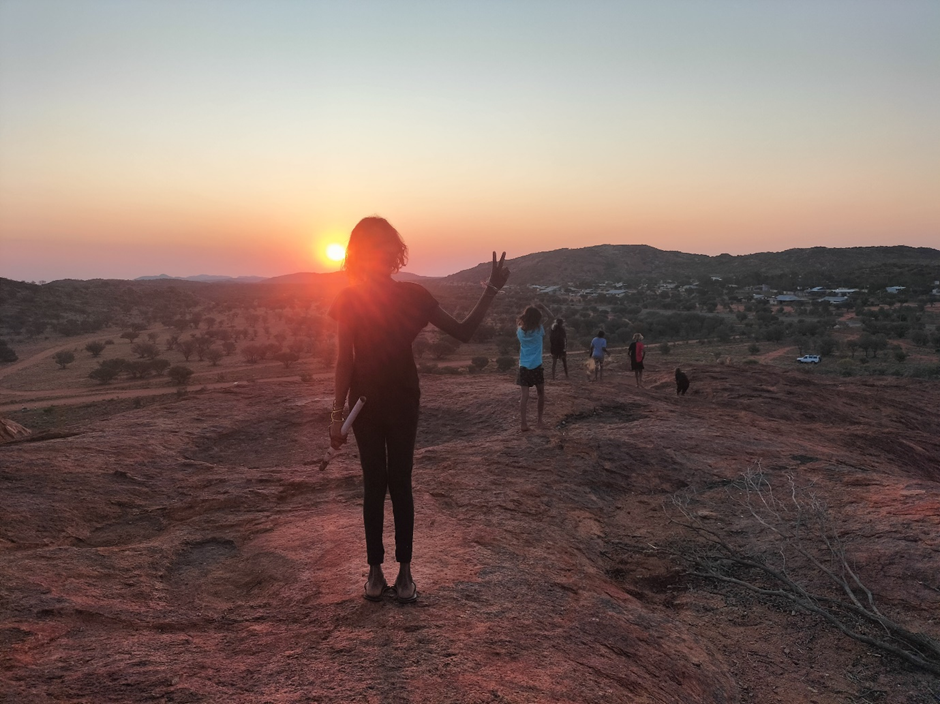
Criminalising Australia's Most Vulnerable Children
Children in the criminal justice system, some as young as 10yo is one of the most urgent human rights issues in Australia.
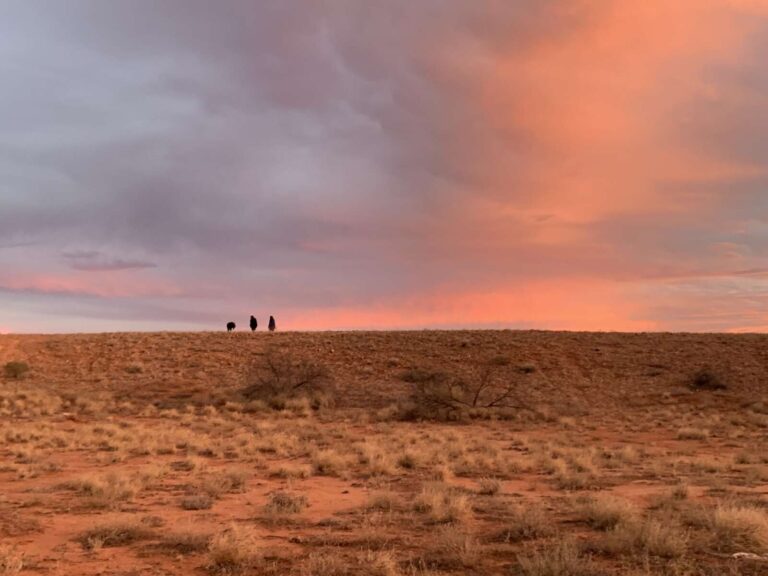
A Promise Culture Will Continue
Guardians of the world’s oldest culture meet
Each year 100’s of senior Anangu women, holders of ancient stories, travel from far across the NPY lands and meet to make sure their culture remains unbroken and nourishes future generations.
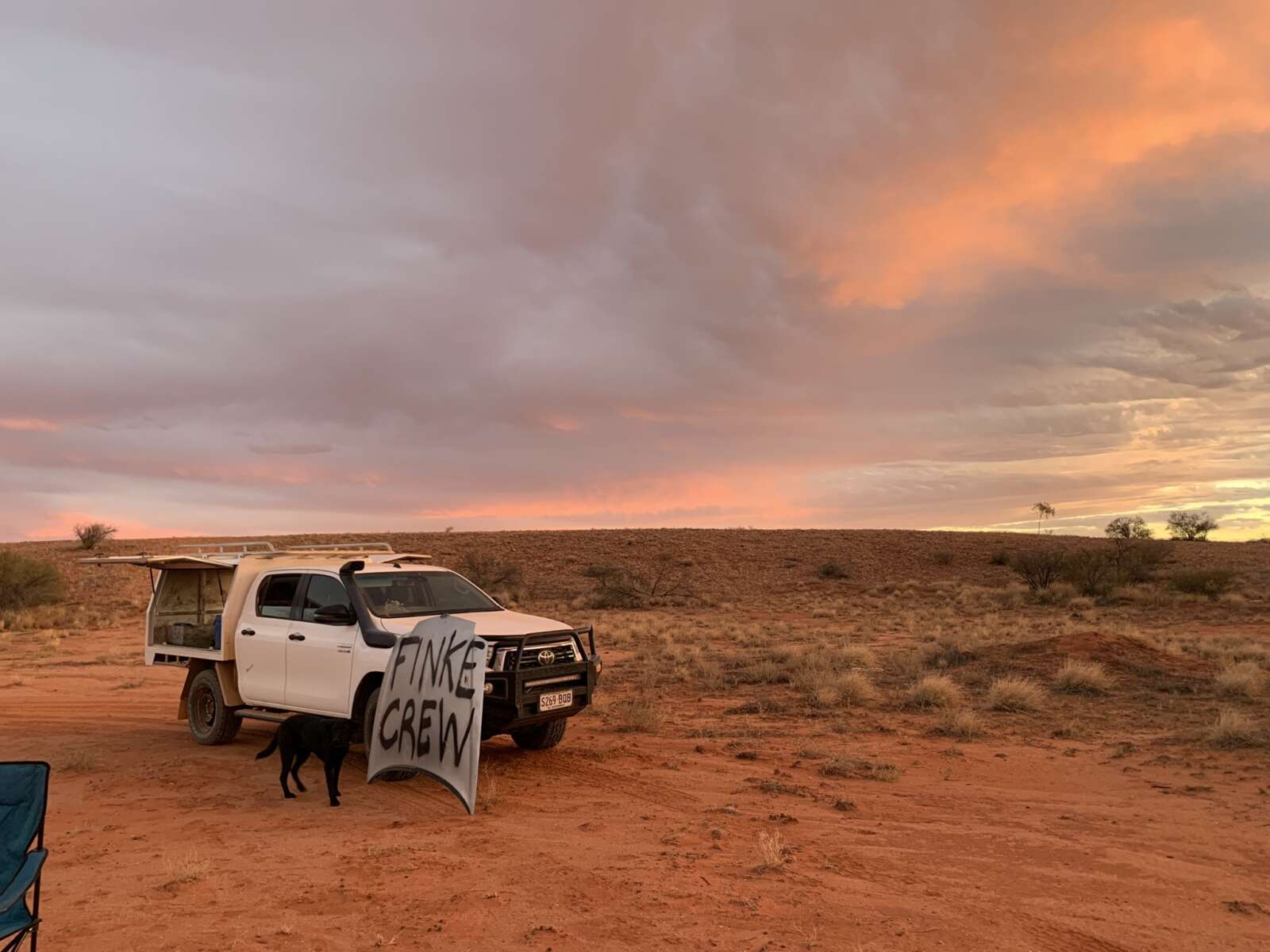
The other night we decided to have a campfire cooking night. We invited some young people through our Youth Service and some people that have engaged with our Walytjapiti team (supporting families with children at risk). The night was so beautiful, we took lots of pictures.

It was really special because two kungkas (young women) attended that have both been staying home a lot and not interacting with others for a while. They were laughing and joking with the other kungkas and helped to prepare and cook dinner, which was a really tasty and healthy chicken stew and rice.
At the end of the night when I dropped some girls home, one of the kungkas came back to the car just to say “I had fun tonight”. This was one of the girls who has barely left home for the last month.

NPY Women’s Council’s Walytjapiti program is a voluntary service supporting families with children aged up to 18 years. Integrating Anangu world views and child-rearing practices, we build on the family strengths to keep children safe, happy and protected within their communities and culture.
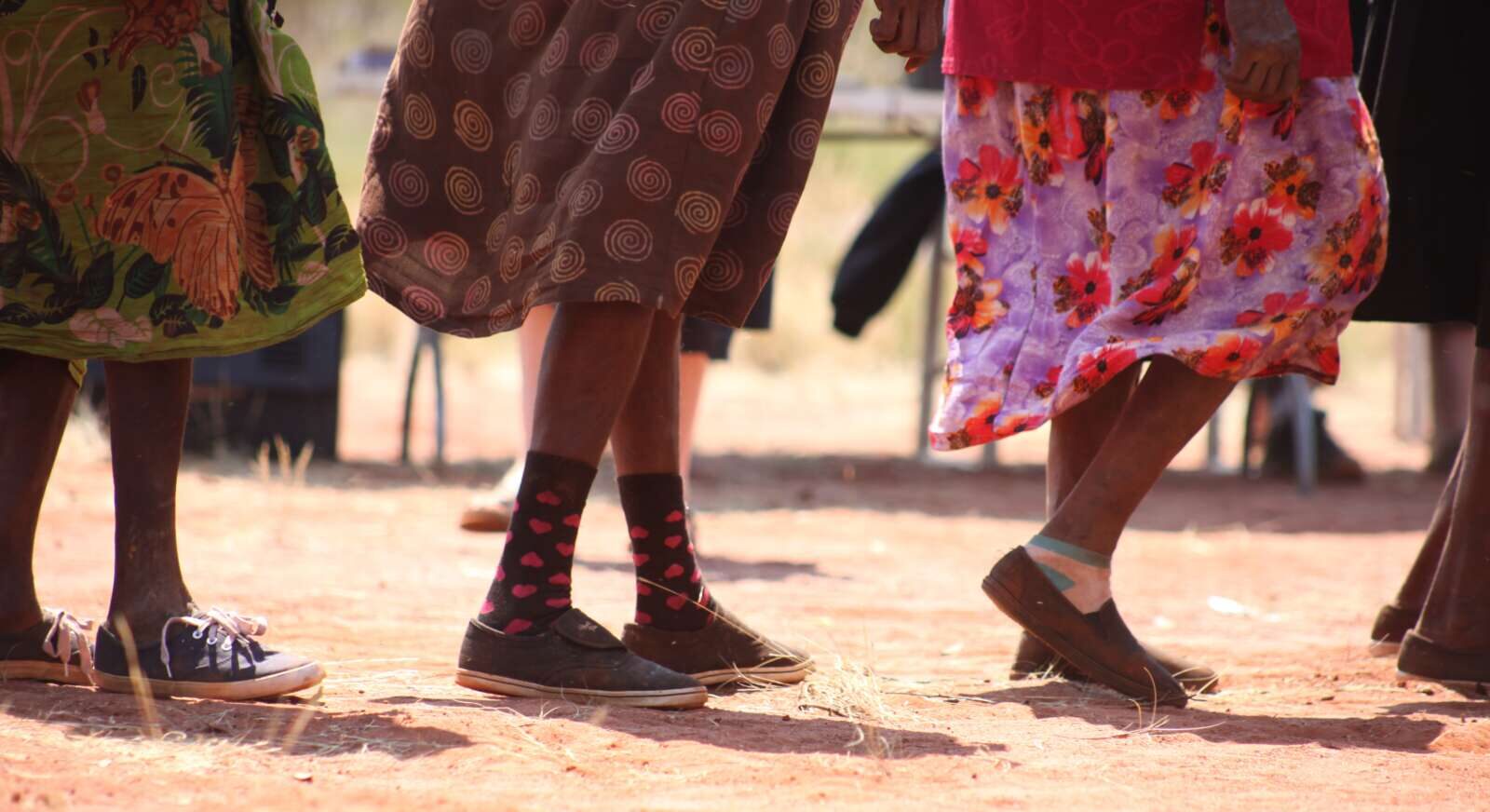
Atunypa Wiru Minyma Uwankaraku - Good Protection For ALL Women
Domestic & Family Violence: from national conversations to on the ground responses – Anangu women are met with a culture of silence and normalizing violence. This includes police responses, investigations, funding allocations, decision making and policy reform.

Celebrating the Work of Senior Pitjantjatjara Man David Miller
From stockman to supporting resistance against violence to women
David Miller has spent the last 8 years working to support resistance against violence to women and the mental health of young men and in remote communities through NPYWC’s Uti Kulintjaku (UKW) initiative. Last week David announced his retirement from the UKW initiative that he was a leader and founding member of.
Over his long and impressive life David has worked in many roles including stockman, educator, artist and community leader. David has also worked with NPYWC’s Uti Kulintjaku Watiku initiative on the award-winning book Tjanimaku Tjukurpa and was featured in Atunymanama, a book celebrating Anangu men as care-givers, teachers and leaders.

Here is an exert from Atunymanama from David:
Ka alatji nyanga paluru tjana nganampa nganananya tjamu tjutangku nintira wantikatingu Kutangku kutjupa tjutangku mukulyangku tjamungku uwankara nganana kanyintjaku nyanga paluru tjananya uwankara kuka kulu-kulu atunymankunytjaku malu palyantjaku uwankara. nganampa wantikatingu. Ka-la nyanga palulanguru nganana nintini yangupala nganampa tjuta malatja-malatja ka tjana ngapartji palumpa tjanampa tjitji ma nintini.
Tjukurpa nyanga palunya tjana ngananya-languru kulira? Ka kuwari mankur-mankur-pa nyinanyi ngaltutjara tjilpi. Palu tjukurpa kunyu nyuntu nganana ungkukati munu . . . Tjukurpa winki wiyaringkunytja wiyangku wantikati nganampa tjamu tjutangka malanypa tjutangka.
So, this is the way our grandfathers taught us. Many different people – older brothers, grandfathers – lovingly gave us this knowledge to keep. They taught us everything. How to look after the animals as well and how to prepare meat in the proper way. They left this knowledge behind for us. And it is from this knowledge that we are teaching the young fellas – all of our descendants – so that they, in turn, can teach their children.
Who are they going to get their understanding of this law from? Today there are only a handful of the older men living, sadly. But, of course, we keep on giving as we go along, to leave behind all of the law with our grandsons and younger brothers, so it will not be lost.
Thank you for your work David!
Listen to David read Tjanimaku Tjukurpa here


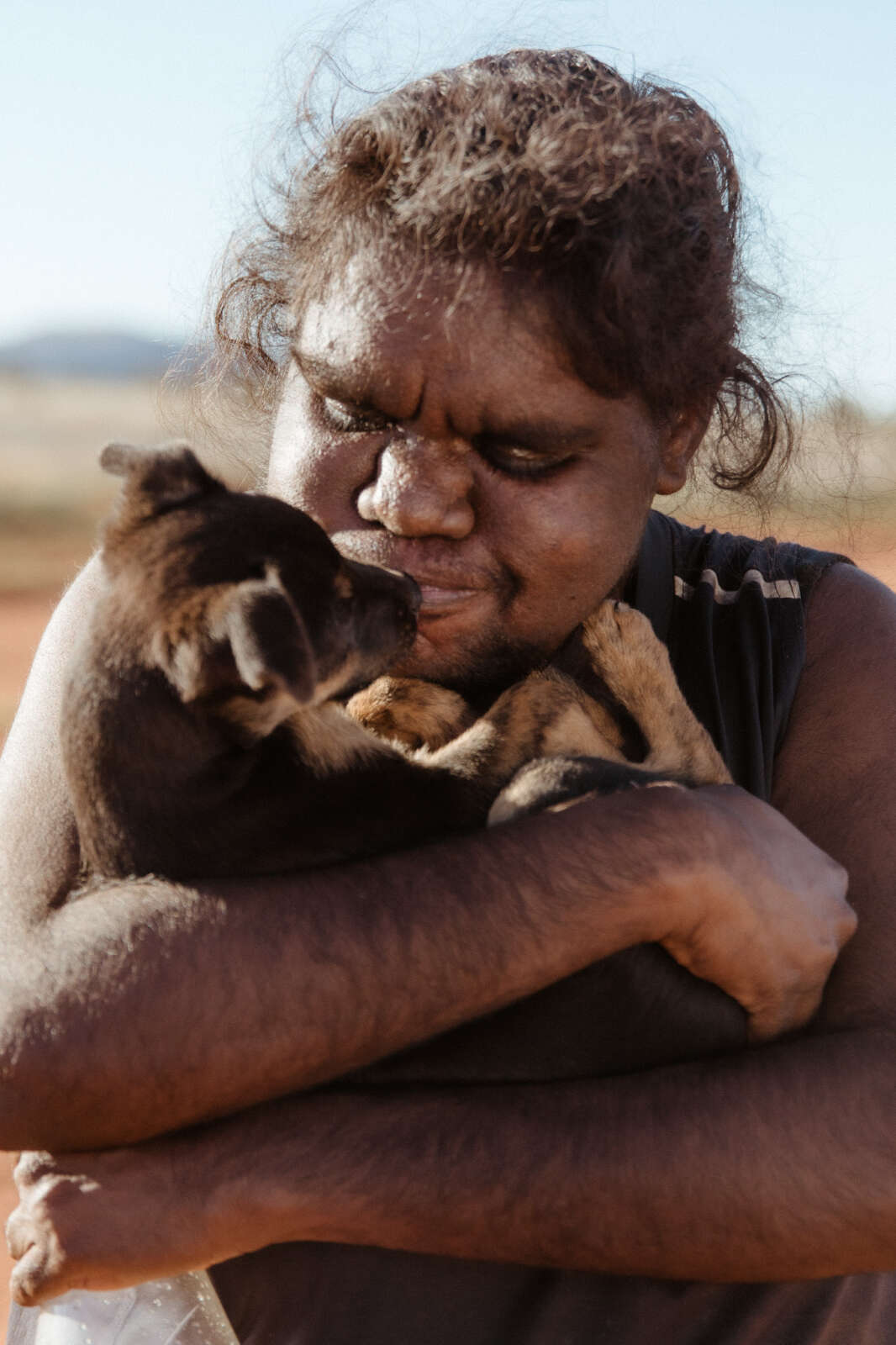
Conquering NDIS Challenges in Remote Areas
Anangu needs ignored in NDIS plans over what is considered “best” for them by planners
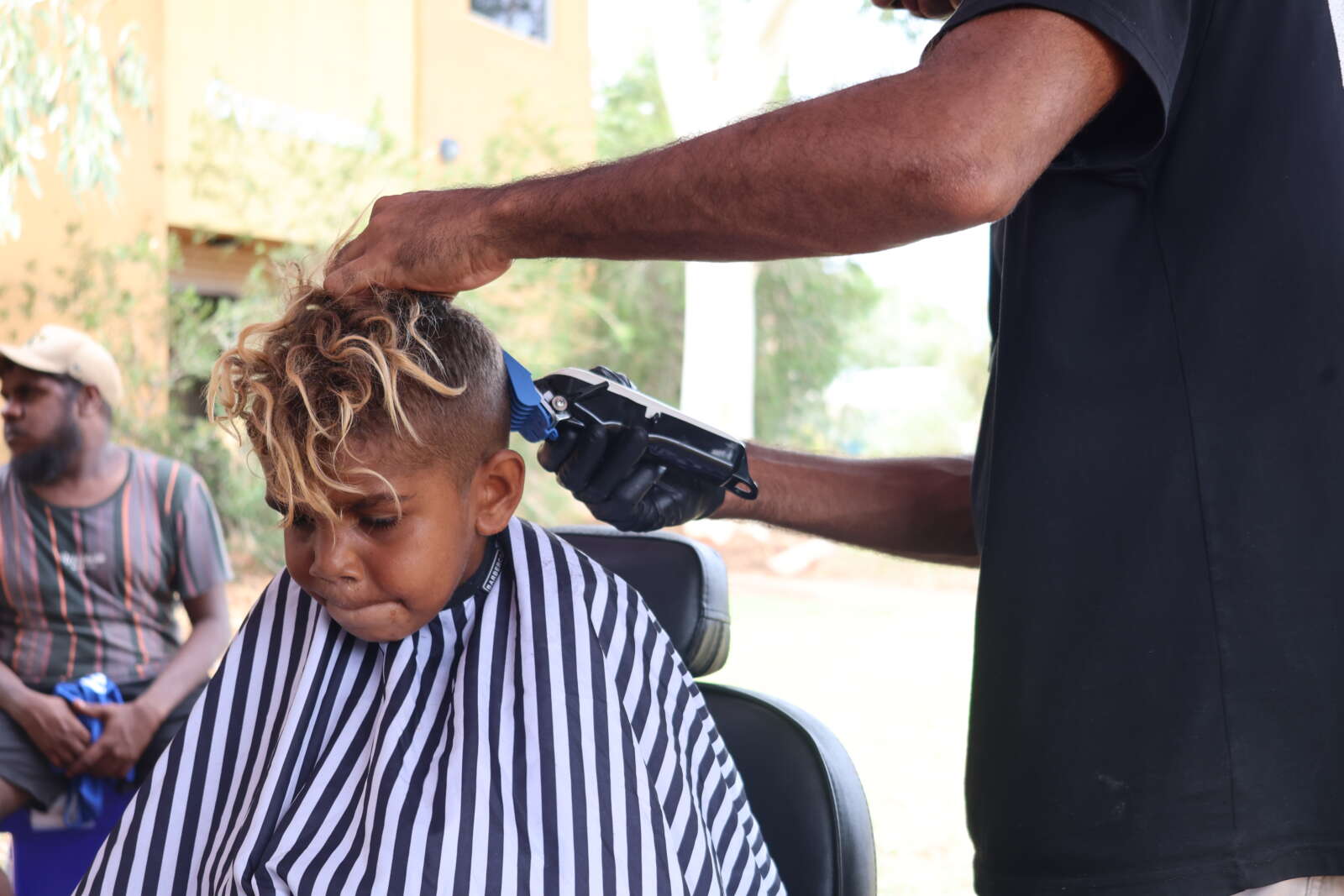
Providing Activities For Growth That Most Australian Children Take For Granted
In big cities and regional areas young people can access activities like sports, and music classes fairly easily. In remote communities the situation is very different. From getting your hair cut to accessing movies, learning art, cooking or sports often relies on youth services like NPY Women’s Council. The activities provide more than entertainment, they also young people’s wellbeing, confidence. The activities are also commonly supported as a diversion activity for youth and a solution to reducing anti-social behaviour.
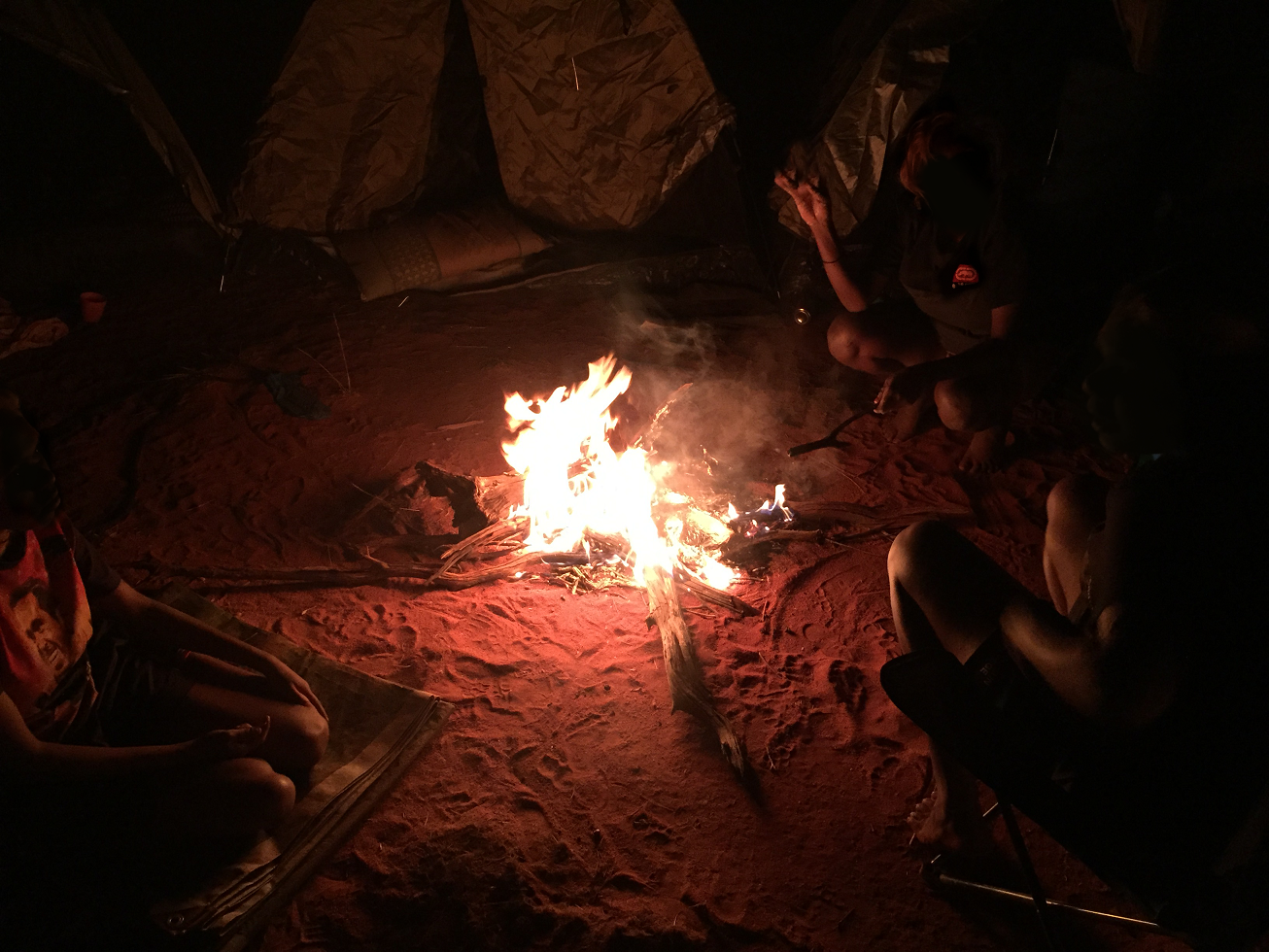
Domestic & Family Violence Service Hits Boiling Point Over Summer
In the first three weeks of January 2024 over 300 phone calls have been received from women experiencing domestic violence in the remote NPY lands (population around 6000).
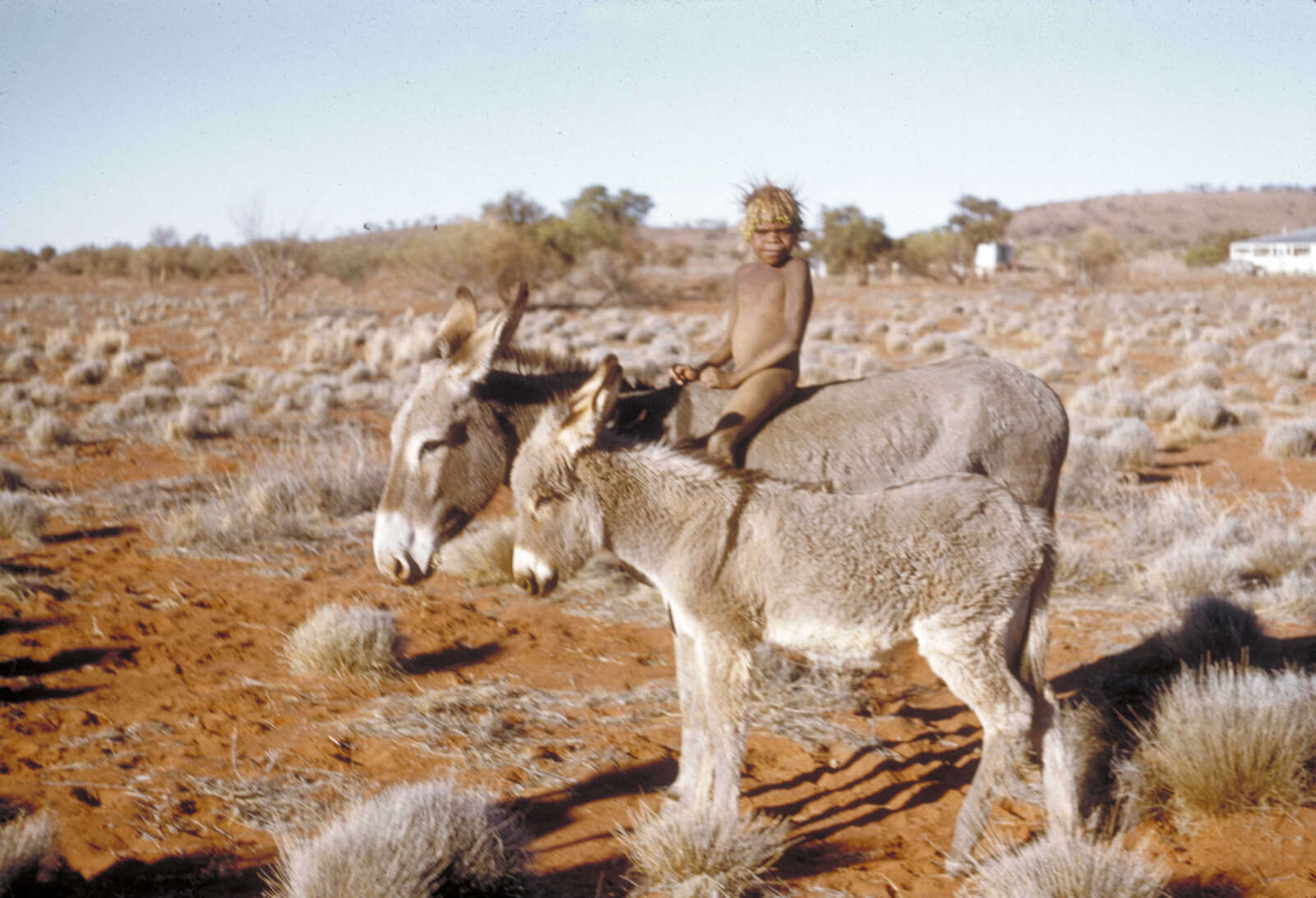
Wanatjura Lewis - Christmas Story
On Christmas day we would enjoy riding our donkeys and then there would be different Christmas activities for us. We were just naked children then, and we would have a fun day. We’d have tug-o-war competitions, and we’d have races with biscuits balanced on the tops of our heads.
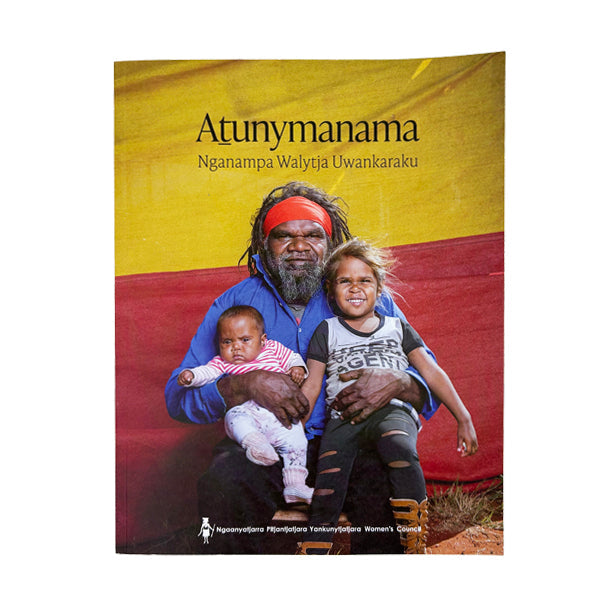
A new book by Anangu men sharing stories of care and hope for family and community
Atunymanama (AH-tuhn-mahn-ah-mah) celebrates Aboriginal men as care-givers, teachers and leaders in a stunning book of family portraits and personal stories. Atunymanama is the latest offering from a group of Anangu men from the NPY lands in the remote central desert of Australia, known as the Uti Kulintjaku Watiku collective.
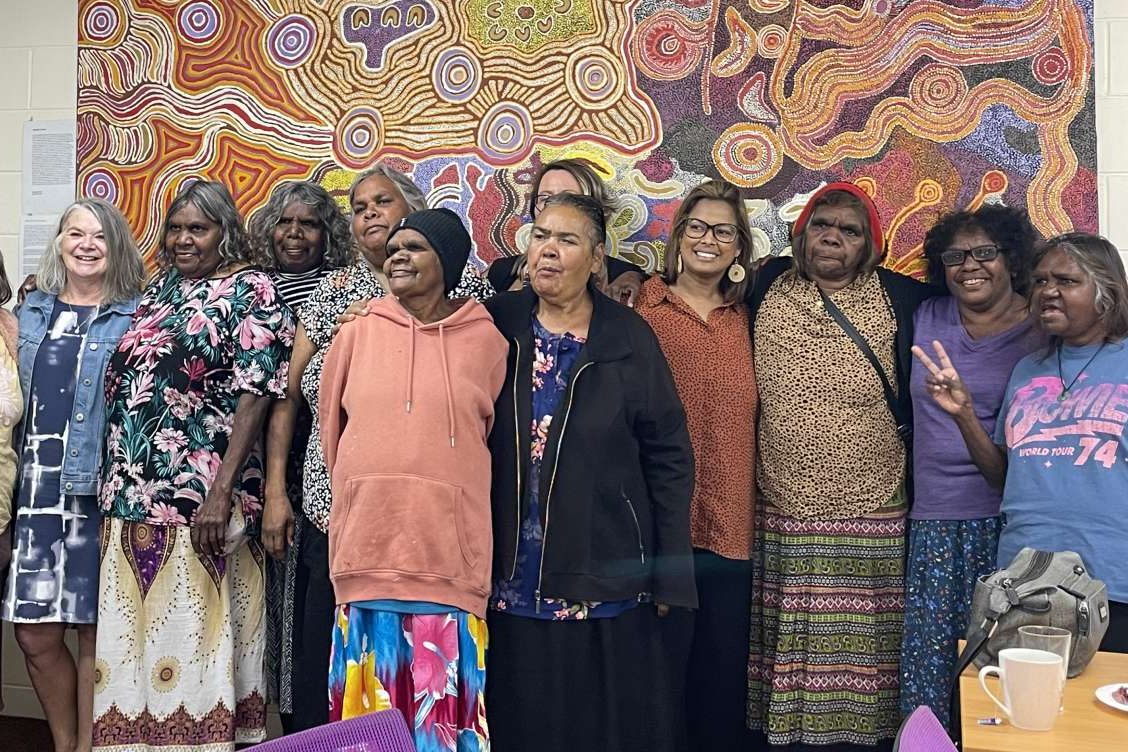
A Song of Children Being Swept Away
Margaret Smith and Rene Kulitja sing a song describing children being taken away by a “whirly – whirly”, the song talks about the impact of children being taken away by Child Protection.

"We want to speak up because there are kids running around that need to be listened to"
A group of young people from the NPY lands met with the National Children’s Commissioner last week to talk about “Why some young people are getting into trouble” and reasons “why some young people don’t get into trouble”.

Kulintja - The Art of Deep Listening
Kulintja means listening, listening deeply. This is how NPYWC Chairwoman Margaret Smith and Tjulapi Carroll, members of the Uti Kulintjaku team at NPY Women’s Council explain it, speaking at the NT Writers Festival in Mparntwe/Alice Springs.

With the imminent closure of 4 remote youth programs in central Australia and the banning of the remote community football league from being played in Alice Springs, remote Aboriginal youth now have even less to look forward to and little support and activities to engage with in their home communities.

Shalaylee (end right) is 18yo and works for NPYWC helping young people in remote NPY communities access boarding school opportunities. Originally from Imanpa and now living in Alice Springs, Shalaylee talks to young people outbush everyday and understands their dreams and hardships.

In year 8 my family and I made a decision for me to move from Imanpa and stay with family members in Alice Springs to access education. It was hard but it was a good decision for me. A lot of my friends that stayed in Imanpa didn’t finish year 12, so I feel the extra support of larger schools in town really helped me.
When I finished year 12 I started the Iwara traineeship with NPYWC. Lulu took really helped me through the course. Lulu had completed the Iwara program the year before and was now helping new people learn about different work options and get some work experience and confidence.
When a position came up with the NPYWC in boarding school program I was really interested. I went through an application process and now I help other young people from Imanpa, Docker River, Pukatja, Mutitjulu and Amata interested in attending boarding school. I help their families learn about boarding school options across Australia and help them with forms and make sure they are ready and have things they need for school.
My job has allowed me to really grow; I have worked on a evaluation of the boarding school project and have been lucky enough to advocate for young people by attending WIPCE (World Indigenous Peoples Conference on Education) in Adelaide and also meet with the Prime Minister on the current Alice Springs Youth issues.
School has helped to give me a really good opportunity in life and now I get to help other people access an education they would like, too.
Read more about Anangu youth and their dreams, hopes and hardships
A Grandmother's Two-Year Fight
When a three-year-old was taken into non-Aboriginal foster care, child protection began looking for kinship care. Kinship care is the best outcome for children removed from their parents – it keeps children safe and connected to family and culture.
The child’s grandmother expressed great interest in being the kinship carer. The grandmother contacted NPY Women’s Council to help her understand the process. Navigating beaurocratic systems is always complicated but this is compounded when English is not a first language.
The process became increasingly complicated as the grandmother lived in a different state to her grand-daughter. The family lived in Central Australia at the tri-state junction of NT, SA & WA. During this time the child’s parents also moved across borders throwing the case into a complex limbo across states.
While constantly monitoring and supporting the grandmother seeking to gain care of her grandchild, massive delays occurred due to changes in case direction across states, the difficulty of completing carer assessments across borders, non-transferability of carer assessments, time-lag in transferring the case via the interstate liaison process, the timing out of assessments and delays in probity checks and housing checks. This all amounted to a two year delay in the placement of the child with her family and culture.
These administrative issues also meant that the child had no potential to be re-united with her parent either, even if their situation and ability to parent improved.
NPYWC Child & Family Wellbeing Service consistently advocated for the kinship assessment process to continue, despite the complexities to ensure the young person’s connection to language, culture and country continued. The grandmother was successfully assessed as a kinship carer and the child returned to her family and community in July 2022.
NPYWC will continue to advocate for a cross border Child Protection Framework to ensure that all children in need remain with their family and community, and heartbreak for both child and family is lessened.
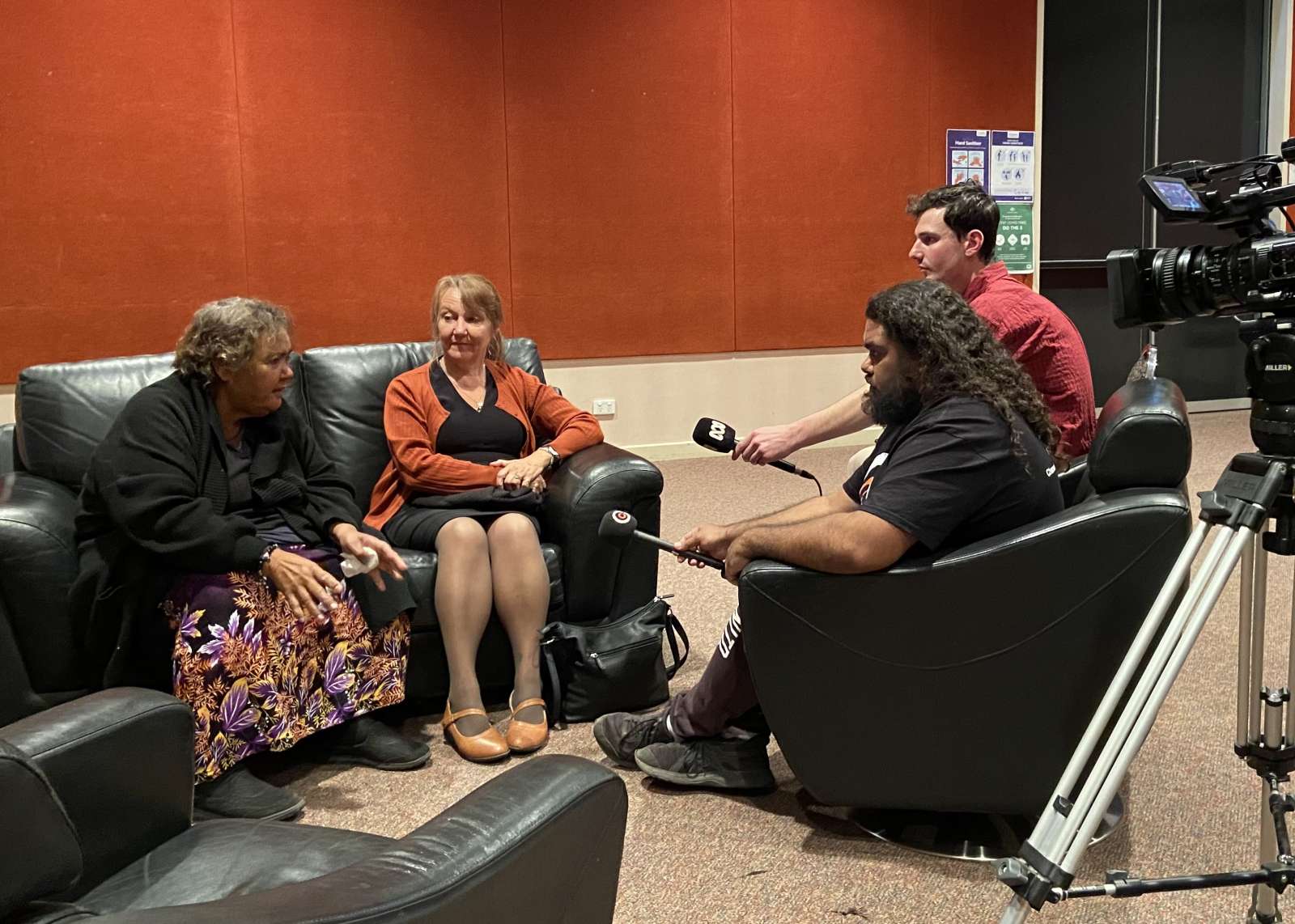
Anangu Tell Their Story at the Disability Royal Commission
Therapeutic support for Anangu child with a disability in Alice Springs is not a “family holiday”
Supporting families caring for people with a disability produces the greatest quality of care. In remote areas where there are little to no specialised services, families step in to the bulk of caring for people with a disability with limited respite.
Speaking at the Disability Royal Commission NPY Women’s Council shared many stories of the extra hardship people with a disability living in remote areas face. Lack of access to therapeutic support & basic disability support services coupled with language and cultural barriers prevent engagement with NDIS plans.
NPYWC told the story of a child with a disability from the NPY Lands needing to access important early intervention therapeutic support in Alice Springs. Due to a range of serious family hardships including domestic violence and overcrowding, the child’s key carer requested that family members (siblings) come with her and the child to Alice Springs for her treatment.
Senior NDIS staff stated they could not support “family holidays”.
NDIS plans focus on the individual and fail to consider the families struggling to support people with a disability, often experiencing extreme financial hardship & with little access to services in their communities. Supporting Anangu families gives people living with a disability out bush the best chance for support.
Read our submission to the Royal Commission into Violence, Abuse, Neglect and Exploitation of people with Disability (an updated statement will be available soon).
Find out about Tjungu our Aged & Disability program
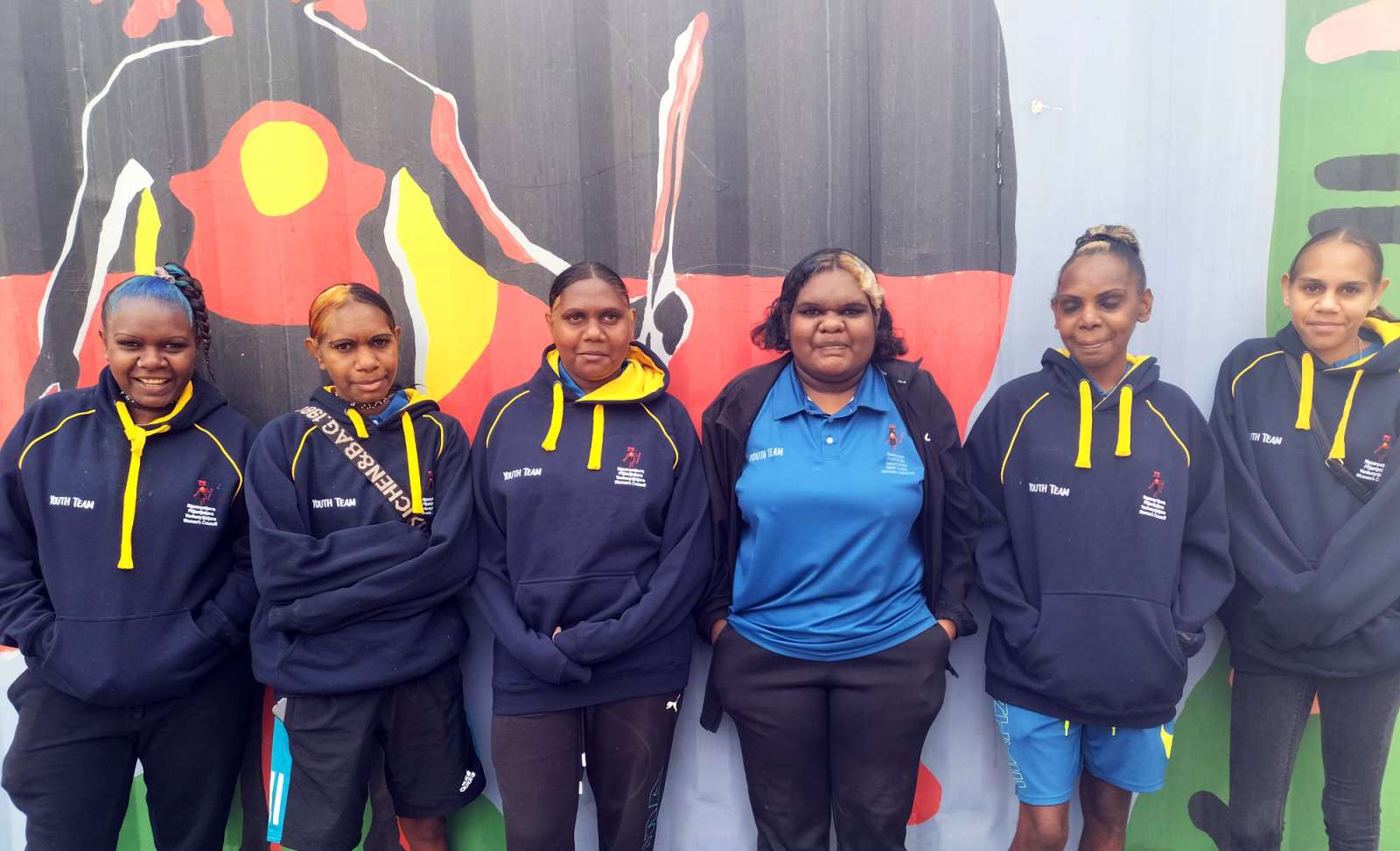
Meet The Kungka Tjuta Putting Their Hands Up For Jobs!
Crossing language and cultural barriers can be challenging when you are looking for work.
Meet Keisha, Alicia, Cynthia, Anne-Marie, Delicia and Shalaylee . They are our latest recruits to the NPYWC Iwara Program. Iwara is the Pitjantjatjara word describing pathway, and in this context a pathway to employment. From Kaltukatjara (Docker River) and Imanpa, the girls all went through a formal application process to join the program. This made sure everyone was dedicated, showed initiative and had a heap of determination.
Iwara is an 8 week intensive program based both in Alice Springs and out bush that helps young school leavers from the remote NPY lands get ready for real work in their communities and beyond. The program looks at:Employers expectations
- Administration skills
- Confidence and communication
- Experience in the workplace
- Experience running activities
Its challenging & pushes you out of your comfort zone… Iwara aims to help young people get confident and build skills for jobs that may exist in their home communities.
Iwara is in its second year after a really successful debut seeing all graduates of the program begin work their own communities.
Iwara has a strong sport and recreation focus with young participants running sports activities with young people.
An Iwara guys group will be starting soon!
We just had to share some wins from a few of our amazing initiatives
Tjanima Tjukurpa Winner of Children’s & Young Adult Book at the Chief Minister’s NT Book Awards 2022
“This book means a lot to us wati because when we were writing it, we didn’t know what we was getting into. But look we knew it was a story about one young fella who got healed with his grandfather. At the end of the day it makes us watis so proud and the NPY Woman’s Council and the Uti Kulintjaku team because we won something and that’s good. And it was good to write in our own language, in Pitjantjatjara, Yankunytjatjara and Ngaanyatjarra. There’s three languages in there and you know its good for Anangu to write books and to see how Piranpa write books because its not easy. It wasn’t easy, wiya! But we are so happy, palya.” Robert Hoosan (pictured)

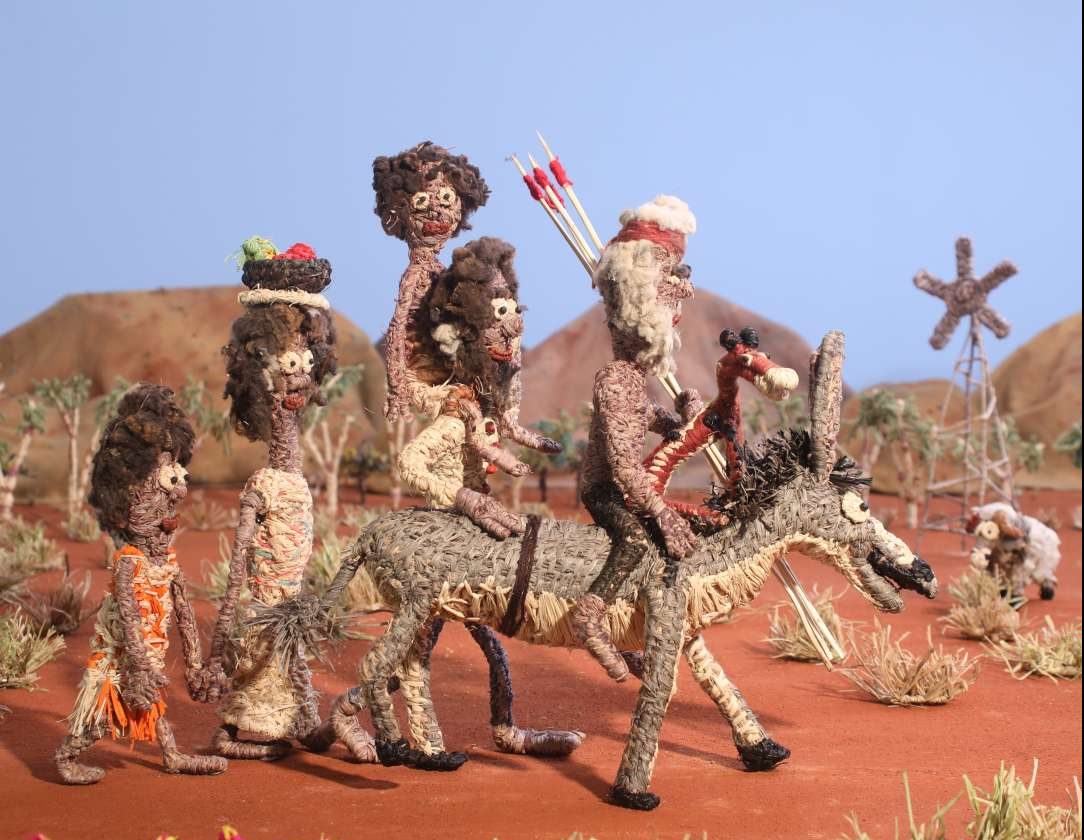
Tjanpi Desert Weavers animation Tangki (Donkey) wins Sydney Film Festival AFTRS Craft Award and the Yoram Gross Animation Award
Tangki is a story the introduction of donkeys to the desert community of Pukatja and the special vond that has formed between Anangu and tangkis.
The animation was a collaboration between Tjanpi artists, Imuna Kenta and Elizabeth Dunn supported by Creative Emma Franklin and Co-Director Jonathan Daw. Picutred below.
This film was supported by the Australian Government’s Indigenous Languages and the Arts program.

Working Together to Ease Border Complexity Heartbreak
In a region where for tens of thousands of years Anangu families have lived, connected by common language, tjukurpa and family – differing state laws and services can cause distress for Anangu carers, families and children navigating the child protection system.
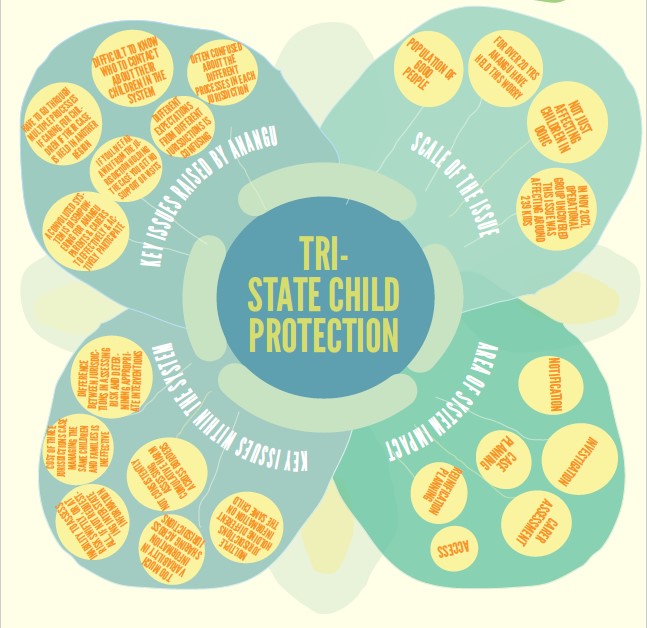
Around 239 children and their families in the tri-state region of SA, NT and WA are engaged with Child Protection services across 3 jurisdictions. Families and carers of these children are experiencing difficulties understanding differing Child Protection rules and expectations across borders.
Families and carers across the tri-state region may face differing processes to access visitation, multiple case workers and multiple process for placement and reunification. NPYWC and state and territory agencies are coming together to see how we can consolidate these process to keep children connected to family, culture and country.

I could pick up a phone and know exactly who I am talking to instead of everyone looking for a case worker. It would make things easier for health departments. At the moment NPYWC is acting like the tri-stateofficer.
Tanya Luckey, Kinship Carer
We have been talking about three states, three governments, three funding’s and three rules. These are all tough laws for us to follow. NPYWC have been trying to make these laws easier, they should just be
dealing with one law.
NPYWC Director, Margaret Smith
In the hope of giving children and their families the best chance of being with family and culture on country, NPY Women’s Council has bought together the NT, WA and SA Child Protection Agencies to work towards a number of issues raised by Anangu carers and families. Concerns include:
- Difficulty in knowing who to contact about their children in the system
- Confusion about the different processes in each jurisdiction
- Confusion in having to go through multiple processes if caring for children when their case is held in another region
- Convoluted systems that become disempowering and difficult for Anangu parents and carers to effectively and actively participate
- Different expectations from different jurisdictions
- Lack of support to access visits to children if children are in a different state or territory
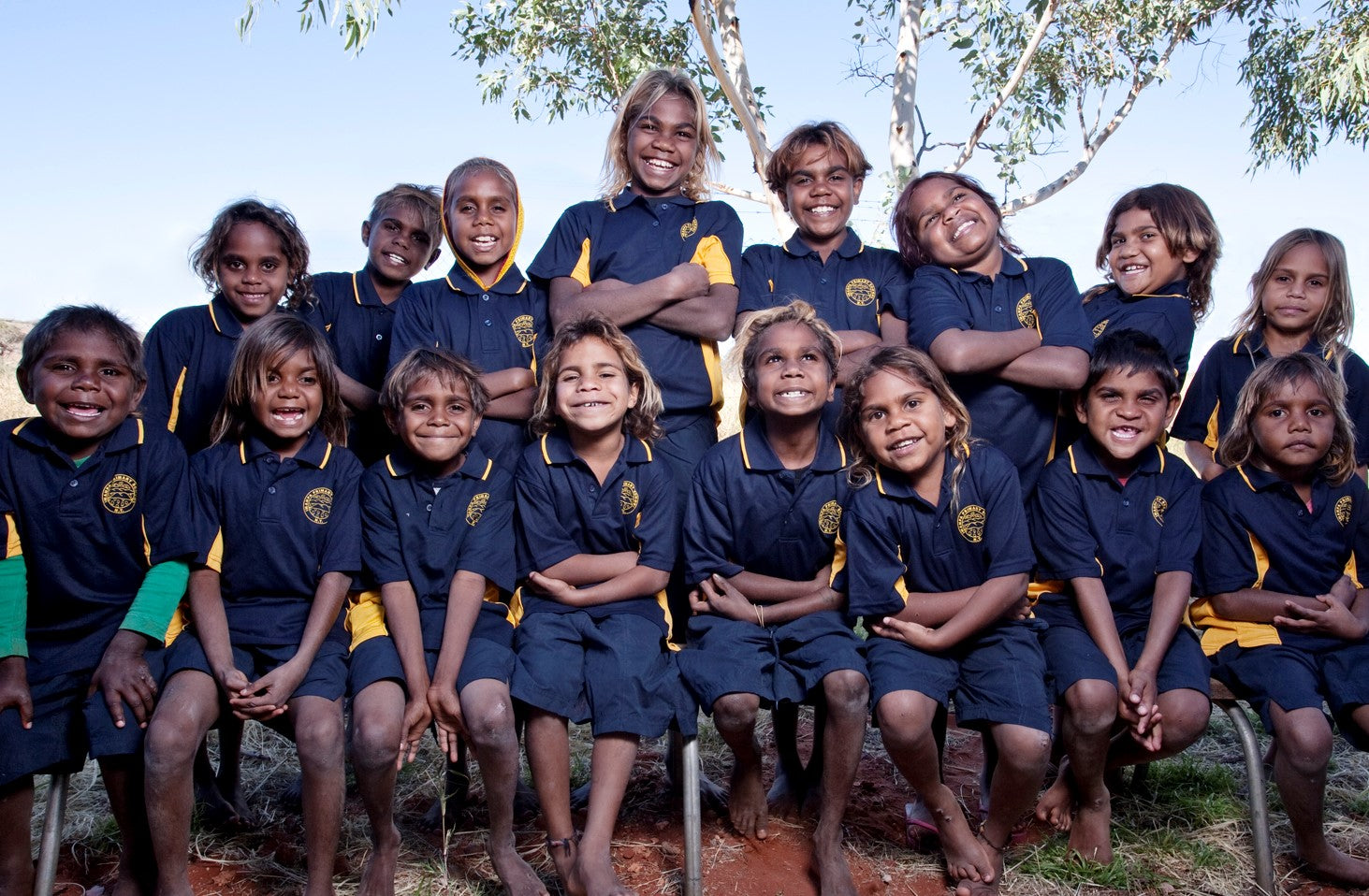
Access to Education In Your Own Language and Culture is a UN Human Right
The fight for two-way learning
The world recognises that Anangu have rights to learn in in their first language, and the right to govern the education systems that their children and young people access. Our Directors and Members work tirelessly for a more culturally relevant curriculum, more Anangu teachers and seek input into how schools recruit in their communities.
“Education is the key. Young people can become leaders and teach other people. Young people need to respect the culture and ensure two-way learning. We need to keep two ways culture, don’t let it go because of education, you’ve got to still have your culture."
- Daisy Ward
It is vital that young people learn in their first language and that they can grow strong in both cultures.
Access to education is a human right: It is recognised in the United Nations Declaration of Human Rights – Article 26 – Everyone has the right to education and parents have a prior right to choose the kind of education that shall be given to their children. It is clear also, in the United Nations Declaration on the Rights of Indigenous Peoples that Indigenous peoples have the:
- Rights to establish and control their educational systems and institutions
- Right to access an education in their own culture and provided in their own language

Director, Maureen Baker, Director, Rene Kulitja & NPYWC Youth Service Manager, Christine Williamson at the AITSL Conference in Canberra
Anangu understand the importance of this declaration and the benefits it has to children and young people. Most importantly, it recognises the right to education in their own language, a right that was experienced by many senior Anangu in the NPY region during the 1970’s and 1980’s.
We are seeking a just and fair education system that supports their children and young people to grow up strong, to determine for themselves their pathway to a future that is filled with opportunity both in mainstream Australian society, and in Anangu society. We seek choice and support for keeping two-way learning strong.
We need more Anangu qualified teachers and make sure Anangu participate meaningfully in recruitment and appraisals of principals in their own communities.

Directors Rene Kulitja & Nyunmiti Burton in Canberra
We are working hard to actualise these priorities and rights. This includes working with the following partners:
- Australian Institute for Teaching and School Leadership (AITSL) to review and recommend standards for ‘Indigenous cultural competency in the teaching workforce: National Dialogue’.
- Department of Education, Skills and Employment to advocate for the above identified priorities and increased resourcing for boarding school support and place based initiatives designed and implemented by Aboriginal organisations and communities.
- Indigenous Education and Boarding Australia – advocating boarding school students needs and provide recommendations on standards for boarding school that support Anangu students while away from their families
- NPY Empowered Communities Secretariat (NPY EC) – working with NPY EC to identify transition from school to work pathways and better data sharing
- Ngaanyatjarra Lands Schools – working with the schools to promote attendance and support student’s well-being.
- Recent submission into the ‘Parliamentary Inquiry into Education in Remote and Complex Environments 2019 – 2020’.
- Partnering with King & Wood Mallesons (KWM) to co-design an education and employment strategy for NPY Women’s Council.
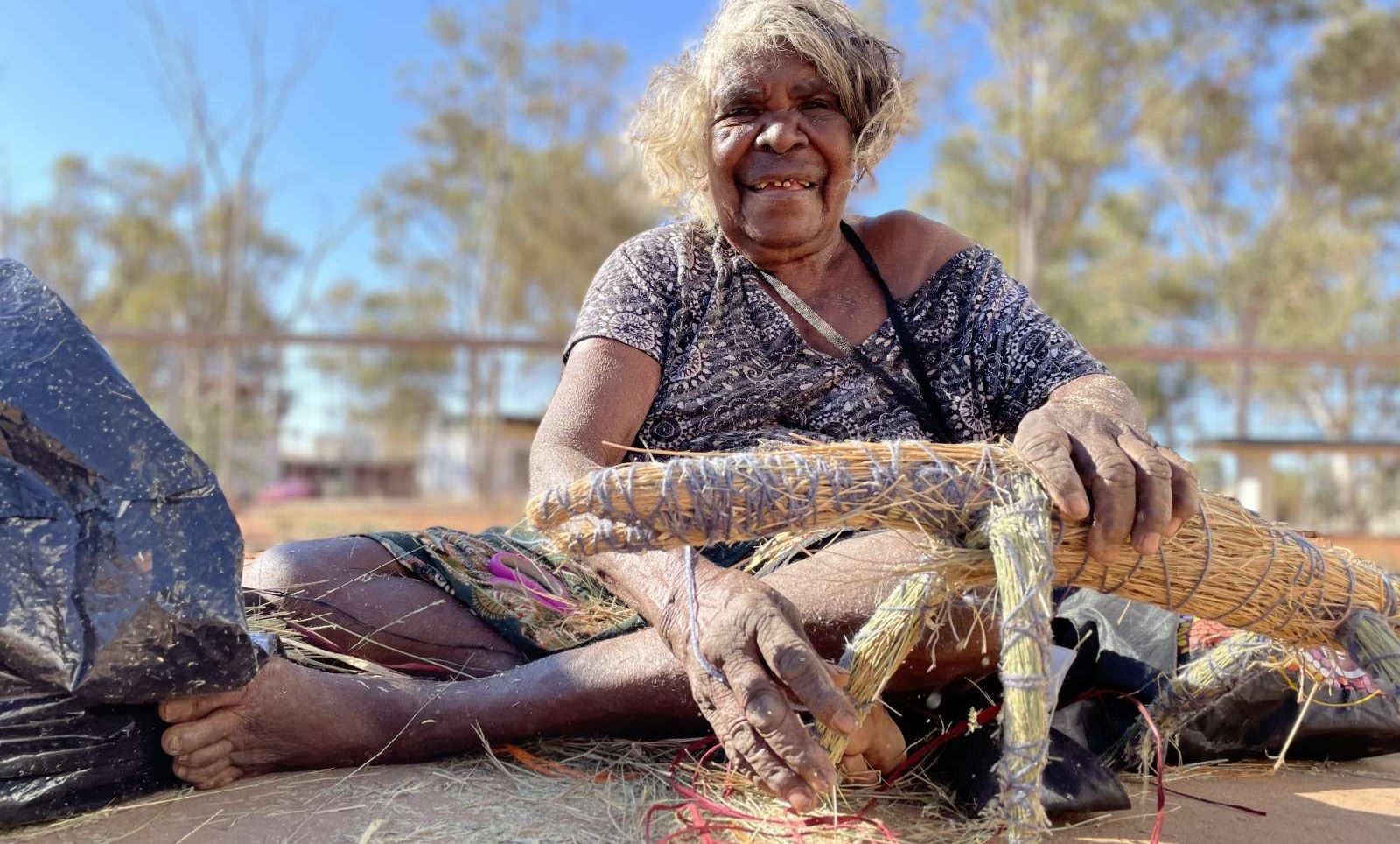
Formal Recognition and Support Needed For Art Centres Delivering Care For Elderly
New research shows art centres play important role for the aged in communities
A three-year research study has found that Aboriginal art centres play a key role in delivering day-to-day care of older artists as well as creating a space of healing and respite.
Tjanpi Desert Weavers is a social enterprise supporting and elevating fibre artists from the NPY lands. Many of our artists are older women who not only form the cultural backbone of Tjanpi but also require an increasing level of care.
Art centres like Tjanpi work hard to support elderly artists and their day-to-day health needs, whilst facing challenges such as:
- Lack of formal recognition or resourcing in supporting older artists
- High demands of care from elders and community
- Poorly designed or inadequate infrastructure at art centres
The National Ageing Research Institute worked with Tjanpi Desert Weavers, Mangkaja Arts Resource Agency (Fitzroy Crossing) and Ikuntji Artists (Haasts Bluff) to conduct a research study to understand how three different art centres in remote locations support their older artists. The research study was funded by a Department of Health Dementia and Aged Care (DACS) Innovation grant from 2017-2021.

Key findings of the research include:
- Art centres are considered a safe space, a place of healing and respite, and a place for everyone. They reduce stigma associated with dementia and functional decline; they promote a sense of belonging.
- Art centres play an enormous role in delivering day-to-day care needs of older artists. They also facilitate social connection, spiritual and cognitive wellbeing.
- Elders are at the foundation of the art centres.
- Art Centres work hard to build and maintain relationships of trust and reciprocal models of care.
- Older artists are the senior artists, role models and ‘superstars’.
- The centres prioritise the role of Elders by creating a space where intergenerational connection, teaching and learning, and leaving a legacy are key drivers of their engagement.
- They retain a local workforce and they are in an ideal position to notice physical and cognitive changes in older artists and work with them to promote social, emotional and cognitive wellbeing.
- Elders are integral to the governance systems of art centres. Culture, Country, kin, language and storytelling are embedded into these systems and everything they do.
- The centres are immersed in their Country’s context and the history of their community.
- Many art centres are collaborating with aged care providers and have identified the potential to enhance these collaborations to better meet the needs of older artists and their families. This includes sharing infrastructure, organising joint trips to Country, sharing staffing and expertise across sites.
Tjanpi is currently advocating to government through the Royal Commission into Aged Care Quality and Safety and the recent Productivity Commission to share these keys findings. This research will also be shared through peer review journals such as the Australian Journal of Ageing.
You can learn more from the following audio visual resource.
https://www.nari.net.au/art-centres-supporting-elders-a-good-news-story
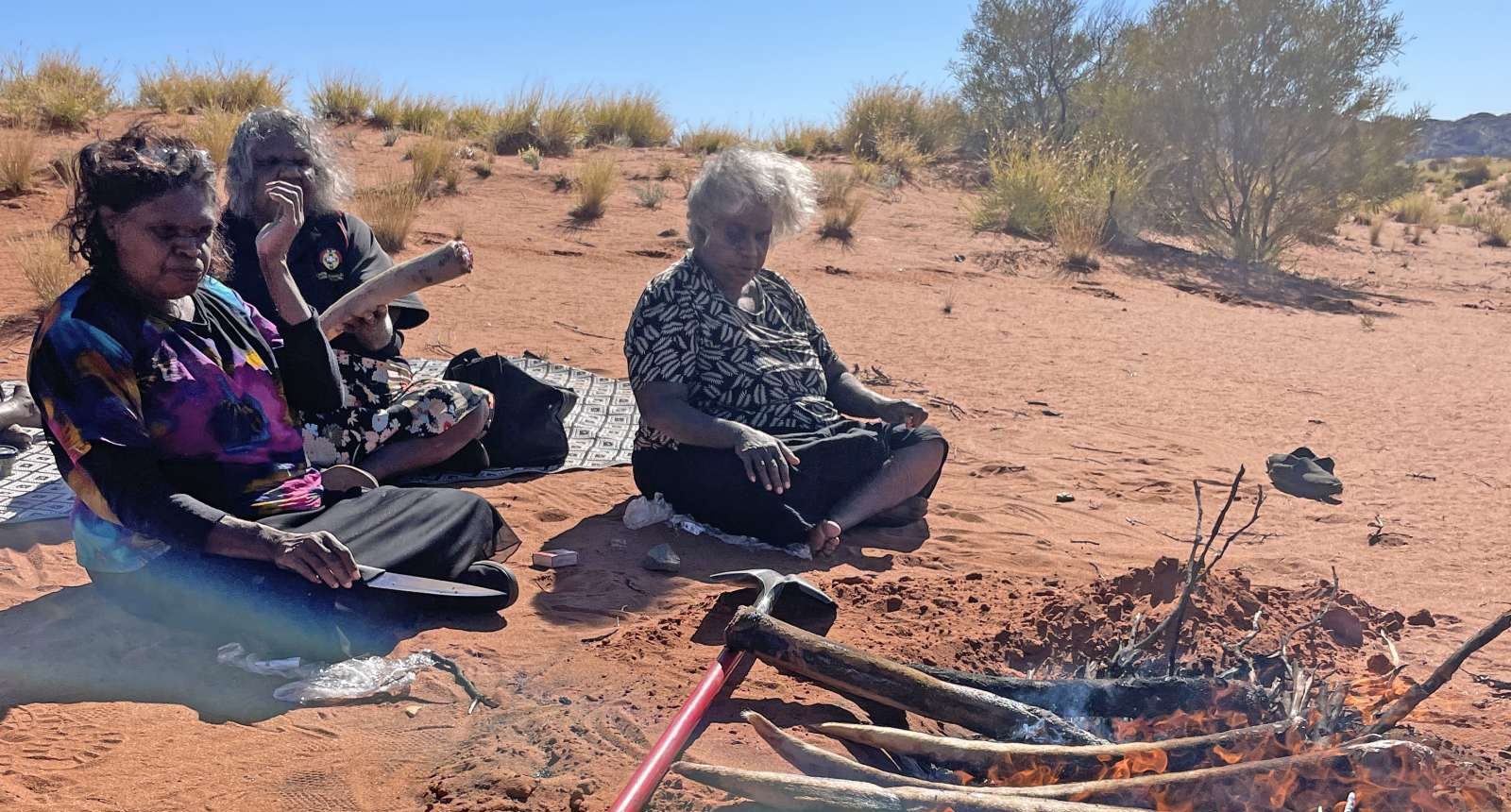
"We don't understand" - Disability Information Not Working
Working to bring cross cultural understanding for disability information in remote communities
A lot of health and disability information sent to remote communities is written in English, uses terminology and have poor distribution channels. Generic disability information often fails to understand the context of remote community life and that prescribed services, examples and health directives are not available or easily undertaken in communities.
We have begun a disability Information Project, we want to know how to best make information people can understand and act upon.

Information is empowering, with good information you can make good decisions. We believe accessible information is key to creating an equitable, inclusive society.
The Tjunguku Information Project has started talking to communities about what disability information people found challenging and what they were interested in learning about. People were interested to learn about different disabilities like Foetal Alcohol Syndrome Disorder, acquired brain injuries, dementia. They wanted to know how to support people living with different mental health conditions and cognitive disabilities.
The Information Project aims to tailor key messages that raise awareness and understanding of different disabilities and where to find support in a way that is both accessible and understandable to remote community members.
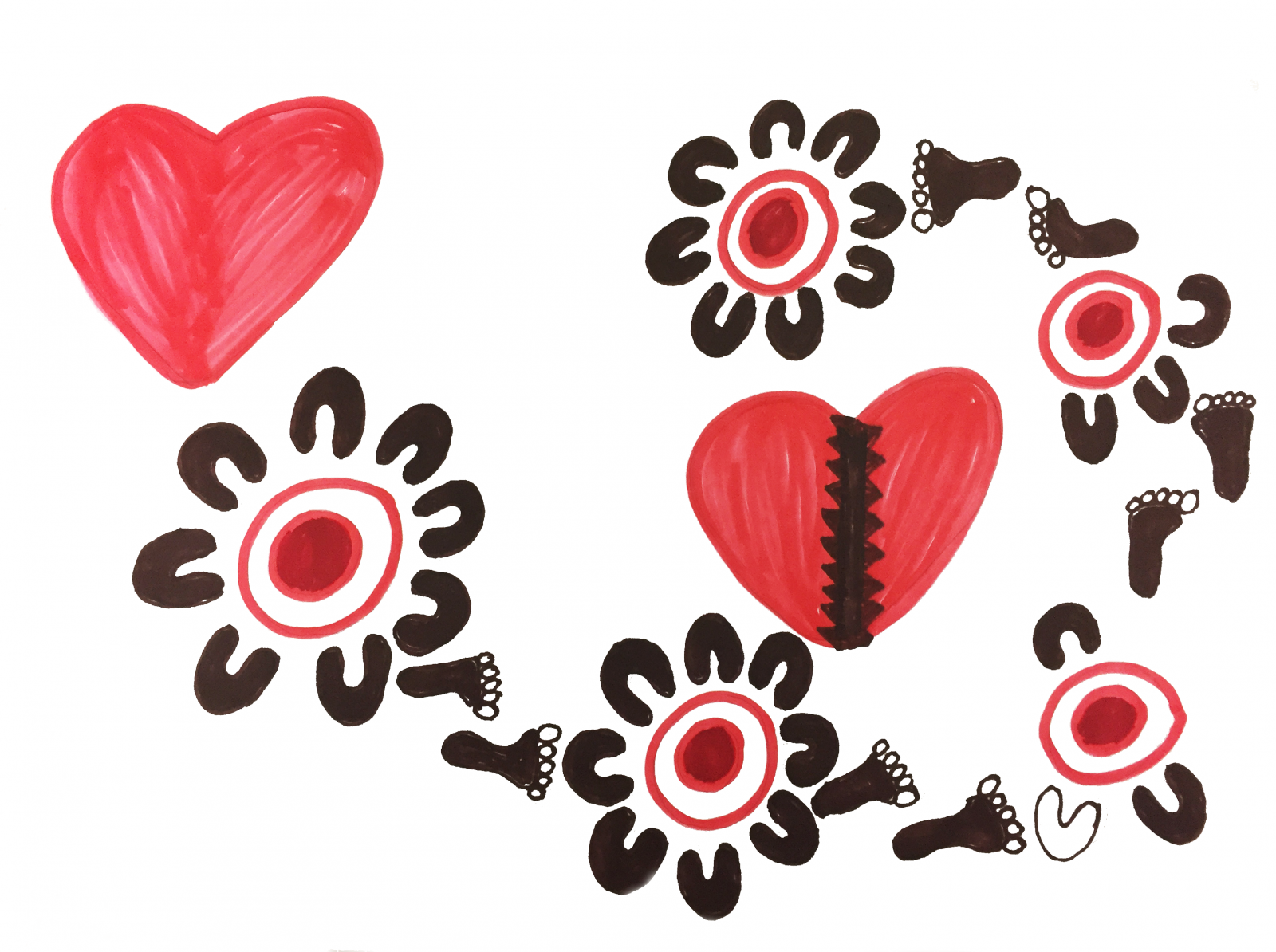
COVID Placing Women and Children At Greater Risk of Domestic Violence
How restrictions and stretched services have taken a toll
Women and children have been placed in vulnerable circumstances unable to flee violence, access sexual assault screening and police support…some have been facing homelessness in an effort to keep themselves safe amongst Covid restrictions. How Covid has placed women and children at greater risk of domestic and family violence under a complex landscape of stretched services, border barriers and busy health systems.
More barriers for an already stretched service
In remote regions where there is already significant limitations in regard to domestic & family violence support, Covid -19 restrictions have created greater complexity for women and children accessing support services. This is especially true in the NPY region placed at the intersection of 3 state & territory borders.
In early February, some remote communities were inaccessible to police and airstrips were closed due to flooding. These communities were only accessible by roads with services across borders.
Despite urgent requests for cross-border police responses to domestic & family violence, enforced border restrictions meant approval for police responses were denied, leaving some women and children at risk of serious harm.
Impact of busy health systems for women experiencing domestic violence
Reduced RFDS capacity due to covid-19 related backlogs and airstrip flooding has created precarious circumstances for women and children experiencing violence related injuries.
Women and children have been, at times, unable to access urgent medical review, mental health support, sexual assault screening and emergency evacuation following serious Domestic Violence incidents.
In one instance our service had to a charter private flight to ensure safety for a young woman who had experienced and remained at risk of extreme domestic violence.
Women locked out of safety
Women in urban centres, such as Kalgoorlie, Alice Springs, Adelaide and Port Augusta have been forced to navigate vaccine mandates, lockouts and lockdowns, within an overwhelmed service system where crisis accommodation options have been limited.
Support services have been under pressure and have been frustrated by blanket Covid-19 responses. They often have not been able to provide financial or practical support for women and children who have either fled from violence in community or are experiencing violence in town but are unable to return home due to reduced transport, border closures and the cost of quarantine requirements.
Our service, despite having limited funds, and at great expense, continue to fill service gaps across all of these regional hubs. In an effort to ensure women and children are not forced into homelessness or the child protection system we continue to fund alternative accommodation, food and transport outside our service.
This has not only resulted in significant financial strain on the service but is also contributing to an under-resourced and overwhelmed workforce.
Increase in demand
Since the beginning of the Covid-19 outbreak, we have seen an increased demand for our service. Our team have been receiving around 600-700 calls a month from women. The calls could be for anything from emergency food relief, homelessness support to urgent support for safety.
What needs to be done
Despite the increased complexity of responses and limited resources, we continue to try our best to explore innovative ways to support women experiencing violence on the Lands.
To keep women and children from remote communities safe from domestic & family violence we urgently seek:
- Stronger cross-border responses and clearer exemptions for border crossings, quarantine and return to community for women and children fleeing domestic & family violence.
- Transportation options to support women and children to return to, or leave, their communities.
- Financial support and options for emergency accommodation for women in urban settings fleeing violence
- Increased financial support to enable greater emergency financial relief for transport, accommodation and material goods for women and children fleeing violence.
Now more than ever, we recognise that responses to preventing and ending violence are most powerful when they draw upon and uphold, the pre-existing knowledge and resources inherent within Anangu culture, families and communities.
Find out more about the NPYWC Domestic & Family Violence Service

Now here are my family looking so proud in their photograph. It makes you feel good to see it … being happy in your own place in the world. That’s what it is. It’s a good thing.
“I always talk to my grandchildren, telling them interesting stories about hunting, about kangaroo. You think they haven’t paid attention when you’re talking about catching a goanna. But then, they go out on the dunes and actually do it themselves.
They’ll be bringing them home and I’ll look up: ‘Hey, my grandson Phillip’s coming back with a sand goanna, he got a goanna! They all go up the dune behind Mutitjulu and bring back goanna.
It always makes me feel great to see that… It gets shared with any family that might come around: ‘Here you go, this is for you.’
The family all gets together to enjoy eating it.
Sometimes they go out and get grubs, turning the roly-poly prickle plants upside down. Then they bring back the witchetty grubs they find in them. I can see they’re clearly good at getting things.
Now here are my family looking so proud in their photograph. It makes you feel good to see it … being happy in your own place in the world. That’s what it is. It’s a good thing.
It makes me happy to see them looking so good like this in the photograph. Really proud, you know.”