

Footsteps of Ancestors: A Walk to Nurture Culture and Wellbeing
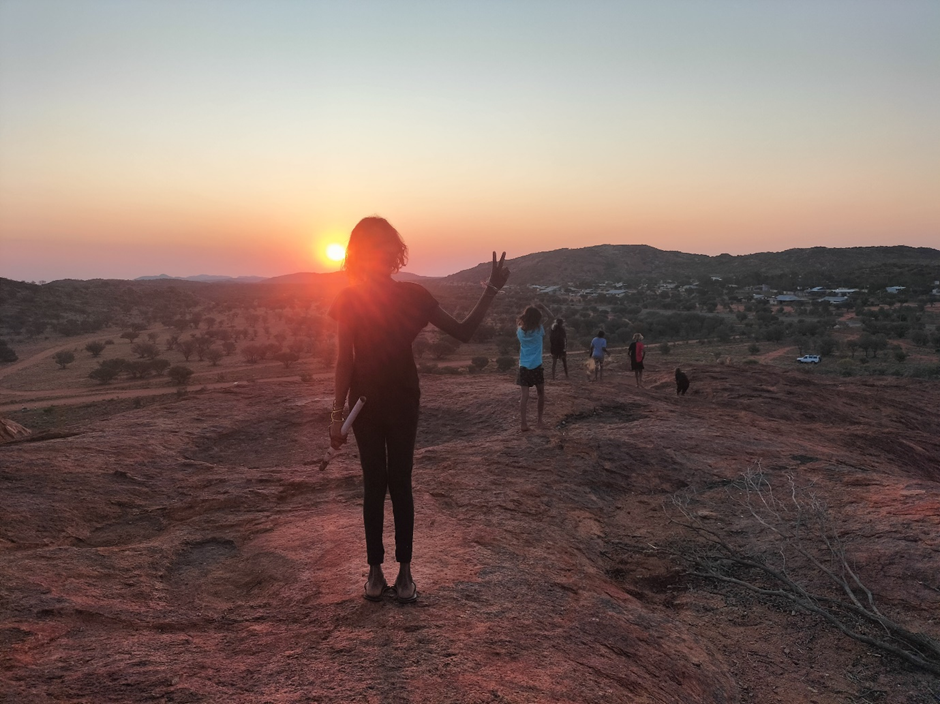
Before colonisation, Anangu travelled tjina ankunytja (by foot) the path joining the important water sites of Kulpitjata, Wala, Tjapiya and Mutitjulu.
A 50km wati (men’s) walk from Kulpitjata to Mutitjulu was conducted with the goal of reconnecting younger men with their ancestral country, law and tjukurpa.

For NPYWC’s Uti Kulintjaku Watiku team and other men involved the walk was a positive step in nurturing the wellbeing of younger men. The ‘inseparability’ of place (Country) to Anangu wellbeing and social cohesion is well supported in public health literature.
The walk was first proposed by senior man Stanley Windy, who saw the walk as a way to reconnect the men with culture and nurture wellbeing.
Over 30 men from across the NPY lands participated, including senior men who led daily alpiri—traditional morning gatherings that set the agenda and tone for the day. Along the journey, they shared tjukurpa, taught important cultural protocols, and discussed wellbeing supported by NPYWC mental health resources made by Anangu men from the Uti Kulintjaku (clear thinking) Watiku program.

” my spirit and health have been lifted up”
David Miller
At the end of the walk, families and community leaders gathered to welcome the young men and celebrate their achievement. Community leaders Sammy Wilson, Rene Kulitja, and David Miller addressed the group, underscoring the significance of the walk.
For the young men, the walk reinforced their connection to place, culture and each other.

Recently, the Uti Kulintjaku Watiku Team rediscovered the Uwankara Palyanku Kanyintjaku (UPK) Nganampa Health film made in the 1990’s entitled “The Rope Story”.
Many of the tjilpi (old men) in the film were the fathers, grandfathers and uncles of current the Watiku Team members. In one section of the film, the men reflect on the disintegration of Anangu society that they are witnessing. They use a piece of rope to illustrate their point. The rope has three strands. These strands represent manta (land) kurunpa (spirit) and Anangu (people). The external influences of colonisation (including alcohol, drugs etc) have caused these strands to separate. The work needed now, the old men claimed, was for the three strands of the rope to be bound together again.
For the current members of Uti Kulintjaku Watiku Team, this walk brought manta (land) kurunpa (spirit) and Anangu (people) together.
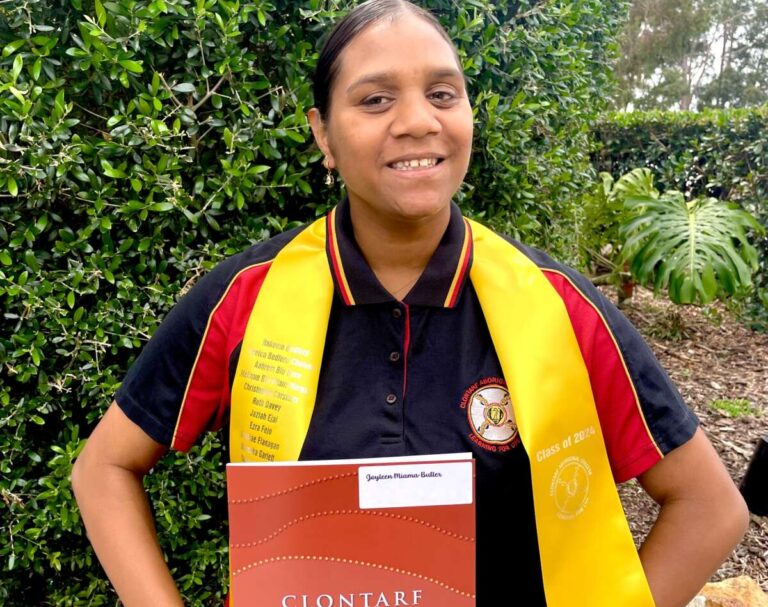

 Year 12 Formal Snapshot!
%20the%20path%20joining%20the%20important%20water%20sites%20of%20Kulpitjata,%20Wala,%20Tjapiya%20and%20Mutitjulu.%0AA%2050km%20wati%20(men%E2%80%99s)%20walk%20from%20Kulpitjat...)