Skip to content

Your donation supports the voices and leadership of Aṉangu women across the Ngaanyatjarra, Pitjantjatjara and Yankunytjatjara Lands. NPY Women’s Council is an Aboriginal-led organisation created by women for women, focused on improving health, safety, culture and community wellbeing in remote Central Australia.

We appreciate any contribution you are able to offer.

Please fill out the form below to make a donation.

Cart

Your cart is empty

Donate

Article: Criminalising Australia's Most Vulnerable Children

Criminalising Australia's Most Vulnerable Children

Criminalising Australia's Most Vulnerable Children

Children in the criminal justice system, some as young as 10 years old is one of the most urgent human rights issues in Australia.

Young people from the NPY lands spoke to the National Children’s Commissioner, Anne Hollonds about issues with the child justice system in 2023. Her report “Help way earlier” has just been released.

“Tragically, by not addressing their human rights early on, and instead taking a punitive approach to their offending, we are essentially criminalising some of the most vulnerable children in Australia.”
Anne Hollonds, National Children’s Commissioner

The report acknowledges the link between social disadvantage as a root cause of offending behavior. Despite this evidence, Australian policy remains heavily punitive, emphasising policing, stricter bail laws, and incarceration. These approaches often increase the trauma and inequality that lead children into the justice system in the first place.

” I spoke up because I want to stop the violence that kids in jail are going through.”

NPY Women’s Council Youth representative

Our young people put forward to the Commissioner ideas that prevent young people getting into trouble including:
– more meaningful engagement in the world through sport, education and work
– deep connection with family and friends
– programs to support work opportunities
– connecting with culture

NPY Women’s Council supports the recommendations of the “Help way earlier” report and calls for urgent reform. A punitive approach does not reduce crime, children jailed before the age of 14 have been found to be 3 times more likely to reoffend. Vulnerable children need support not jail.
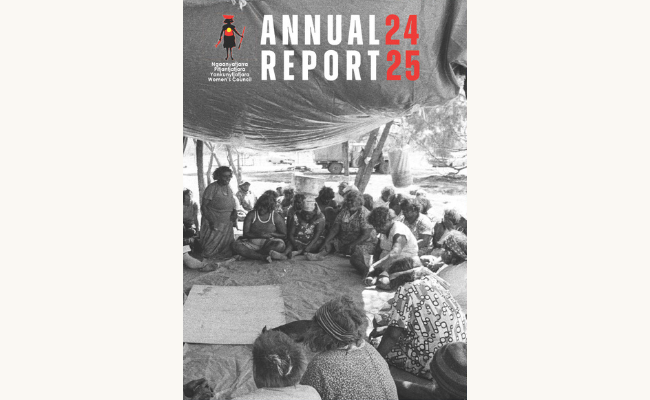
Read the “Help way earlier” Executive Summary

Read more

A Promise Culture Will Continue

A Promise Culture Will Continue

Guardians of the world’s oldest culture meet

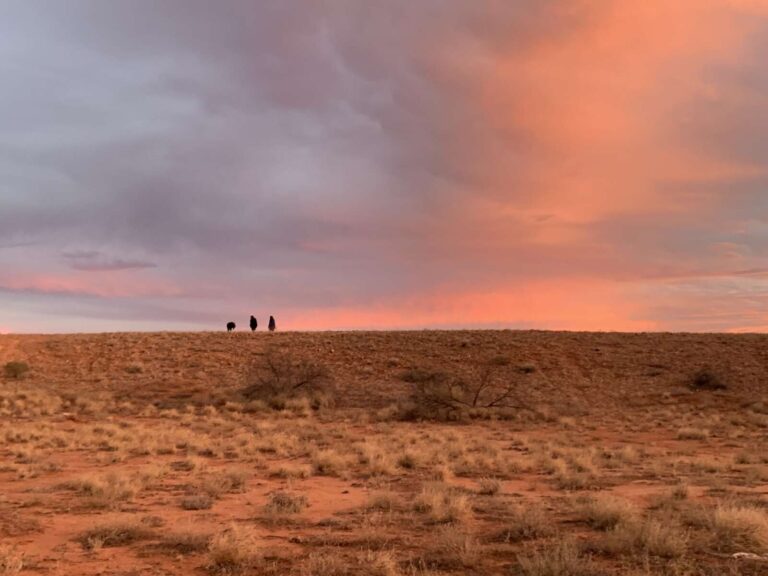
Each year 100’s of senior Anangu women, holders of ancient stories, travel from far across the NPY lands and meet to make sure their culture remains unbroken and nourishes future generations.

Read more
Footsteps of Ancestors: A Walk to Nurture Culture and Wellbeing
Ngangkari Traditional Healers

Footsteps of Ancestors: A Walk to Nurture Culture and Wellbeing

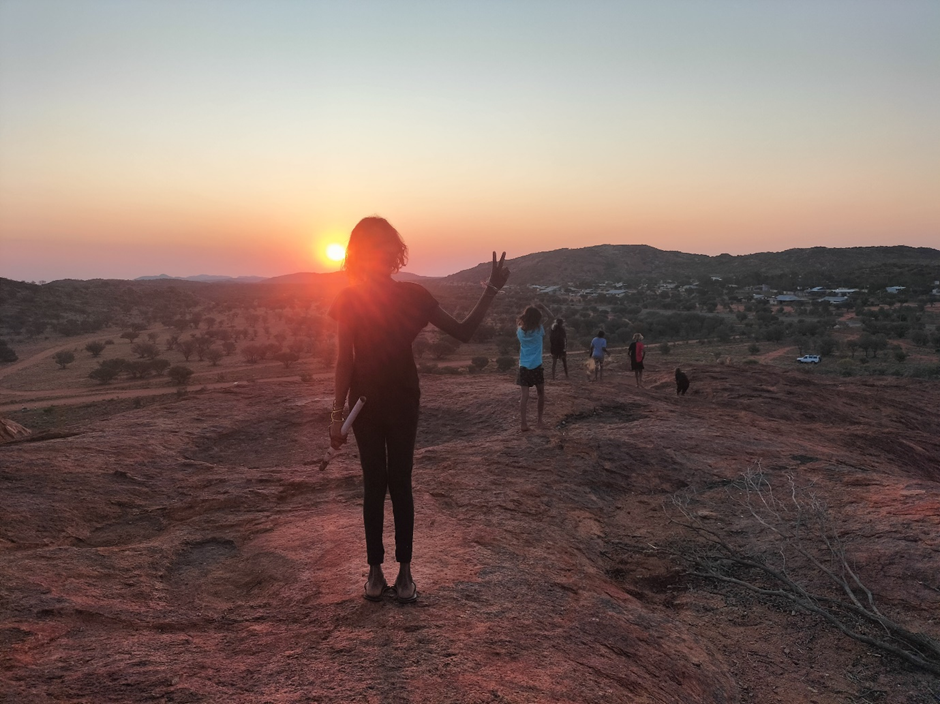
Before colonisation, Anangu travelled tjina ankunytja (by foot) the path joining the important water sites of Kulpitjata, Wala, Tjapiya and Mutitjulu.

A 50km wati (men’s) walk from Kulpitjata to Mutitjulu was conducted with the goal of reconnecting younger men with their ancestral country, law and tjukurpa.

aboriginal men

For NPYWC’s Uti Kulintjaku Watiku team and other men involved the walk was a positive step in nurturing the wellbeing of younger men. The ‘inseparability’ of place (Country) to Anangu wellbeing and social cohesion is well supported in public health literature.

The walk was first proposed by senior man Stanley Windy, who saw the walk as a way to reconnect the men with culture and nurture wellbeing.

Over 30 men from across the NPY lands participated, including senior men who led daily alpiri—traditional morning gatherings that set the agenda and tone for the day. Along the journey, they shared tjukurpa, taught important cultural protocols, and discussed wellbeing supported by NPYWC mental health resources made by Anangu men from the Uti Kulintjaku (clear thinking) Watiku program.

standley windy

” my spirit and health have been lifted up”
David Miller

At the end of the walk, families and community leaders gathered to welcome the young men and celebrate their achievement. Community leaders Sammy Wilson, Rene Kulitja, and David Miller addressed the group, underscoring the significance of the walk.

For the young men, the walk reinforced their connection to place, culture and each other.

Recently, the Uti Kulintjaku Watiku Team rediscovered the Uwankara Palyanku Kanyintjaku (UPK) Nganampa Health film made in the 1990’s entitled “The Rope Story”.

Many of the tjilpi (old men) in the film were the fathers, grandfathers and uncles of current the Watiku Team members. In one section of the film, the men reflect on the disintegration of Anangu society that they are witnessing. They use a piece of rope to illustrate their point. The rope has three strands. These strands represent manta (land) kurunpa (spirit) and Anangu (people). The external influences of colonisation (including alcohol, drugs etc) have caused these strands to separate. The work needed now, the old men claimed, was for the three strands of the rope to be bound together again.

For the current members of Uti Kulintjaku Watiku Team, this walk brought manta (land) kurunpa (spirit) and Anangu (people) together.

This walk was supported by NPY Women’s Council, the Central Land Council (CLC), Uluru Kata Tjuta National Park staff, CASSE, Voyages and traditional owners
Read more