Skip to content

Your donation supports the voices and leadership of Aṉangu women across the Ngaanyatjarra, Pitjantjatjara and Yankunytjatjara Lands. NPY Women’s Council is an Aboriginal-led organisation created by women for women, focused on improving health, safety, culture and community wellbeing in remote Central Australia.

We appreciate any contribution you are able to offer.

Please fill out the form below to make a donation.

Cart

Your cart is empty

Donate

Article: Formal Recognition and Support Needed For Art Centres Delivering Care For Elderly

Formal Recognition and Support Needed For Art Centres Delivering Care For Elderly

Formal Recognition and Support Needed For Art Centres Delivering Care For Elderly

New research shows art centres play important role for the aged in communities

A three-year research study has found that Aboriginal art centres play a key role in delivering day-to-day care of older artists as well as creating a space of healing and respite.

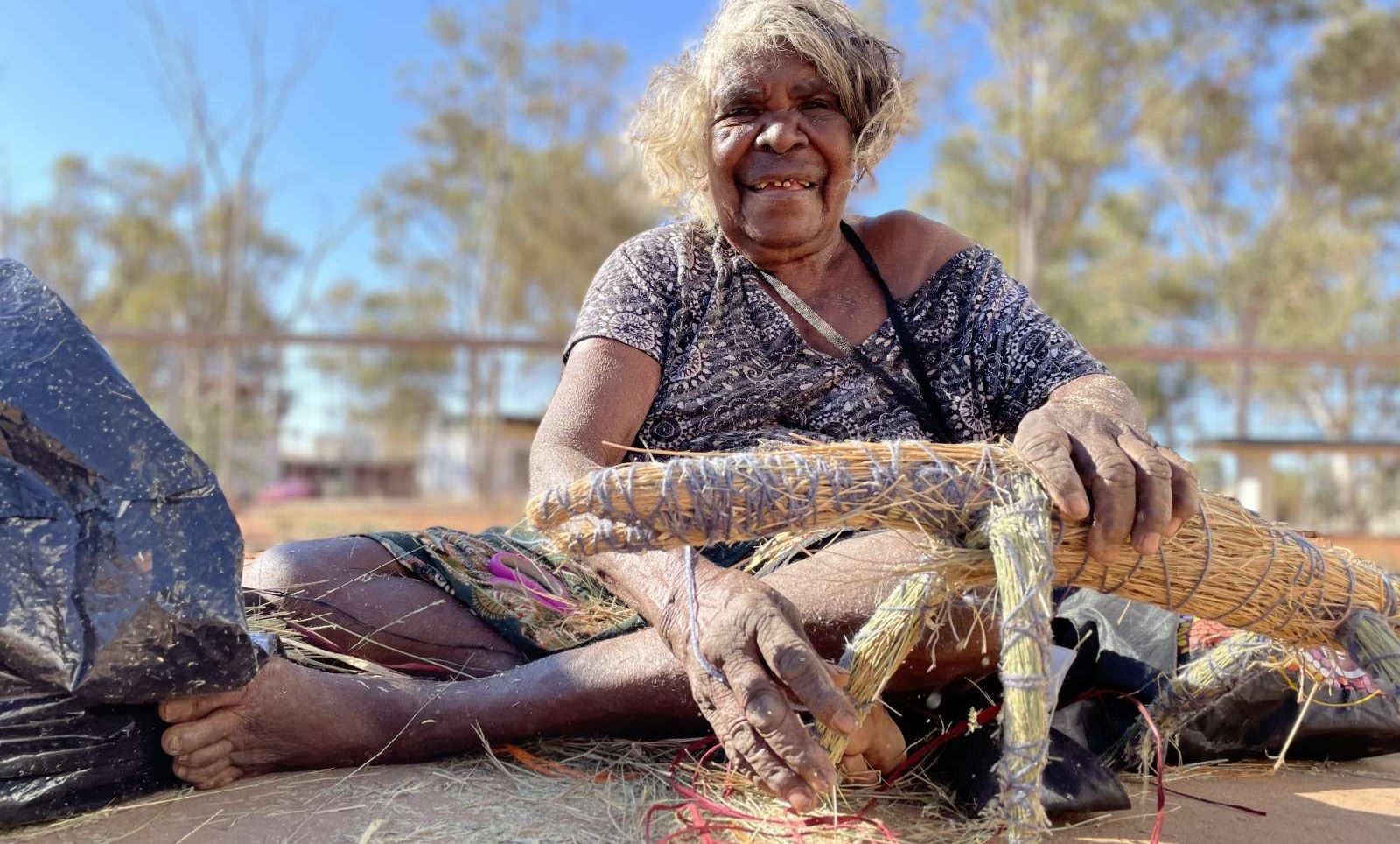
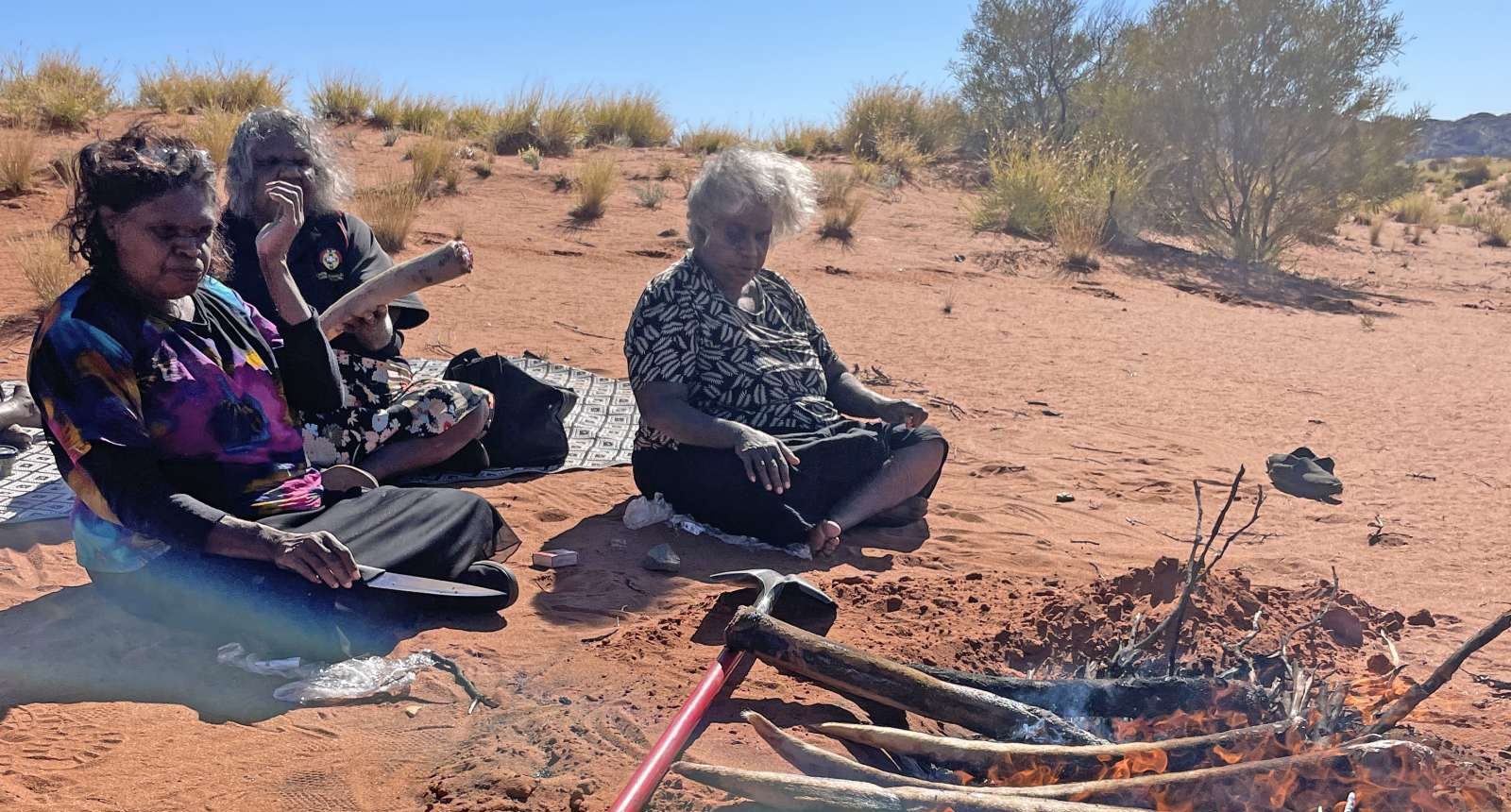
Tjanpi Desert Weavers is a social enterprise supporting and elevating fibre artists from the NPY lands. Many of our artists are older women who not only form the cultural backbone of Tjanpi but also require an increasing level of care.

Art centres like Tjanpi work hard to support elderly artists and their day-to-day health needs, whilst facing challenges such as:

  • Lack of formal recognition or resourcing in supporting older artists
  • High demands of care from elders and community
  • Poorly designed or inadequate infrastructure at art centres

The National Ageing Research Institute worked with Tjanpi Desert Weavers, Mangkaja Arts Resource Agency (Fitzroy Crossing) and Ikuntji Artists (Haasts Bluff) to conduct a research study to understand how three different art centres in remote locations support their older artists. The research study was funded by a Department of Health Dementia and Aged Care (DACS) Innovation grant from 2017-2021.


Key findings of the research include:

  • Art centres are considered a safe space, a place of healing and respite, and a place for everyone. They reduce stigma associated with dementia and functional decline; they promote a sense of belonging.
  • Art centres play an enormous role in delivering day-to-day care needs of older artists. They also facilitate social connection, spiritual and cognitive wellbeing.
  • Elders are at the foundation of the art centres.
  • Art Centres work hard to build and maintain relationships of trust and reciprocal models of care.
  • Older artists are the senior artists, role models and ‘superstars’.
  • The centres prioritise the role of Elders by creating a space where intergenerational connection, teaching and learning, and leaving a legacy are key drivers of their engagement.
  • They retain a local workforce and they are in an ideal position to notice physical and cognitive changes in older artists and work with them to promote social, emotional and cognitive wellbeing.
  • Elders are integral to the governance systems of art centres. Culture, Country, kin, language and storytelling are embedded into these systems and everything they do.
  • The centres are immersed in their Country’s context and the history of their community.
  • Many art centres are collaborating with aged care providers and have identified the potential to enhance these collaborations to better meet the needs of older artists and their families. This includes sharing infrastructure, organising joint trips to Country, sharing staffing and expertise across sites.

Tjanpi is currently advocating to government through the Royal Commission into Aged Care Quality and Safety and the recent Productivity Commission to share these keys findings. This research will also be shared through peer review journals such as the Australian Journal of Ageing.

You can learn more from the following audio visual resource.

https://www.nari.net.au/art-centres-supporting-elders-a-good-news-story
Learn more about Tjanpi Desert Weavers

Read more

"We don't understand" - Disability Information Not Working
Tjungu

"We don't understand" - Disability Information Not Working

Working to bring cross cultural understanding for disability information in remote communities

A lot of health and disability information sent to remote communities is written in English, uses terminology and have poor distribution channels. Generic disability information often fails to understand the context of remote community life and that prescribed services, examples and health directives are not available or easily undertaken in communities.

We have begun a disability Information Project, we want to know how to best make information people can understand and act upon.

Information is empowering, with good information you can make good decisions. We believe accessible information is key to creating an equitable, inclusive society.

The Tjunguku Information Project has started talking to communities about what disability information people found challenging and what they were interested in learning about. People were interested to learn about different disabilities like Foetal Alcohol Syndrome Disorder, acquired brain injuries, dementia. They wanted to know how to support people living with different mental health conditions and cognitive disabilities.

The Information Project aims to tailor key messages that raise awareness and understanding of different disabilities and where to find support in a way that is both accessible and understandable to remote community members.

Learn more about Tjungu Aged & Disability Services

Read more
Access to Education In Your Own Language and Culture is a UN Human Right
Youth

Access to Education In Your Own Language and Culture is a UN Human Right

The fight for two-way learning

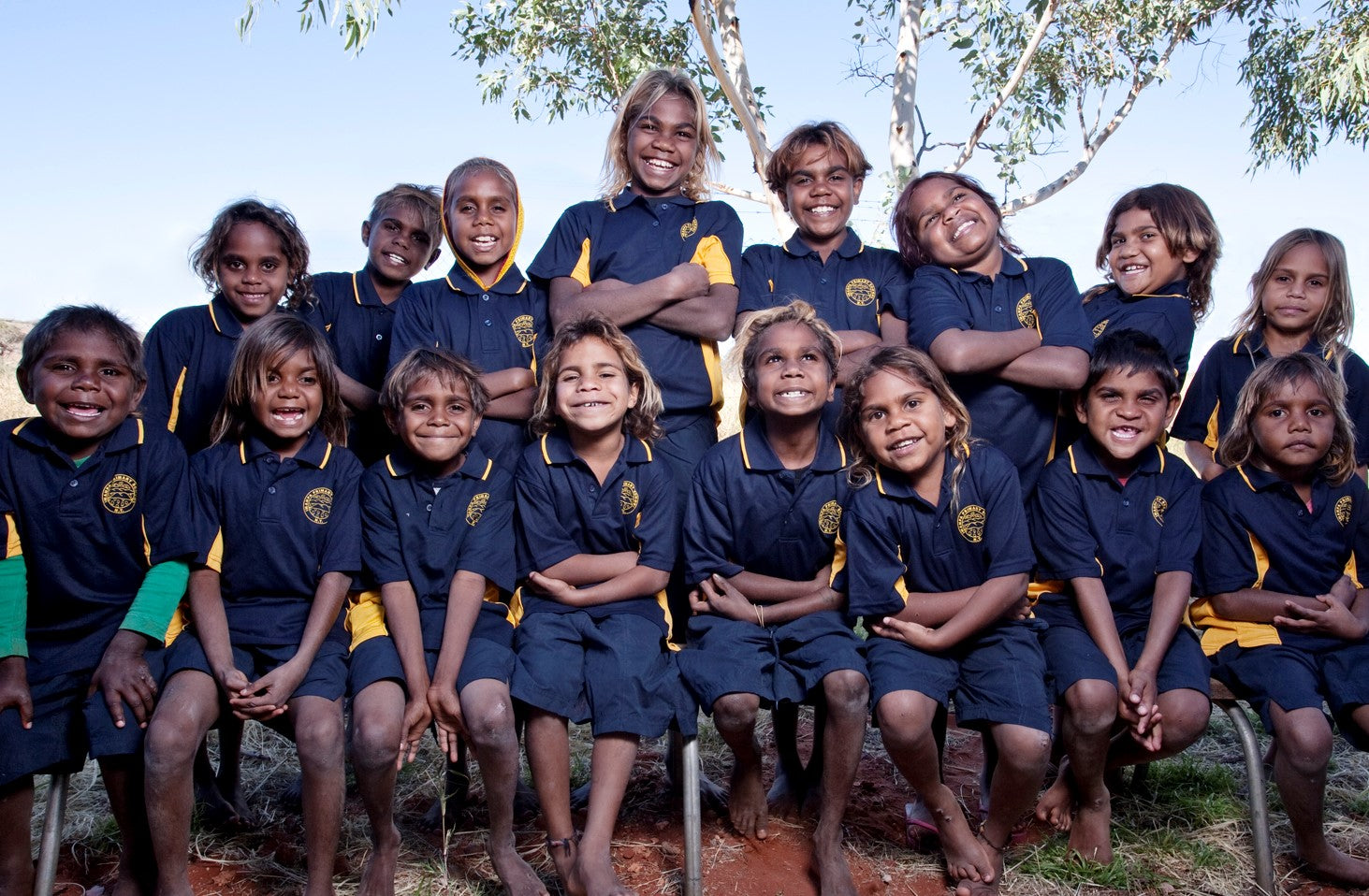
The world recognises that Anangu have rights to learn in in their first language, and the right to govern the education systems that their children and young people access. Our Directors and Members work tirelessly for a more culturally relevant curriculum, more Anangu teachers and seek input into how schools recruit in their communities.

“Education is the key. Young people can become leaders and teach other people. Young people need to respect the culture and ensure two-way learning. We need to keep two ways culture, don’t let it go because of education, you’ve got to still have your culture."
- Daisy Ward

It is vital that young people learn in their first language and that they can grow strong in both cultures.

Access to education is a human right: It is recognised in the United Nations Declaration of Human Rights – Article 26 – Everyone has the right to education and parents have a prior right to choose the kind of education that shall be given to their children. It is clear also, in the United Nations Declaration on the Rights of Indigenous Peoples that Indigenous peoples have the:

  • Rights to establish and control their educational systems and institutions
  • Right to access an education in their own culture and provided in their own language

Director, Maureen Baker, Director, Rene Kulitja & NPYWC Youth Service Manager, Christine Williamson at the AITSL Conference in Canberra

Anangu understand the importance of this declaration and the benefits it has to children and young people. Most importantly, it recognises the right to education in their own language, a right that was experienced by many senior Anangu in the NPY region during the 1970’s and 1980’s.

We are seeking a just and fair education system that supports their children and young people to grow up strong, to determine for themselves their pathway to a future that is filled with opportunity both in mainstream Australian society, and in Anangu society. We seek choice and support for keeping two-way learning strong.

We need more Anangu qualified teachers and make sure Anangu participate meaningfully in recruitment and appraisals of principals in their own communities.

Directors Rene Kulitja & Nyunmiti Burton in Canberra

We are working hard to actualise these priorities and rights. This includes working with the following partners:

  • Australian Institute for Teaching and School Leadership (AITSL) to review and recommend standards for ‘Indigenous cultural competency in the teaching workforce: National Dialogue’.
  • Department of Education, Skills and Employment to advocate for the above identified priorities and increased resourcing for boarding school support and place based initiatives designed and implemented by Aboriginal organisations and communities.
  • Indigenous Education and Boarding Australia – advocating boarding school students needs and provide recommendations on standards for boarding school that support Anangu students while away from their families
  • NPY Empowered Communities Secretariat (NPY EC) – working with NPY EC to identify transition from school to work pathways and better data sharing
  • Ngaanyatjarra Lands Schools – working with the schools to promote attendance and support student’s well-being.
  • Recent submission into the ‘Parliamentary Inquiry into Education in Remote and Complex Environments 2019 – 2020’.
  • Partnering with King & Wood Mallesons (KWM) to co-design an education and employment strategy for NPY Women’s Council.

Learn more about the NPYWC Youth Service

Read more