Skip to content

Your donation supports the voices and leadership of Aṉangu women across the Ngaanyatjarra, Pitjantjatjara and Yankunytjatjara Lands. NPY Women’s Council is an Aboriginal-led organisation created by women for women, focused on improving health, safety, culture and community wellbeing in remote Central Australia.

We appreciate any contribution you are able to offer.

Please fill out the form below to make a donation.

Cart

Your cart is empty

Donate

Article: Never Give Up

petrol sniffing aboriginal indigenous

Never Give Up

The words that still ring true for a youth service that emerged to fight to save young people from petrol sniffing

These petrol sniffers are our own flesh and blood, yet we have lost them all to petrol…They will live their lives in wheelchairs with acquired brain injuries. But for the new recruits, we are hoping that with Opal there will be no new recruits to petrol sniffing” Janet Inyika

Petrol sniffing brought a plague of brain injuries, violence and often death to remote NPY communities. Petrol sniffing destroyed families and devastated communities.

Almost from the beginning, NPYWC’s members sought help to combat this insidious and destructive habit, which seemed at the time beyond the control of families.

They became increasingly desperate to stop a practice killing and disabling their children and grandchildren. Government responses were sometimes piecemeal and short-term, seeking solutions from communities that they were incapable of providing.

NPYWC started a Youth Service in Kaltjiti (Fregon), APY lands in 1999 as a response to the petrol sniffing crisis. Members and Directors of NPY Women’s Council stood beside the service and fought tirelessly to have this epidemic dealt with. Leading the fight was NPYWC member Janet Inyika also known as Miss Never Give Up.

opal indigenous aboriginal inyika

Janet Inyika– a fierce opponent of petrol sniffing

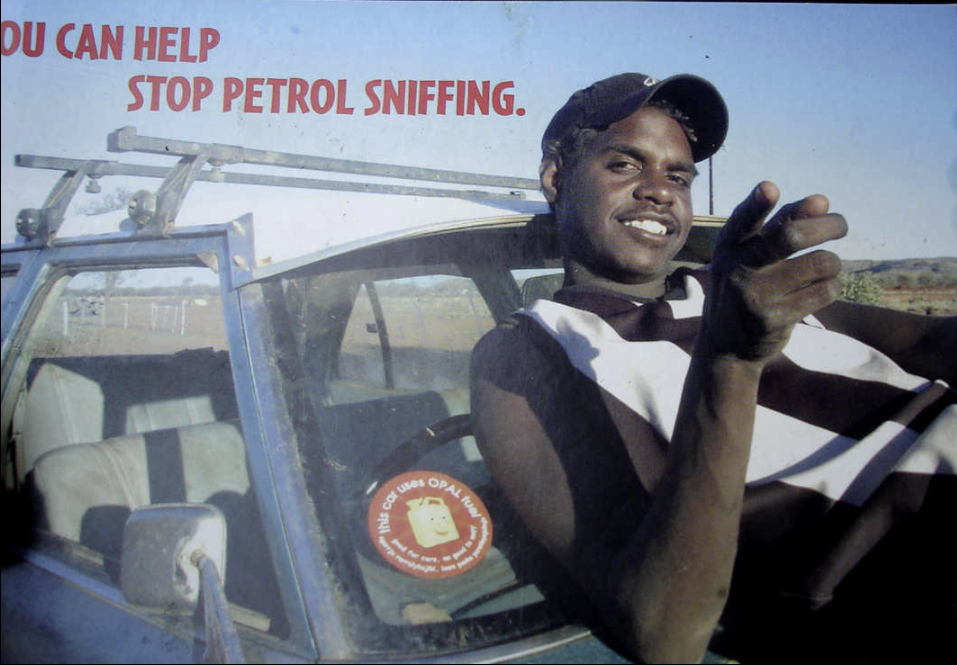
NPYWC, alongside CAYLUS and Voyages Resort (Yulara) formed the Opal Alliance in 2005. This lobbying body worked urgently to advocate for the roll out of Opal fuel, a low aromatic substitute with no intoxicating effect.

By the end of 2005 Opal fuel was rolled out in Yulara, some nearby communities and roadhouses (a few of whom were reluctant to take it up). By 2006, the Opal Alliance had lobbied Minister Abbott who agreed to subsidise the roll out of Opal into Alice Springs. By 2009, 120 communities and commercial outlets right across the NPY lands, from Kalgoorlie to Alice Springs had swapped to Opal fuel.
Find out more about the Youth Service

Read more

I was so proud that day!
Tjanpi Desert Weavers

I was so proud that day!

Winning hearts, prizes & income for remote artists

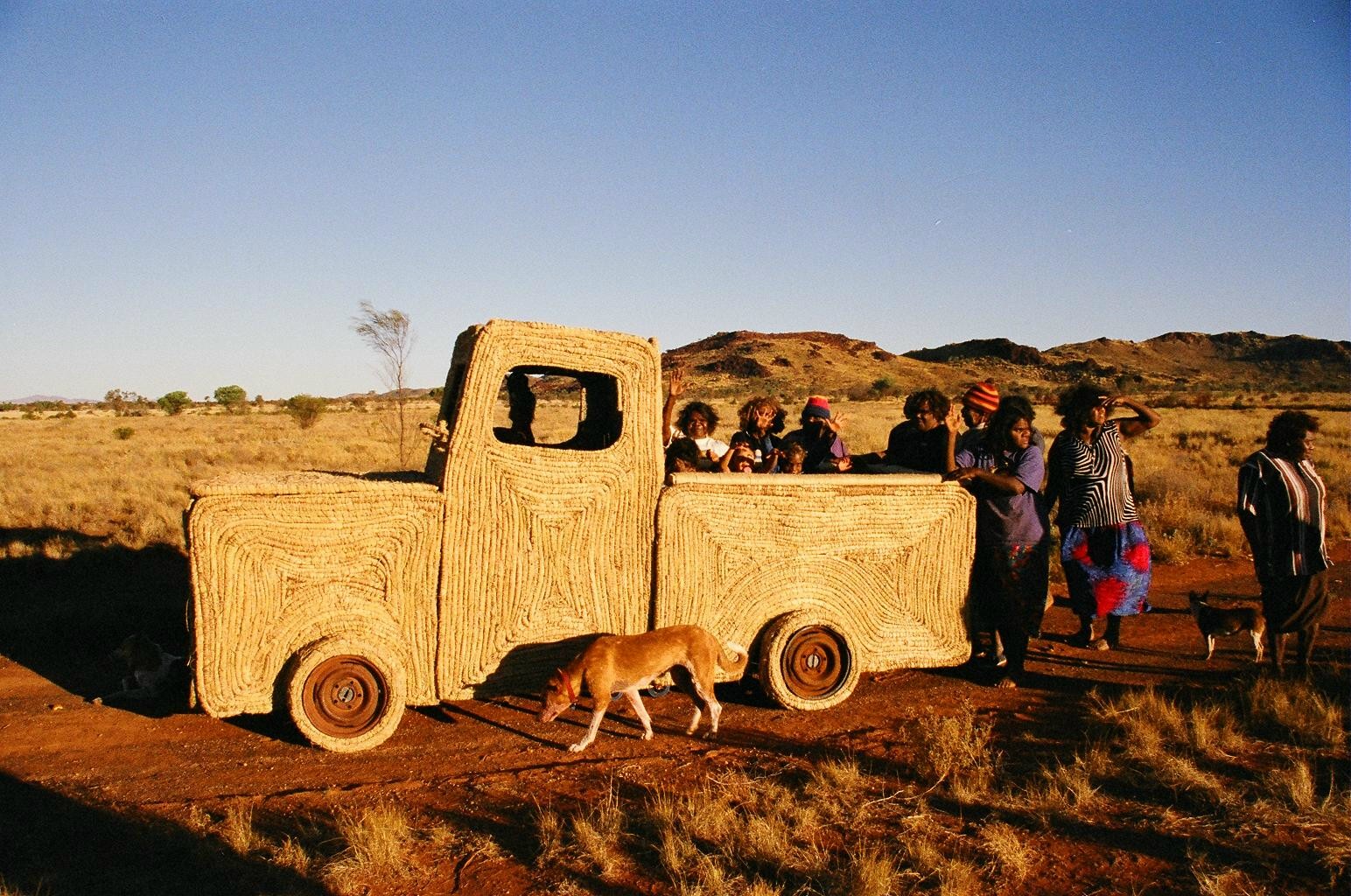
Made beside the Blackstone Ranges, the tjanpi Toyota drove itself all the way to Darwin where it came right at the top of the 2005 Telstra National Aboriginal and Torres Strait Islander Art Award. Mrs Benson (dec)

The Toyota celebrated the significance of peoples’ ability to travel big distances, to sustain customary practices like hunting, visiting relations and undertaking ceremonial responsibilities.
10 years earlier Tjanpi Desert Weavers had just begun with a series of fibre weaving workshops and the hope that that weaving could provide a “bread and butter” income for women in remote communities….

tjanpi aboriginal art

I was so proud that day! It was wonderful to be recognised and to be able to represent all the other weavers, especially the young ones who had helped. We had worked as a team and made group decisions. That’s what made it so enjoyable. It was a team effort. All the younger ones were very participatory ad has listened to our advice, and taken our suggestions on board. We enjoyed that part of it and that is what made the whole thing so special.’ – Mrs Benson (dec.)

Tjanpi Desert Weavers Women wanted meaningful and culturally appropriate employment on their homelands to better provide for their families – money saved from their work could provide meals, travel and vehicles of their own.

Building upon a long history of using natural fibres to make objects for ceremonial and daily use, women took quickly to coiled basketry and were soon sharing their new found skills with relatives and friends on neighbouring communities.

Now, in 2021 Tjanpi has provides income for over 400 Anangu women, it has exhibited and been acclaimed in public and private art institutions across Australia and the world.

tjanpi desert weavers aboriginal art

Rene Kulitja and some of the Tjanpi work featured in the Venice Biennale

Find out more about the TJanpi Desert Weavers

Read more
Mental health support & awareness needed outbush
Ngangkari Traditional Healers

Mental health support & awareness needed outbush

How Anangu are leading vital mental health programs for young men

People living in the NPY Lands have very limited access to mental health support. The APY lands currently has one mental health nurse and the Ngaanyatjarra lands has a visiting mental health support every 6 weeks.

Senior Anangu talk about the lack and need of mental health support for young people in the NPY region. They recognize many factors resulting in the poor mental health of some young people in remote communities, this includes intergenerational trauma, poverty and lack of opportunities.

Ngangkari (traditional healers) have looked after people’s physical and emotional health for thousands of years. We support ngangkari to care for mental health within their communities, valuing both western and traditional mental health practices.

Uti Kulintjaku Watiku is just one of our mental health initiatives. Led by senior Anangu men for young men, it focuses on increasing mental health understanding and preventing family violence. Often struggling for funding, these vital programs are at risk.

Members of the Uti Kulintjaku Watiku team in SA

Improving mental health & preventing family violence

Uti Kulintjaku Watiku is a ground breaking men’s group consisting of senior Anangu men and young men from the NPY region who come together to prevent family violence and support young men’s wellbeing in remote communities.

The program is based on learning reciprocity between senior men and health professionals. Senior men then conduct workshops in community, act as role models and help to spread mental health messages at a grass root level.

The project applies the Uti Kulintjaku Iwara way of working that places culture first and strengthens intergenerational relationships.

Senior men talk about the lack of and need for mental health support for young people in the NPY region. They recognize many factors resulting in the poor mental health of some young people in remote communities, this includes intergenerational trauma, poverty and lack of opportunities.

The team members highlight the need for more support to facilitate intergenerational healing camps on the lands. These camps provide safe therapeutic spaces where young men can more effectively listen and learn without distraction and be immersed in Anangu culture, knowledge and practice.

As one of the senior Watiku member said: “Taking the young men out camping to get them out of community for a couple days… when they go camping, they get healed”.

Younger men have spoken about how being on Country with the senior men strengthens their spirit and helps them to manage their anxiety, depression and anger.

By taking those important steps and facilitating those healing camps, the Watiku team members have contributed to improving the wellbeing and mental health of many young men by increasing their sense of connection, role modelling positive behaviours and teaching cultural knowledge.

Learn more about the NPYWC Ngangkari program

Read more