
Skip to content

Your donation supports the voices and leadership of Aṉangu women across the Ngaanyatjarra, Pitjantjatjara and Yankunytjatjara Lands. NPY Women’s Council is an Aboriginal-led organisation created by women for women, focused on improving health, safety, culture and community wellbeing in remote Central Australia.

We appreciate any contribution you are able to offer.

Please fill out the form below to make a donation.

Cart

Your cart is empty

Donate

Article: Ending violence from the ground up

domestic violence anangu aboriginal

Ending violence from the ground up

Ending violence in the community will occur when it is supported and championed by an individual and/or group who will act to lead the change. These are community advocates who are interspersed in the community itself. They are from the community and are positioned as leaders. There must be specific strategies aimed at building their capacity, confidence and skills to influence the hearts and minds of the community.’

Strengthening Community Capacity to End Violence Framework (2018)<1>:

The NPYWC Domestic & Family Violence Service (DFVS) Women’s Advisory Group has met throughout 2021 in communities across the NPY Lands. The group includes DFVS workers, Anangu women and DV practitioners working together to deepen their knowledge on DV issues such as trauma and safe ways to work with women experiencing DV. The group shares stories of strength and explore how communities are showing resistance to violence.

indigenous aboriginal A<span style=

The group will work alongside the DFVS advising on strategies and the best ways to work with women experiencing DV. Their input will offer the best chance for developing effective responses and pathways.

We are all women here… getting stronger – WAG member
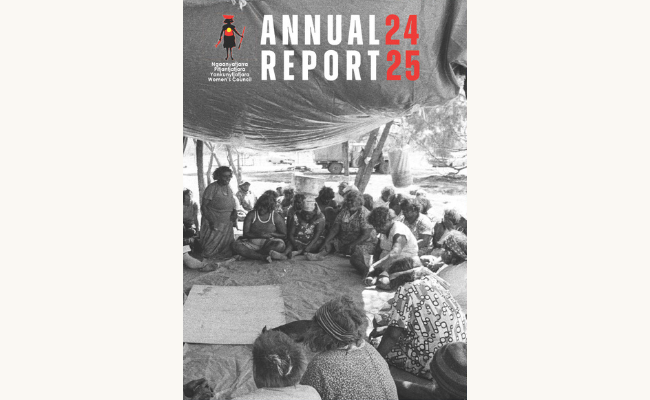
Read: Strengthening Community Capacity to End Violence

Find our more about our Domestic & Family Violence Service

Read more

Deep understanding grows big support
Tjungu

Deep understanding grows big support

Since 1993 NPY Women’s Council has been working on the ground to support & advocate for the aged and people with disability in remote communities.

This deep understanding of local issues and needs has seen NPYWC’s Tjungu – Aged & Disability Service as a trusted place to seek support, care, respite and services.

NPY Women’s Council has worked with the National Disability Insurance Scheme (NDIS) for 8 years to advocate for the needs of people with disability and their families in remote communities.

Language barriers, a lack of services on the ground and transient living situations may mean that remote communities need a different model of support for accessing basic care available in urban centres.

Through our Support Coordination service, NPYWC is able to provide greater choice and control for remote clients who now have a lot more say on how and where they receive support such as:

– Respite

– Transport

– Allied Health services

– Participating in community activities

NPYWC’s understanding of the region and issues experienced by older people have led them to become subcontracted to provide home support assessments in our remote APY & NT communities and to people in Alice Springs.

These assessments are aimed at providing the supports needed to assist older people to live in their own homes for as long as possible with help as required for things like meals, shopping and keeping their houses and yards clean.

The Alice Springs service provides an additional income stream for NPYWC while providing expertise and much needed services on the ground.

Find out more about the Tjungu Aged & Disability Service

Read more
Powerful ideas to create relevant schools
Youth

Powerful ideas to create relevant schools

NPYWC Directors Nyunmiti Burton, Rene Kulitja & Maureen Baker have all worked within the education system, Nyunmiti is a qualified teacher. The Directors have a very clear idea on important initiatives to increase Anangu engagement with the school system.

The National Dialogue 21 Conference, presented by the Australian Institute for Teaching & School Leadership (ATSL) – was designed to set out standards to improve Indigenous cultural competency in the Australian teaching workforce. Hear what our Directors had to say:

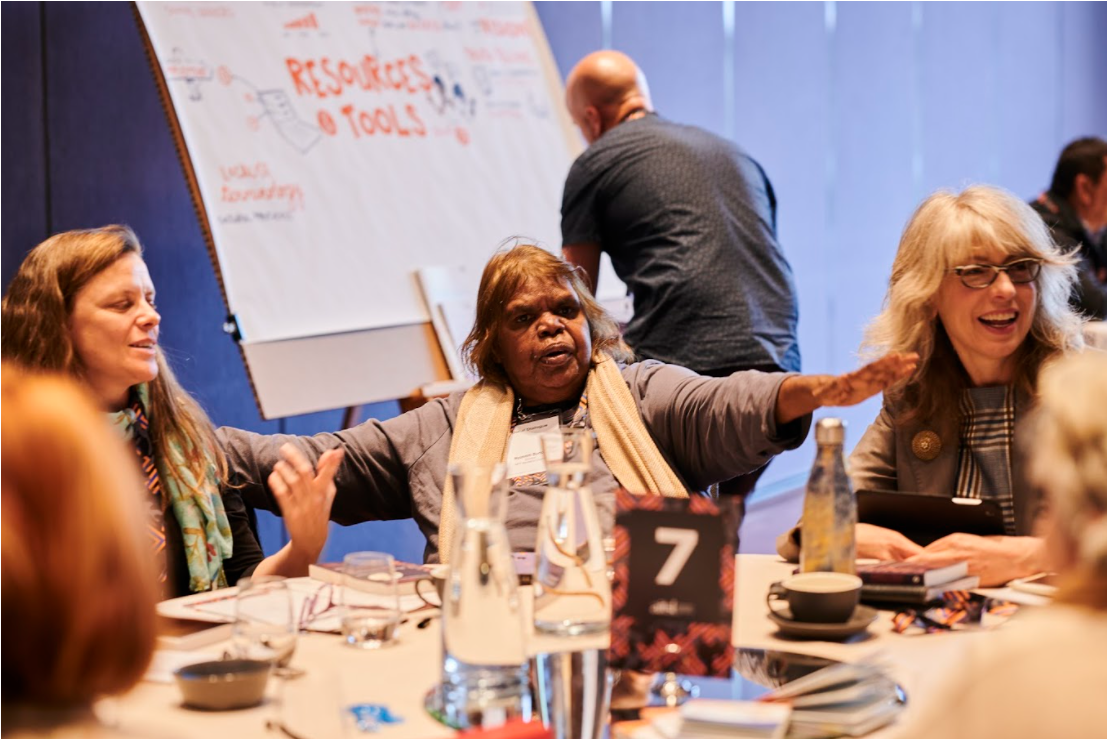
Maureen, Rene, Christine & Nyunmiti at the National Dialogue 21 Conference

Anangu Teachers

Anangu need to be given the chance to lead the classroom. It is not enough to have Anangu in support roles. Anangu teachers are a vital piece of the puzzle in supporting students across language and cultural barriers, understanding the strengths and capacities of individual children. They stand as respected and known members of the child’s community. They know, and can teach bilingual learning.

Curriculum and learning styles

Curriculum needs to be contextually relevant. Providing opportunity for children and young people to learn on country and in the classroom. “Our kids need to learn in their first language and then in English. Then they will be good in Pitjantjatjara and English. Then they can live well in both worlds”, Nyunmiti Burton.

Community Engagement

Key community members want to influence the recruitment and appraisal of key staff such as principals and teachers. They can also care for and educate teachers in the ways of Anangu culture, history and respectful ways to connect with the community, which have a direct benefit for the children and young people.

“Our old people already paved the way forward. When we support Anangu children and young people, everyone benefits”. Rene Kulitja.

Images: courtesy of Australian Institute for Teaching and School Leadership

Find out about the NPYWC Youth Service

Read more