
Article: Uti Kulintjaku Celebrates Mental Health Month: Real Voices, Real Change
Uti Kulintjaku Celebrates Mental Health Month: Real Voices, Real Change
This October is National Mental Health Month, with World Mental Health Day on 10 October asking us to consider the theme "Lived Experiences Heard: Real Voices, Real Change."
Uti Kulintjaku, which translates from Pitjantjatjara as "to listen, think and understand clearly", was born in 2012 out of a need to find a common language for, and understanding of, mental health between two vastly different cultures and ways of knowing.
Through years of workshops, the Uti Kulintjaku women, including elders, Ngangkari, artists and community leaders, and western mental health experts have come together to share cultural knowledge, contemporary lived experience and western perspectives to find new ways to talk about and understand mental health.
From this work, Uti Kulintjaku has developed many multilingual resources for communities, including Words for Feelings posters and cards, meditations, stories, animations, films and virtual reality tools. These resources support Anangu-led conversations about social and emotional wellbeing and create culturally meaningful ways to discuss feelings, healing and mental health.
This Mental Health Month, Uti Kulintjaku is celebrating with the release of three new meditations and a range of community outreach activities, including visits to local schools and Alice Springs Correctional Centre. Through this work, the team hopes to share these resources and understandings more broadly within the community while expanding opportunities for intergenerational listening, thinking and understanding clearly from the perspective of Anangu.
Knowledge Sharing and Healing
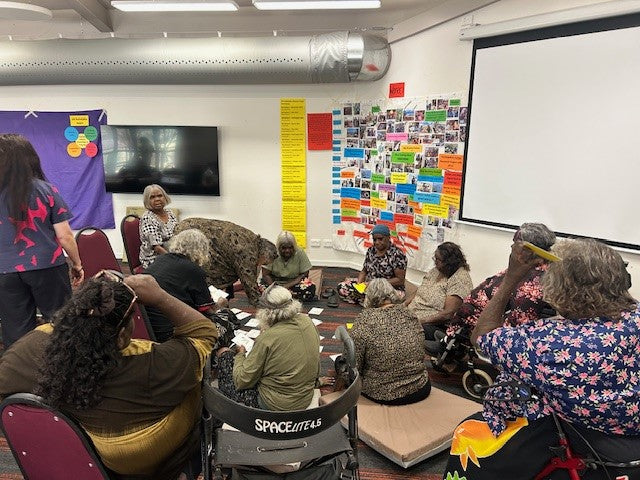
To kick off Mental Health Month, twelve Uti Kulintjaku members travelled to Mparntwe (Alice Springs) from communities across the Northern Territory, Western Australia and South Australia for three days of evaluation and reflective workshops.
The workshops focus on evaluating work completed throughout 2026 and setting goals for continued knowledge sharing with communities, families and NPY Women's Council partners in 2027. The women are also reflecting on the foundations that initially supported them to speak up strongly and work together to discuss collective and individual trauma, healing and knowledge sharing around mental health, Anangu way.

Pictured: Uti Kulintjaku members following the directions of the Body Scan Meditation.
Sharing Resources with Schools
“Meditations in schools are important. When Anangu speak up- kids listen”
– Uti Kulintjaku group member.
During the first week of October, Uti Kulintjaku women visited two independent First Nations schools in Mparntwe (Alice Springs), Yipirinya School and Yirara College. These schools are attended by First Nations students from remote communities, town camps, Mparntwe (Alice Springs) and other regional centres, many of whom come from multilingual backgrounds.
The visit to Yipirinya School focused on classroom visits where our meditation resources for children were shared in language. This includes our rainbow meditation for the younger pupils and a body scan meditation for older pupils. Senior Anangu women spoke to students of Yipirinya about how important it is to clear the mind and learn from Elders, and Uti Kulintjaku stories and animations about mental health and wellbeing were also shared.
The visit to Yirara College focused on staff, building their capacity as educators of young First Nations students. The women shared the tools and resources developed by the program, including meditations, stories, books, short films, and posters, centring intergenerational healing through education and in-language learning resources for young First Nations students.
Continuing Connections at Alice Springs Correctional Centre
The Uti Kulintjaku women and Ngangkari have a long history of visiting inmates at Alice Springs Correctional Centre as part of the Kungkas Stopping Violence Program and Elders Visiting Program.
During these visits, the women share tjukurpa (stories), prayer, song and meditations, while Ngangkari provide traditional healing to inmates. As part of Mental Health Month, the women will visit the correctional centre to focus on listening to the stories of inmates and sharing stories of healing and hope in partnership with NAAJA. A later visit will explore Anangu-led ways to increase the frequency of visits and broaden awareness of Uti Kulintjaku's work, particularly its meditation writing.
Launching New Resources
The Uti Kulintjaku Minyma team is excited to launch three new meditations this Mental Health Month. The accompanying illustrations in the videos were created by Uti Kulintjaku group members and reflect how the meditations make them feel.
Body Scan Meditation (English and Pitjantjatjara)
“Trauma is real for tjitji and Anangu. It’s serious. Trauma is everywhere. When I meditate and do body scan it keeps me happy. My eyes open and spirit open"
- Uti Kulintjaku group member
"Top of the Hill" Meditation (English and Pitjantjatjara)
“We sitting and talking about trauma through tjukurpa - in a circle.”
- Uti Kulintjaku group member.
Meditation for Children
“In the early days we grew up with the clear thinking. At daybreak we heard the birds singing nice harmony songs - that’s what we picked up in our early days.”
– Uti Kulintjaku group member.
These meditations build on Uti Kulintjaku's growing collection of wellbeing resources and can be accessed via the Uti Kulintjaku Keyring launched last month. This keyring features a QR code acting as a doorway into the growing collection of Ngangkari and Uti Kulintjaku digital resources - including animations, meditations, videos and the digital Words for Feelings poster.
By sharing language, stories, cultural knowledge and lived experience, Uti Kulintjaku continues to create spaces for stronger understanding of mental health, helping communities to listen, think and understand clearly together.
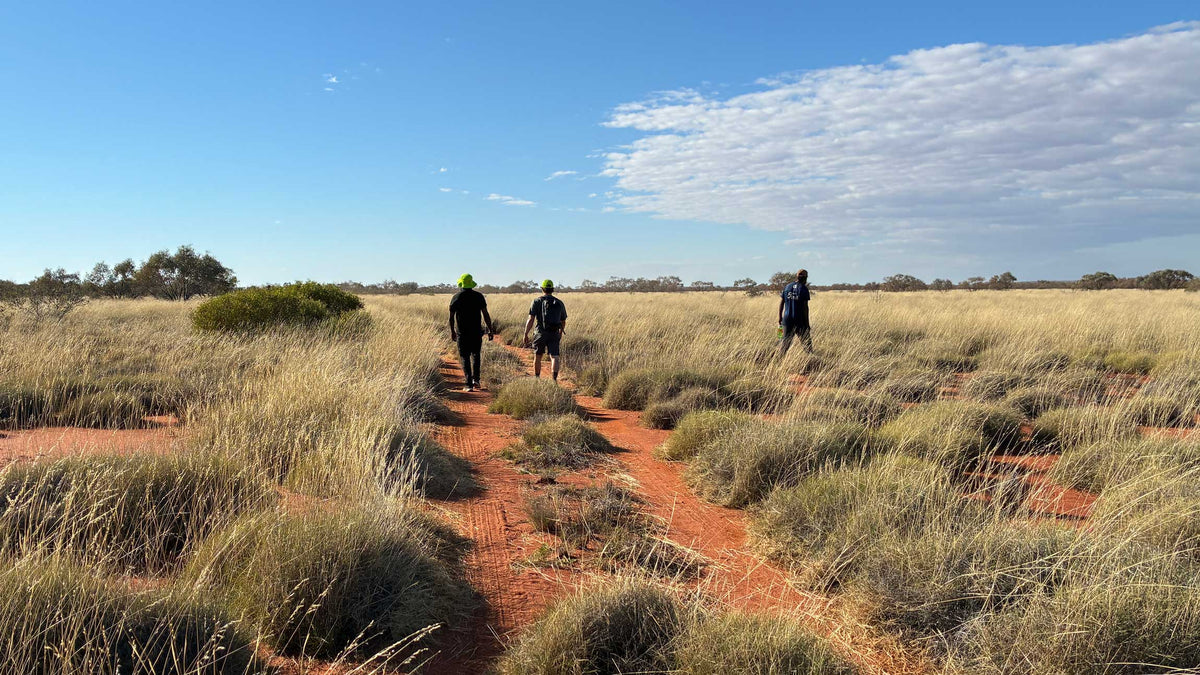
 Pictured: Elders Peter Mitchell and Ernest Bennett showing wati the map.


